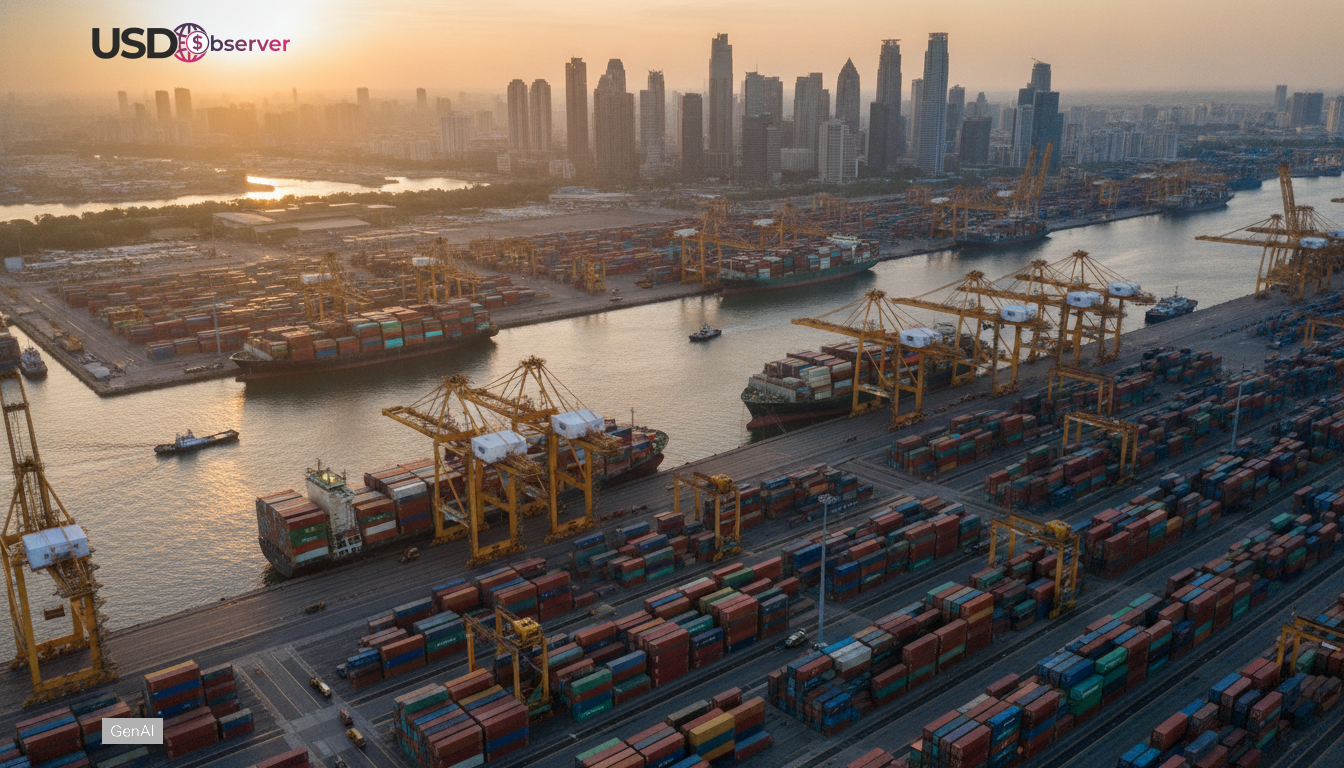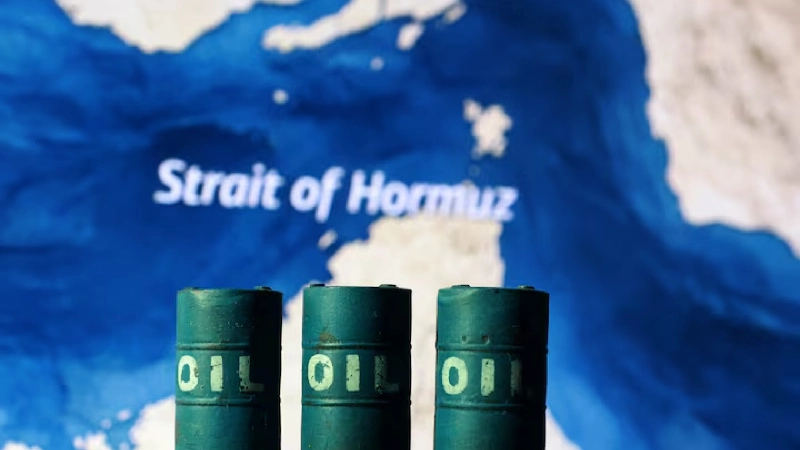
The United States is closely monitoring efforts to ensure safe passage for oil tankers through the Strait of Hormuz, a critical global shipping route that has come under pressure amid the ongoing Iran conflict. The narrow waterway handles a significant portion of global oil exports, making any disruption a major concern for energy markets and inflation trends worldwide. Officials indicated that while movements are being tracked carefully, there is no clear timeline for when normal shipping operations will fully resume, adding to uncertainty across commodity and currency markets.
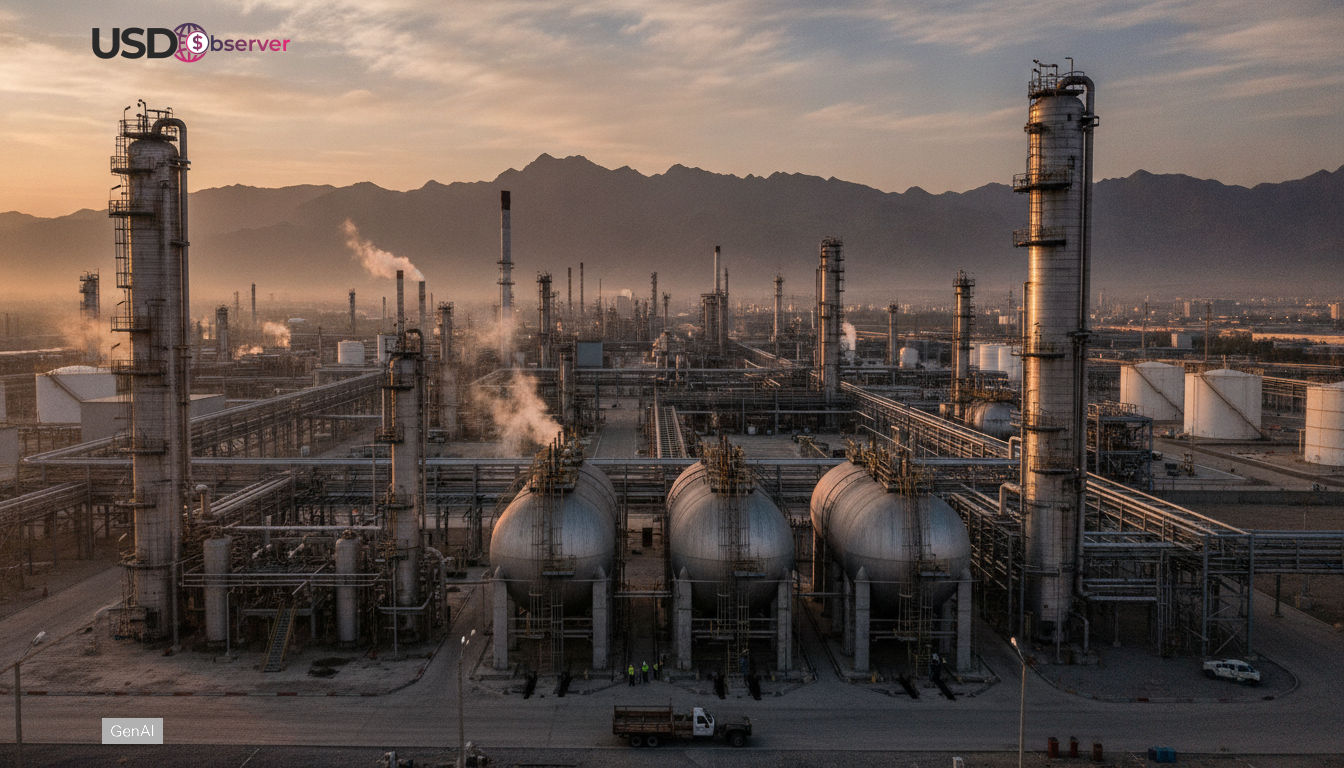
The situation has heightened investor sensitivity to supply chain risks, as even partial disruptions in the Strait can tighten global oil availability and push prices higher. Recent volatility in crude markets reflects these concerns, with price swings influencing broader economic expectations, including inflation and interest rate outlooks. Although officials expressed confidence that fuel prices could ease once tensions subside, markets remain cautious as the conflict continues to affect shipping routes and energy flows. The lack of clarity on safe transit conditions is keeping traders alert to potential sudden shifts in supply dynamics.
Energy markets are particularly focused on how quickly tanker traffic can normalize, as delays or restrictions could have immediate consequences for global fuel availability. Higher oil prices tend to feed directly into transportation and manufacturing costs, contributing to broader inflation pressures that central banks must manage. This has already complicated monetary policy expectations, with investors reassessing interest rate paths in response to sustained energy volatility. The situation underscores how geopolitical developments in key regions can rapidly influence both commodity pricing and macroeconomic policy decisions.
The U.S. administration has pointed to domestic energy production as a key factor in stabilizing fuel prices over time, suggesting that increased output could help offset supply disruptions linked to the conflict. However, analysts note that global oil markets remain interconnected, meaning that instability in major transit routes like the Strait of Hormuz can still have widespread effects regardless of domestic production levels. The interplay between supply security and global demand continues to shape market sentiment, particularly as governments seek to balance energy affordability with strategic priorities.
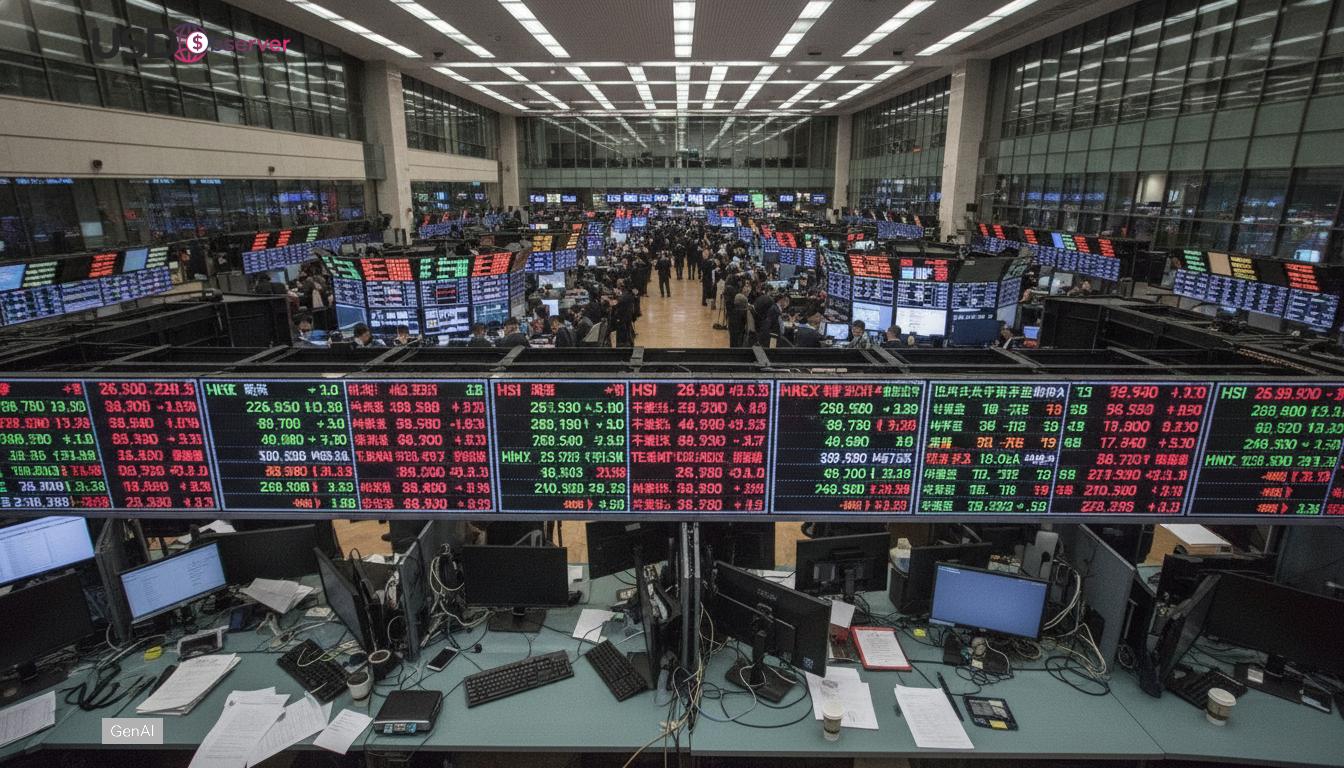
Currency markets are also reacting to the evolving situation, with the U.S. dollar maintaining relative strength as investors seek stability amid geopolitical uncertainty. The dollar’s position as a safe haven asset has been reinforced by ongoing risks in energy markets, while global investors remain focused on how disruptions could impact trade flows and economic growth. As monitoring efforts continue and policymakers assess potential responses, the stability of tanker routes through the Strait of Hormuz remains a central factor influencing global markets in the near term.