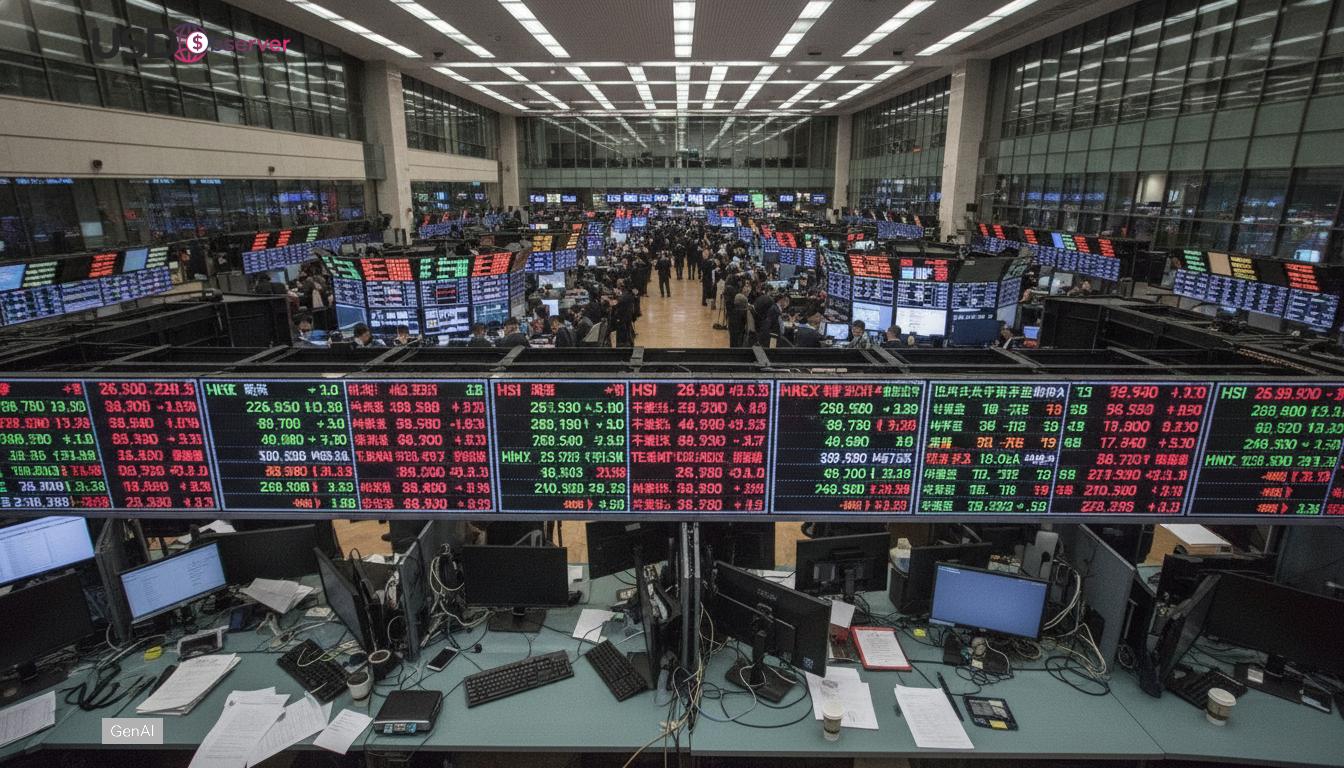
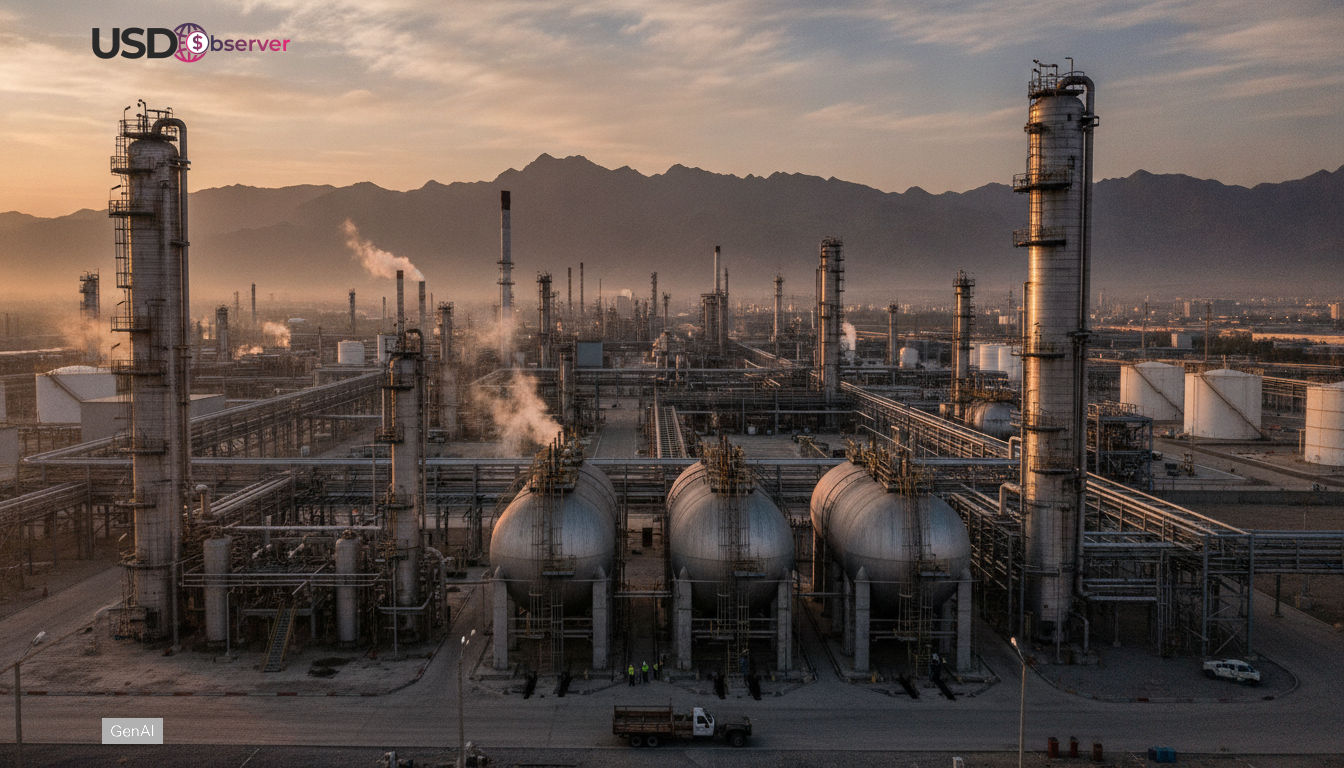
Global rate markets are rapidly repricing expectations in response to the energy shock triggered by the Iran conflict, with investors aggressively shifting toward a higher interest rate outlook. The sudden surge in oil and gas prices has intensified inflation concerns, prompting traders to abandon earlier expectations of monetary easing. In the United States, markets now lean toward the possibility of rate hikes rather than cuts, while similar shifts are emerging across Europe. The scale and speed of this adjustment have raised questions among analysts about whether markets may have overreacted to near term inflation risks.
The magnitude of the shift is particularly visible in European markets, where expectations have swung dramatically within weeks. In the United Kingdom, rate futures have moved from pricing in two cuts by year end to signaling multiple hikes, representing a swing of more than 100 basis points. Euro area markets have also shifted, now anticipating tightening from the European Central Bank after previously expecting stable rates. These rapid changes reflect heightened sensitivity to energy driven inflation, but also underline the uncertainty surrounding how long the current shock will persist.
Despite the shift, some economists argue that the current market positioning may not fully account for broader economic conditions. Unlike previous crises, global interest rates are already elevated, reducing the need for aggressive tightening. Additionally, the inflation surge is being driven primarily by supply side disruptions rather than demand expansion. This distinction is critical, as supply shocks tend to have a temporary impact on prices while exerting longer term pressure on economic growth. As a result, tightening policy too aggressively could risk slowing already fragile economies.
Recent economic data supports the view that growth is beginning to weaken, even as inflation concerns dominate market sentiment. Indicators of business activity in the United States and Europe have shown a slowdown, suggesting that higher energy costs are weighing on output and demand. Analysts warn that central banks may face a difficult trade off between controlling inflation and supporting growth, particularly if unemployment begins to rise. Historical precedents show that tightening policy during energy price spikes has often led to policy missteps, adding to the complexity of the current situation.
The broader implications extend into currency markets, where the U.S. dollar has remained relatively steady amid shifting expectations for interest rates and global risk conditions. Fiscal policy also remains a factor, as governments increase spending on energy and defense, though not at the scale seen during the pandemic. Some major financial institutions continue to forecast rate cuts later in the year, arguing that the inflation shock will be short lived while growth risks deepen. As markets continue to adjust, the balance between inflation control and economic stability is expected to remain the central focus for policymakers and investors.