Iran has informed international authorities that vessels deemed non hostile may continue to transit the Strait of Hormuz under strict coordination, offering limited reassurance to global markets amid ongoing disruptions to one of the world’s most critical energy routes. The communication to the United Nations comes as the conflict in the Middle East continues to restrict the flow of oil and liquefied natural gas through the strategic waterway, raising concerns about prolonged supply constraints and elevated energy prices.
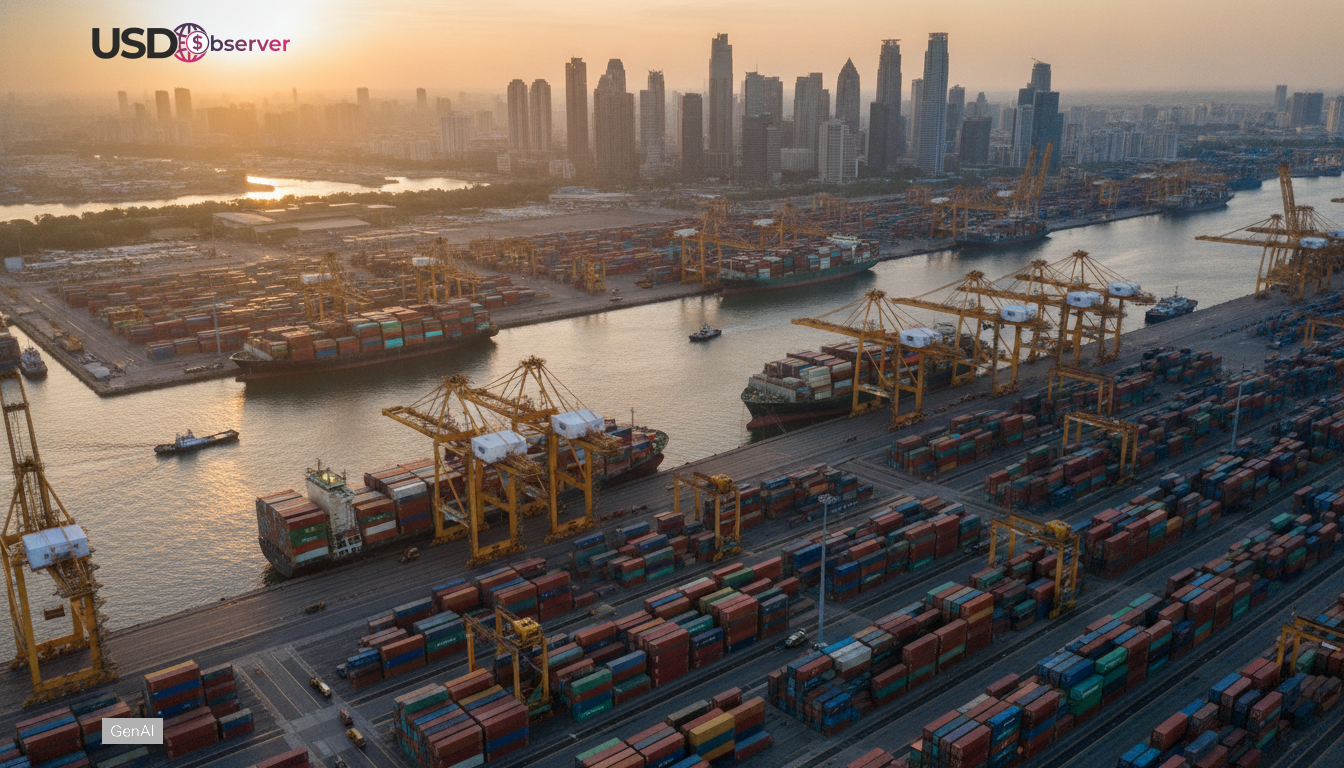
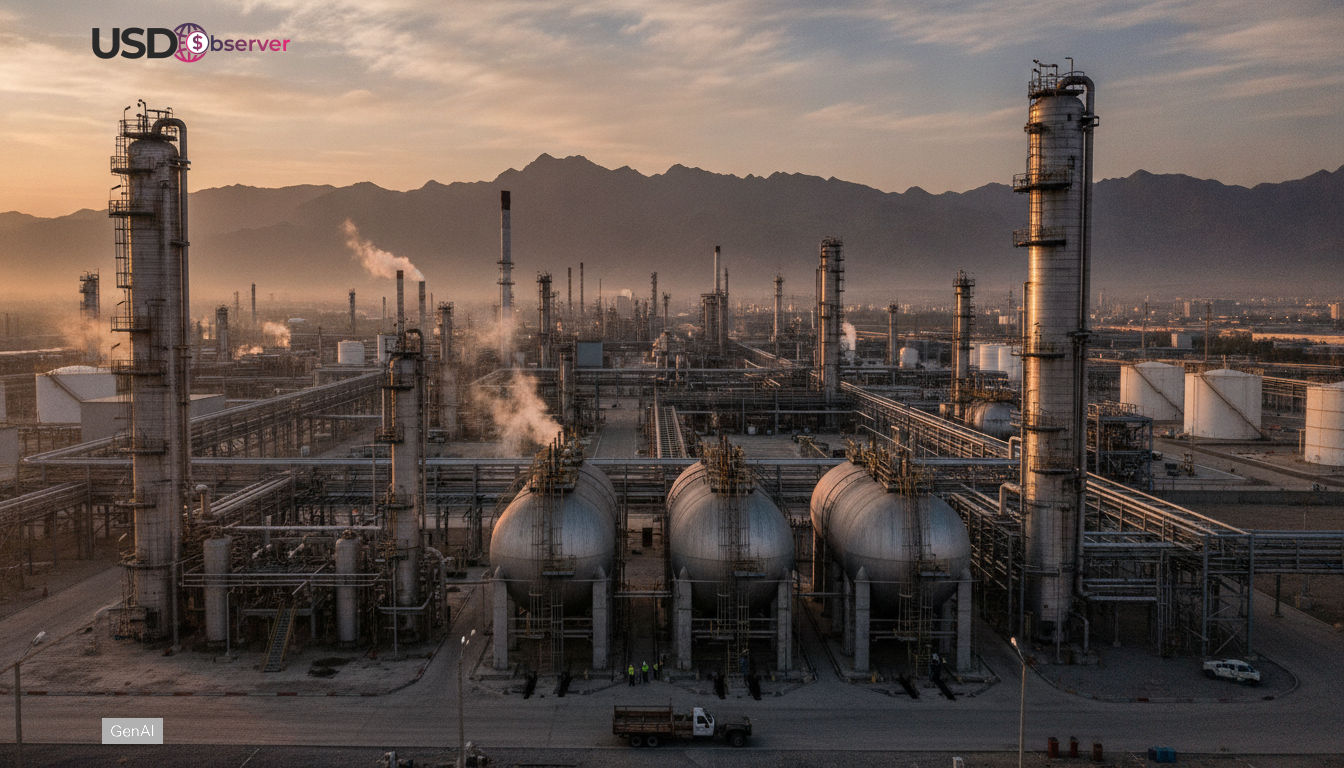
The Strait of Hormuz is a key chokepoint for global energy trade, handling a significant share of the world’s oil and gas shipments. Recent tensions have severely reduced traffic through the passage, intensifying fears of supply shortages and driving crude prices higher. Iran’s statement suggests that while access is not fully blocked, it is now conditional, with vessels required to comply with specific safety and regulatory measures set by Iranian authorities to ensure secure passage.
According to the communication, ships that are not involved in or supportive of hostile actions against Iran may qualify for safe transit if they adhere to established guidelines. However, vessels associated with countries or entities engaged in military operations against Iran are excluded from this provision. This distinction highlights the geopolitical complexity surrounding the route, as access to one of the world’s most vital energy corridors becomes increasingly tied to diplomatic and military alignments.
The disruption in shipping has already had a significant impact on global markets, particularly in the energy sector, where supply concerns are fueling volatility. With a large portion of global oil and gas flows affected, the situation has heightened inflation risks and added pressure on economies dependent on energy imports. Market participants are closely monitoring developments in the region, as any further escalation could deepen supply disruptions and amplify price movements across commodities.
International organizations responsible for maritime safety and coordination have circulated the Iranian communication among member states, reflecting the urgency of the situation. The evolving conditions in the Strait of Hormuz are forcing shipping operators and governments to reassess routes, risk exposure, and contingency plans. The ability to maintain partial transit under defined conditions may provide some stability, but uncertainty remains high.
As geopolitical tensions continue to shape global trade flows, the status of the Strait of Hormuz remains a central concern for investors and policymakers alike. The conditional access framework introduced by Iran underscores the fragile balance between maintaining critical energy supply chains and navigating escalating conflict dynamics. Markets are expected to remain highly sensitive to any further developments affecting this strategic maritime corridor.