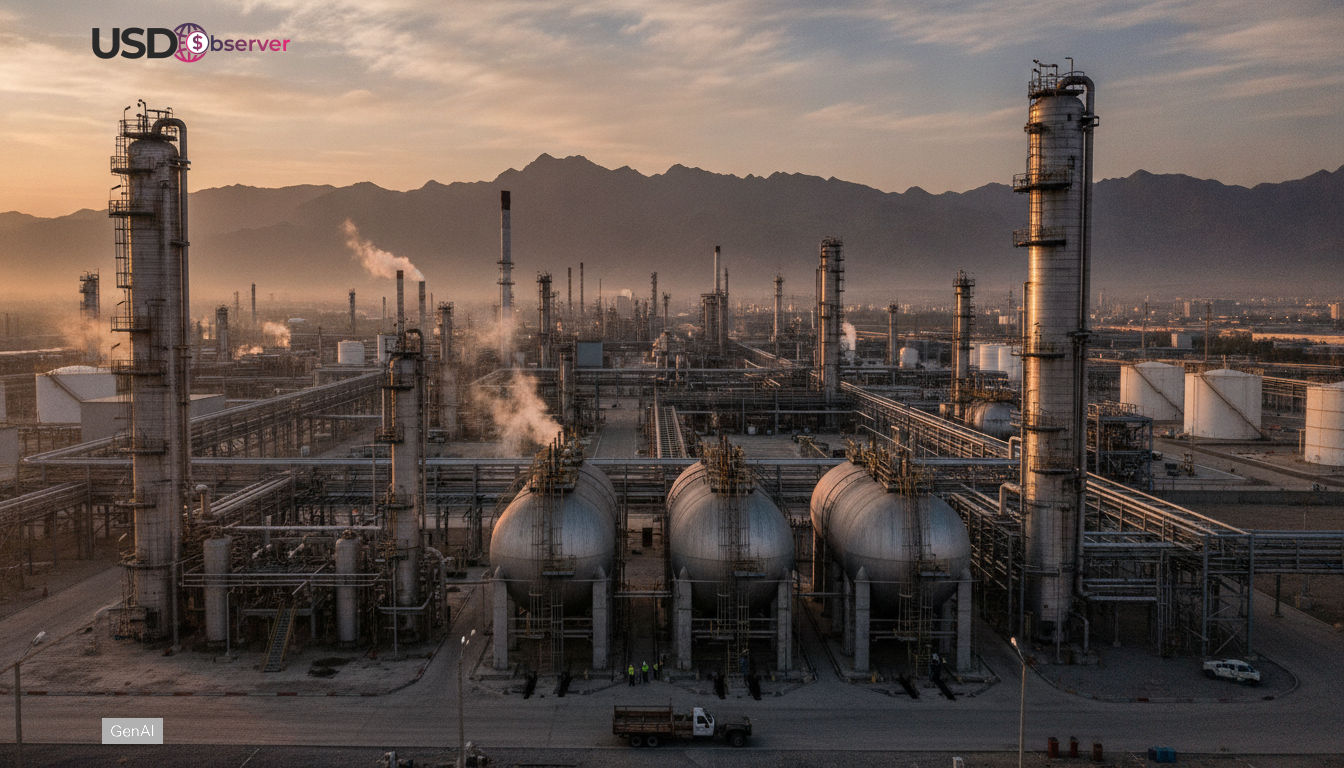
U.S. crude oil futures climbed sharply in early Asian trading as markets reacted to renewed uncertainty around Middle East tensions, after Iran denied holding talks with the United States. The move reversed part of the previous session’s steep losses, reflecting how sensitive energy markets remain to geopolitical signals. West Texas Intermediate rose more than 1 dollar to trade near 89 dollars per barrel, as traders reassessed supply risks linked to the region. The rebound highlights ongoing volatility in oil markets where conflicting narratives can rapidly shift investor sentiment and price direction within hours.
The price increase came after Iran publicly rejected claims of negotiations, contradicting earlier signals that had eased fears of immediate escalation. That earlier optimism had driven a sharp drop in oil prices as markets priced in reduced risk to energy infrastructure. However, the denial quickly reintroduced uncertainty, prompting traders to rebuild positions. The contract had fallen to a session low near 84 dollars in the previous trading cycle, making the rebound significant as markets attempted to stabilize around new expectations for supply disruption risk and geopolitical escalation.
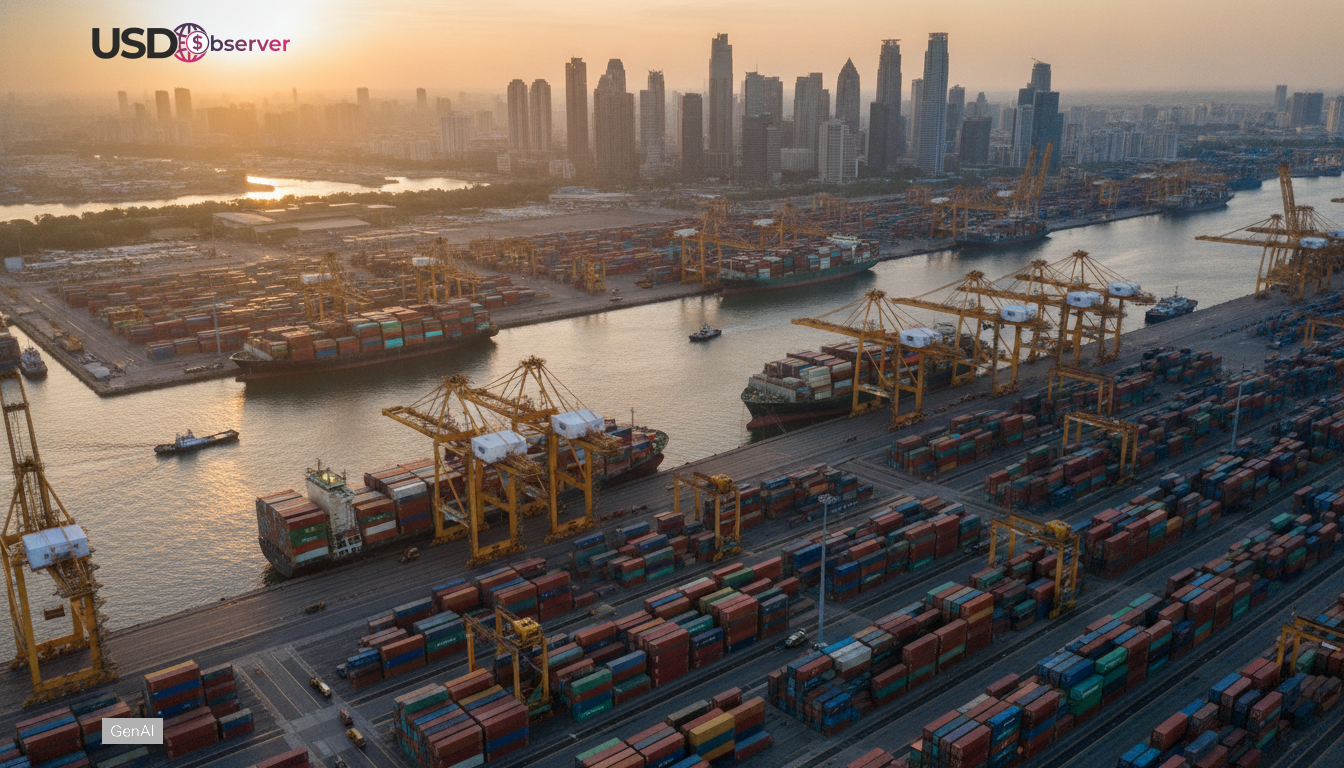
Energy analysts say the market is now operating in a highly reactive environment where each headline can trigger sharp price swings. The Middle East remains central to global oil supply, and even small shifts in perceived risk can influence pricing. Supply routes, particularly those linked to major shipping corridors, are under constant scrutiny. As uncertainty grows, traders are increasingly factoring in both immediate disruption risks and longer term geopolitical dynamics that could affect production levels, transport costs, and global energy flows.
Market participants note that oil price movements are closely tied to broader macroeconomic conditions, including inflation expectations and central bank policy outlooks. Rising oil prices tend to increase input costs across economies, influencing transportation, manufacturing, and consumer spending. Recent volatility has already complicated monetary policy decisions, as central banks attempt to balance inflation control with economic growth. The renewed rise in crude prices could add further pressure, especially if geopolitical tensions persist or escalate in the coming days.
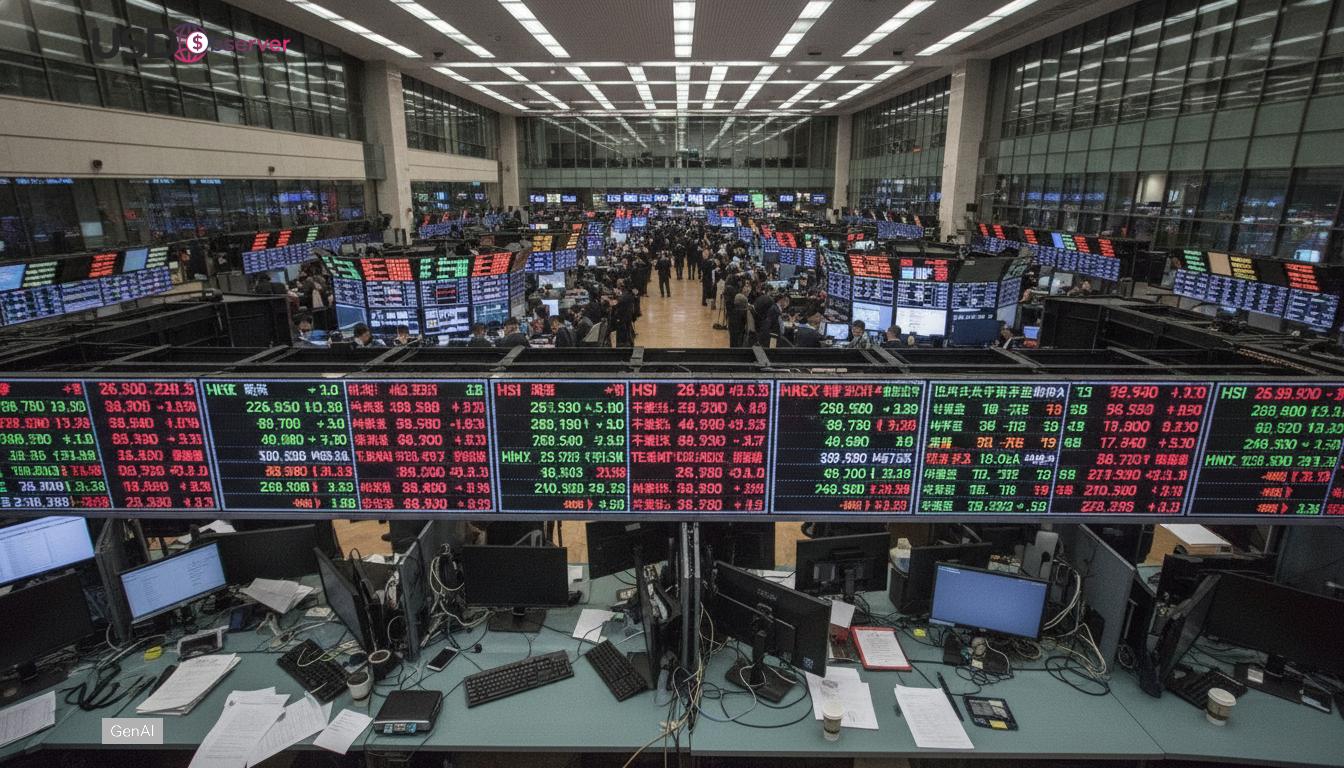
The broader financial landscape reflects similar sensitivity, with currency and bond markets adjusting alongside energy prices. During periods of rising geopolitical risk, investors often shift toward safe haven assets, though recent movements suggest a more complex environment. The U.S. dollar has shown mixed reactions, while bond yields remain responsive to inflation expectations tied to energy costs. Investors are increasingly monitoring how sustained oil volatility could impact borrowing costs, fiscal balances, and global trade flows, particularly for energy importing economies.
In recent weeks, the conflict linked to Iran has driven repeated swings across commodities and financial markets, reinforcing the role of geopolitics in shaping economic expectations. Analysts warn that continued uncertainty could lead to prolonged volatility, with oil markets acting as a primary transmission channel to the wider economy. The relationship between energy prices and inflation remains a key concern, as sustained increases could slow growth while tightening financial conditions across multiple regions.
Latest trading suggests that investors remain cautious, with oil prices stabilizing above recent lows but still subject to rapid shifts. Traders are closely watching official statements and any confirmation of diplomatic or military developments. The current market environment reflects a fragile balance between easing fears and renewed risk, with oil prices likely to remain volatile as new information emerges and market participants adjust positions accordingly.