Oil prices climbed to their highest settlement levels since mid 2022 as escalating conflict in the Middle East triggered fresh supply disruptions and intensified fears across global energy markets. Brent crude settled above 112 dollars per barrel, while US crude approached 100 dollars, reflecting a sharp reaction to both geopolitical escalation and physical supply risks. The surge comes as attacks on energy infrastructure and rising military activity across the region continue to threaten one of the most critical oil producing corridors in the world, pushing markets into a heightened state of volatility.
A major trigger for the latest price jump was Iraq’s declaration of force majeure on several oilfields operated by foreign companies, signaling potential output interruptions at a time when global supply is already under pressure. At the same time, military developments including increased US troop deployments and continued strikes across the region have added to concerns about prolonged instability. Analysts say the combination of operational disruptions and escalating conflict is forcing markets to price in a longer period of reduced supply, particularly as expectations for a quick resolution continue to fade.
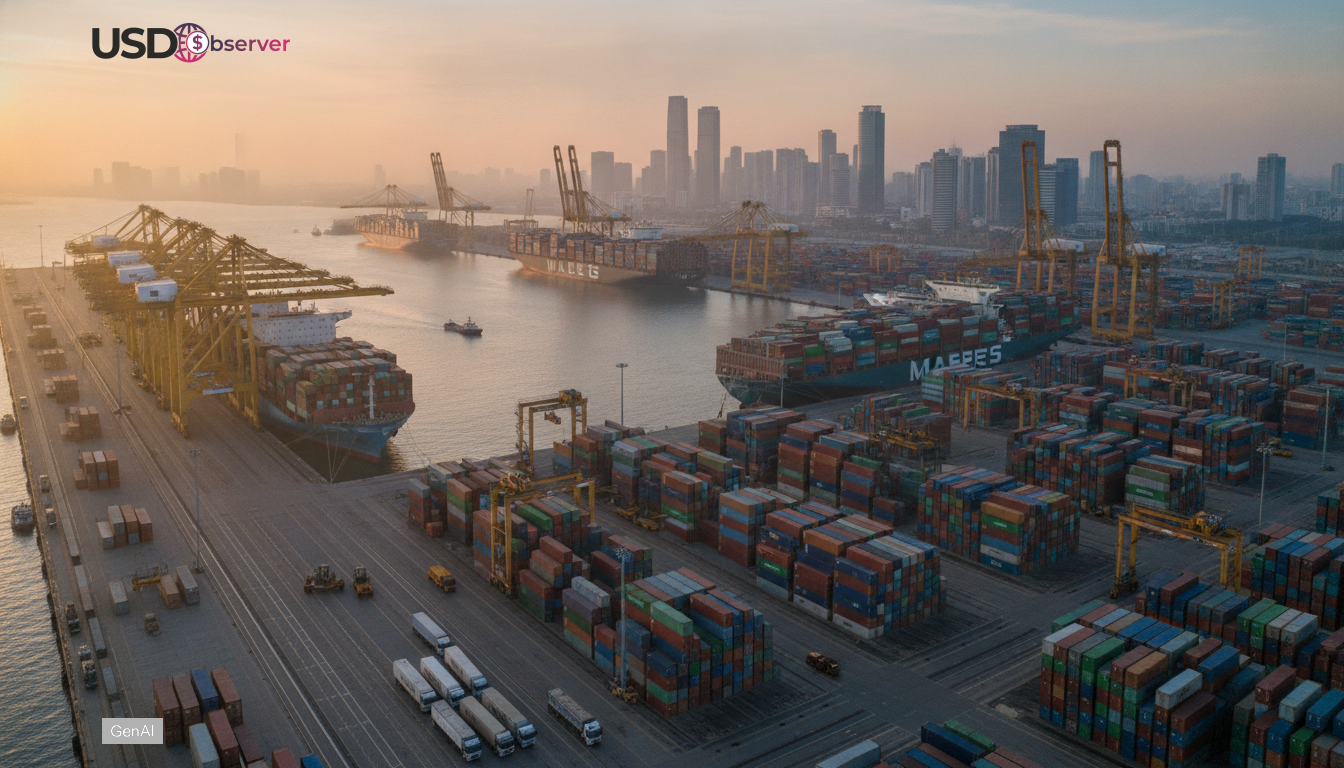
The Strait of Hormuz remains central to the current market dynamics, with around one fifth of global oil and liquefied natural gas passing through the narrow waterway. Disruptions or restrictions in this route are having an outsized impact on pricing, as traders anticipate delays and potential blockages in energy shipments. Market participants are increasingly factoring in scenarios where supply constraints persist for weeks or even months, creating a structural shift in price expectations. The longer the disruption continues, the greater the risk of sustained upward pressure on global energy costs.
Energy strategists warn that damage to production infrastructure and supply chains may not be quickly reversible, even if geopolitical tensions begin to ease. Some estimates suggest that restoring full oil and gas flows from the region could take several months, depending on the extent of the disruption. This outlook is reinforcing bullish sentiment in oil markets, with prices reacting not only to immediate supply losses but also to the uncertainty surrounding recovery timelines and future production stability.
Government responses are also shaping market expectations, with policymakers exploring options to stabilize supply. Discussions around releasing additional oil from strategic reserves and easing restrictions on certain cargoes are being considered as short term measures to offset disruptions. However, analysts caution that such interventions may provide only temporary relief if underlying geopolitical risks remain unresolved. The market continues to respond more strongly to developments on the ground than to policy signals.
Beyond the Middle East, global energy dynamics are being influenced by parallel disruptions, including attacks on infrastructure in other regions and fluctuations in production levels. These overlapping pressures are tightening supply conditions and contributing to broader commodity volatility. As oil prices rise, the effects are spreading across the global economy, increasing costs for transportation, manufacturing and consumer goods while adding to inflationary pressures already present in many economies.
In the near term, oil markets are expected to remain highly sensitive to geopolitical developments, particularly any changes in the status of key supply routes. Traders and policymakers alike are closely monitoring the situation, aware that sustained disruptions could reshape global energy balances and economic outlooks. With uncertainty remaining elevated, the trajectory of oil prices will continue to be driven by both physical supply conditions and evolving geopolitical risks.