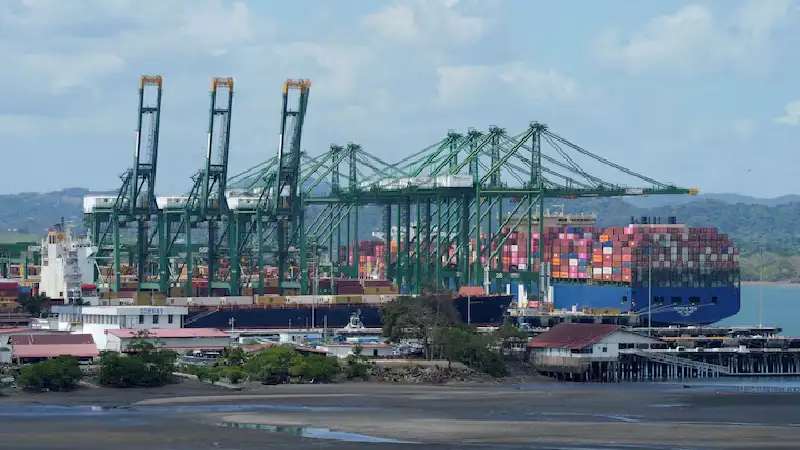
Crude shipments from the U.S. Gulf Coast are increasingly moving to Asia via the Panama Canal as the ongoing U.S.-Israeli conflict with Iran disrupts traditional trade flows and raises transportation costs. Asian refiners are opting for medium-sized tankers despite higher per-barrel shipping expenses, prioritizing speed and reliability amid a scramble for alternative oil sources. The route provides a faster transit compared with the longer journey around the Cape of Good Hope, allowing refiners to maintain supply in a volatile market environment shaped by geopolitical tensions.
Recent shipments include the Greece-flagged Aframax vessel Sea Turtle, which crossed the canal en route to South Korea, marking the first such delivery since September 2022. Additional Suezmax tankers, partially loaded due to canal size restrictions, are also heading to South Korea and Japan from the Gulf Coast. The utilization of these vessels demonstrates Asian refiners’ willingness to absorb higher costs to secure crude supplies, underscoring the urgency created by regional instability and the disruption of Middle Eastern exports.
The Panama Canal’s capacity constraints had previously limited the frequency of such shipments, particularly during the severe droughts of 2023 and 2024, which forced passage restrictions and increased transit fees. While these restrictions have been lifted and tariffs reduced, fully loaded large crude carriers typically bypass the canal due to size limits, favoring more cost-efficient routes across the Atlantic and around Africa. The current geopolitical context, however, has reversed this preference as time-sensitive deliveries take priority over per-barrel costs.
The U.S. government has also taken measures to ease supply disruptions, including a 60-day waiver of the Jones Act, allowing foreign-flagged vessels to move fuel and other goods between U.S. ports. This policy is expected to further increase Panama Canal traffic as foreign vessels transit to the U.S. Gulf Coast to load oil or fuel for domestic and international delivery. Coordination between policy actions and private shipping operations is helping to mitigate immediate supply challenges while maintaining energy flows to Asia and the U.S. West Coast.
Industry analysts note that the current surge in Panama Canal shipments reflects both market adaptability and the broader impact of the Iran conflict on global energy logistics. Companies are responding dynamically to maintain supply continuity despite rising geopolitical risk and elevated costs. With crude demand remaining robust in Asia, refiners are focused on securing deliveries efficiently, demonstrating how infrastructure and policy measures intersect with global energy market pressures.