Introduction
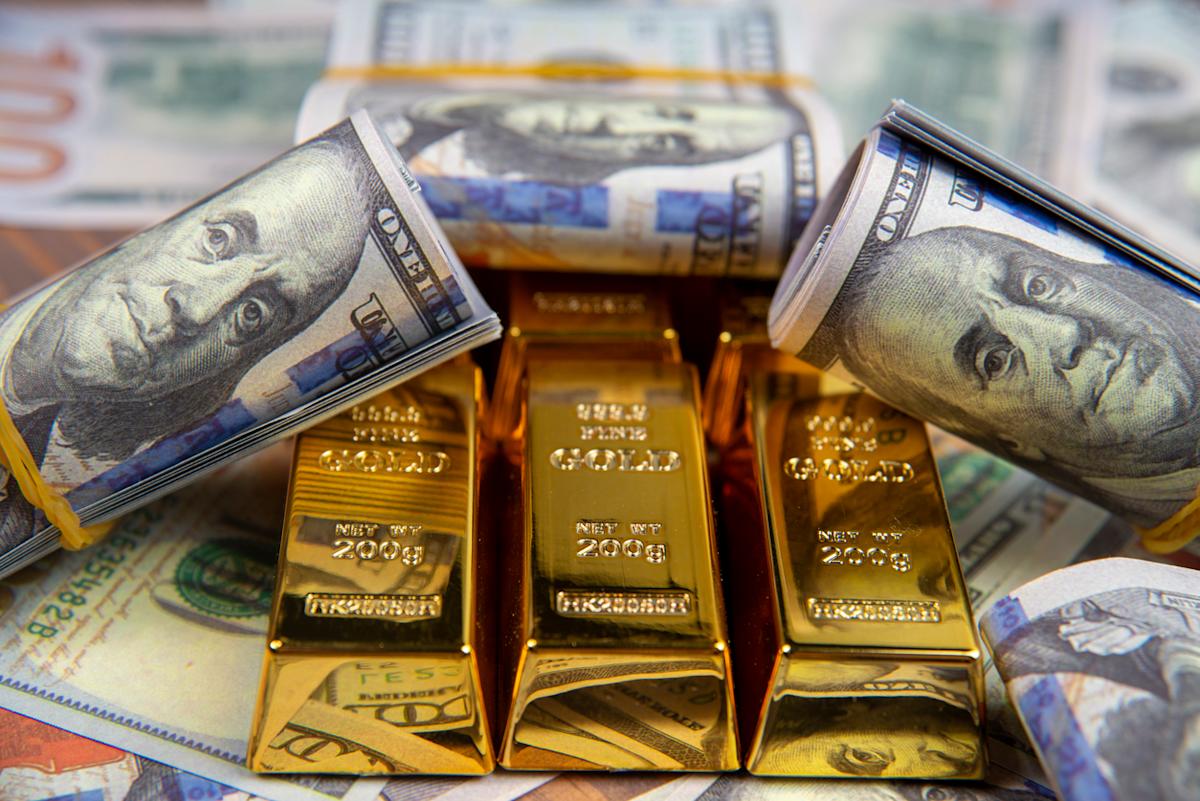
Gold has always held a special place in global financial markets — as a store of value, a hedge against inflation, and a safe-haven asset during times of turmoil. Yet, its relationship with the U.S. dollar (USD) remains one of the most defining factors in determining price direction. Whenever the dollar strengthens, gold often faces downward pressure. For traders, central banks, and portfolio managers, understanding this inverse relationship is crucial to navigating commodity and currency markets.
The Inverse Relationship Between USD and Gold
Gold is priced globally in U.S. dollars. When the dollar gains strength, it makes gold more expensive in local currency terms for non-U.S. buyers, reducing demand. Conversely, a weaker dollar lowers the cost of gold for international buyers, fueling demand and pushing prices higher.
Historically, this inverse correlation has held true across multiple economic cycles. For instance, during periods of strong U.S. interest rates and dollar appreciation, gold prices typically decline. In contrast, when the dollar weakens — often due to dovish monetary policy — gold tends to rally.
Role of U.S. Monetary Policy
The Federal Reserve’s policy decisions sit at the heart of this dynamic. Higher interest rates not only strengthen the dollar by attracting foreign capital into U.S. assets but also increase the opportunity cost of holding non-yielding assets like gold. Investors would rather earn returns on U.S. Treasuries than hold bullion, leading to outflows from gold markets.
The 2022–2023 cycle is a recent example. Aggressive rate hikes by the Fed pushed the dollar to multi-decade highs, and gold prices came under pressure, dropping from above $2,050 per ounce to near $1,600 at one point.
Safe Haven Tug of War
Despite the inverse correlation, the relationship is not always straightforward. Both gold and the dollar are considered safe havens during crises. In times of global uncertainty — whether due to wars, sanctions, or financial market stress — both assets can rally simultaneously.
For example, at the height of the COVID-19 pandemic in early 2020, gold surged past $2,000 an ounce while the dollar also spiked as investors rushed to safety. This dual rally showed that risk aversion can override traditional correlations.
Impact on Global Buyers and Central Banks
A strong dollar not only affects retail demand but also influences central bank gold purchases. Countries with weaker local currencies face higher costs in accumulating reserves. Emerging economies, which have been steadily increasing gold holdings to diversify away from the dollar, often scale back purchases when the greenback strengthens.
Moreover, jewelry demand — particularly from major markets like India and China — tends to fall when local currency depreciation combines with high global gold prices. This double effect can suppress physical demand even further.
Traders’ Perspective
For forex and commodities traders, monitoring dollar strength is critical when making gold calls. The Dollar Index (DXY), which measures the USD against a basket of currencies, serves as a leading indicator for bullion moves. A rising DXY usually signals potential downside for gold.
Technical strategies often involve pairing gold positions with dollar movements, while macro traders track U.S. yields, inflation expectations, and geopolitical risks to anticipate turning points in the relationship.
Conclusion
The dollar’s strength remains one of the most consistent headwinds for gold prices. While both assets play roles as global hedges, the mechanics of pricing, interest rates, and capital flows make their inverse relationship a persistent theme in financial markets. For investors, the key lesson is clear: gold rarely shines when the dollar is at its strongest. Only in moments of heightened crisis does the safe-haven effect blur this connection.
As long as the Federal Reserve maintains a firm stance on policy and the dollar holds its dominance in global finance, gold will continue to face pressure whenever the greenback flexes its muscle.