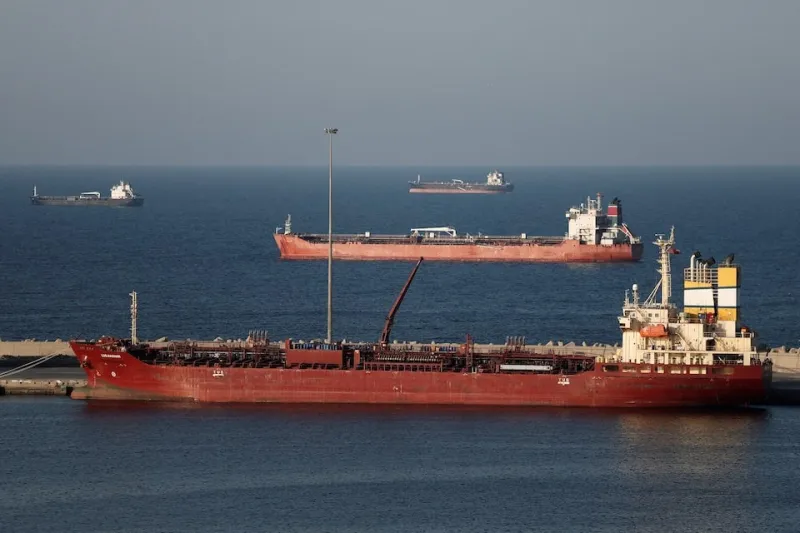
Global financial markets faced renewed volatility as escalating tensions linked to the Iran conflict pushed energy prices sharply higher and weakened investor confidence. Major stock markets declined while the United States dollar strengthened as traders shifted toward assets perceived as safer during geopolitical uncertainty. Oil prices surged as concerns about potential disruptions to supply routes intensified, particularly around the Strait of Hormuz, one of the most critical shipping corridors for global energy flows. The rise in crude prices quickly reverberated across financial markets, triggering declines in equities and altering expectations about global economic conditions.
Brent crude oil prices climbed above 103 dollars per barrel during trading as investors reacted to the possibility of further disruptions in Middle Eastern oil exports. The increase in energy prices has become a central driver of market sentiment because higher fuel costs can ripple across the global economy through increased transportation expenses, rising manufacturing costs and pressure on consumer spending. Financial analysts say that prolonged oil price increases could raise inflation levels in many economies, potentially forcing central banks to maintain tighter monetary policies for longer than previously anticipated.
Stock markets in several major economies moved lower as investors reduced exposure to risk assets. Global equity indexes declined while technology and growth oriented stocks faced particular pressure due to concerns about higher interest rates and slower economic activity. In the United States the decline in stock markets coincided with rising bond yields as traders reassessed expectations for future monetary policy decisions. The shift in sentiment reflects how geopolitical developments can quickly influence both financial markets and macroeconomic forecasts.
Currency markets also reacted strongly to the changing environment. The United States dollar strengthened against a wide range of global currencies as investors moved funds into the world’s largest reserve currency during the period of uncertainty. Historically the dollar has tended to benefit during geopolitical crises because it is viewed as a relatively stable store of value within the international financial system. The recent rally in the dollar reflects increased demand for liquidity and safety as investors seek protection from potential market turbulence.
The surge in oil prices is also reshaping expectations about interest rate policy in major economies. Traders have begun reducing their bets that the Federal Reserve will cut interest rates later in the year. Rising energy prices can push inflation higher, making it more difficult for central banks to ease monetary policy even if economic growth begins to slow. As a result financial markets are adjusting their forecasts about the timing of potential interest rate reductions.
Analysts note that energy markets have become a key indicator of how the Iran conflict may influence the broader global economy. If disruptions to oil supply routes persist or intensify, fuel prices could continue rising, placing additional strain on households and businesses worldwide. Higher energy costs historically contribute to slower economic growth because they reduce consumer purchasing power and increase operational costs for companies across multiple industries.
Investors are closely monitoring geopolitical developments to assess whether the situation in the Middle East will escalate further or begin to stabilize. Market participants say the direction of oil prices will likely remain the most important factor influencing financial markets in the coming weeks. As long as uncertainty surrounding energy supply persists, global equities, currencies and commodity markets are expected to remain highly sensitive to new developments.