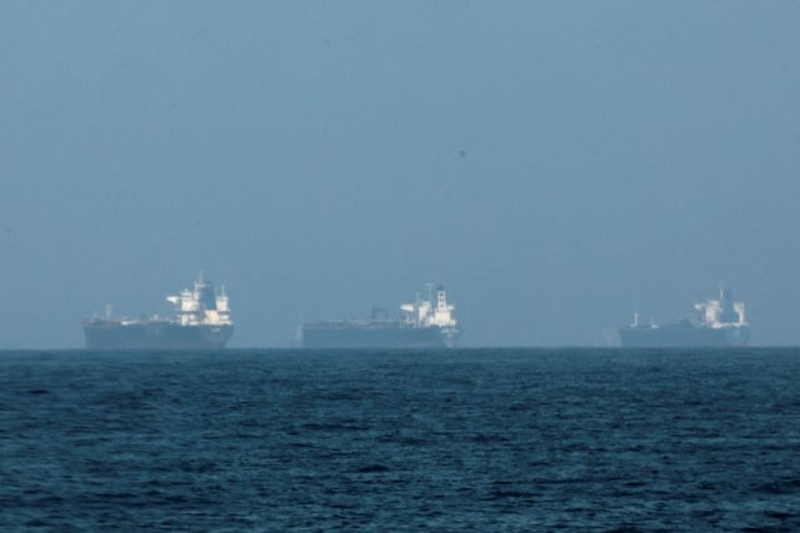
Oil derivatives markets are signaling that traders believe the latest geopolitical shock in the Middle East may be temporary despite the sharp surge in crude prices. Data from futures and options markets shows investors positioning for volatility in the short term while maintaining expectations that prices could retreat once immediate disruptions ease. Energy markets reacted strongly to the escalation of tensions involving Iran, with crude prices reaching multi year highs and shipping costs rising sharply. However the structure of oil derivatives suggests that many traders see the current disruption as logistical rather than a long term structural change in global oil supply.
Options markets provide some of the clearest evidence of this outlook as volatility has surged primarily in contracts tied to near term oil prices. Implied volatility for short dated Brent crude options has risen dramatically over the past week, reflecting heightened uncertainty about supply flows in the immediate future. In contrast longer dated contracts have seen much smaller increases in volatility. This divergence indicates that traders expect price instability to remain concentrated in the short term rather than continuing for several years. The pattern suggests that markets believe oil supply routes may stabilize once geopolitical risks begin to ease.
The shape of the Brent crude futures curve also supports the view that the shock may be short lived. Front month futures contracts have risen significantly relative to prices further along the curve, creating a steep backwardation structure. This market condition typically indicates tight supply in the near term while implying expectations of improved supply availability later. The gap between near term and six month Brent contracts has widened to one of the largest levels seen since the energy market disruptions during the Russia Ukraine conflict several years ago.
Trading activity in crude oil options reveals shifting investor sentiment as markets respond to fast moving geopolitical developments. Demand for bullish call options surged early in the week as traders sought to profit from the rapid rise in oil prices. As the rally continued, some investors also increased purchases of protective put options to hedge against a potential decline in prices if supply concerns ease. These changes in positioning reflect how market participants are balancing the risk of further price spikes against the possibility that the conflict driven supply disruption could prove temporary.
Longer term pricing signals remain relatively stable even after the dramatic movements in short term contracts. Futures contracts tied to oil deliveries several years ahead are still trading at levels well below current spot prices. This indicates that investors are not yet pricing in a lasting structural shortage of global oil supply. Analysts say energy producers have also used the recent price surge to lock in forward sales of future output, creating additional selling pressure on longer dated contracts. As a result the risk premium in oil markets remains concentrated in the near term while traders wait for clearer signals about how the geopolitical situation may evolve.