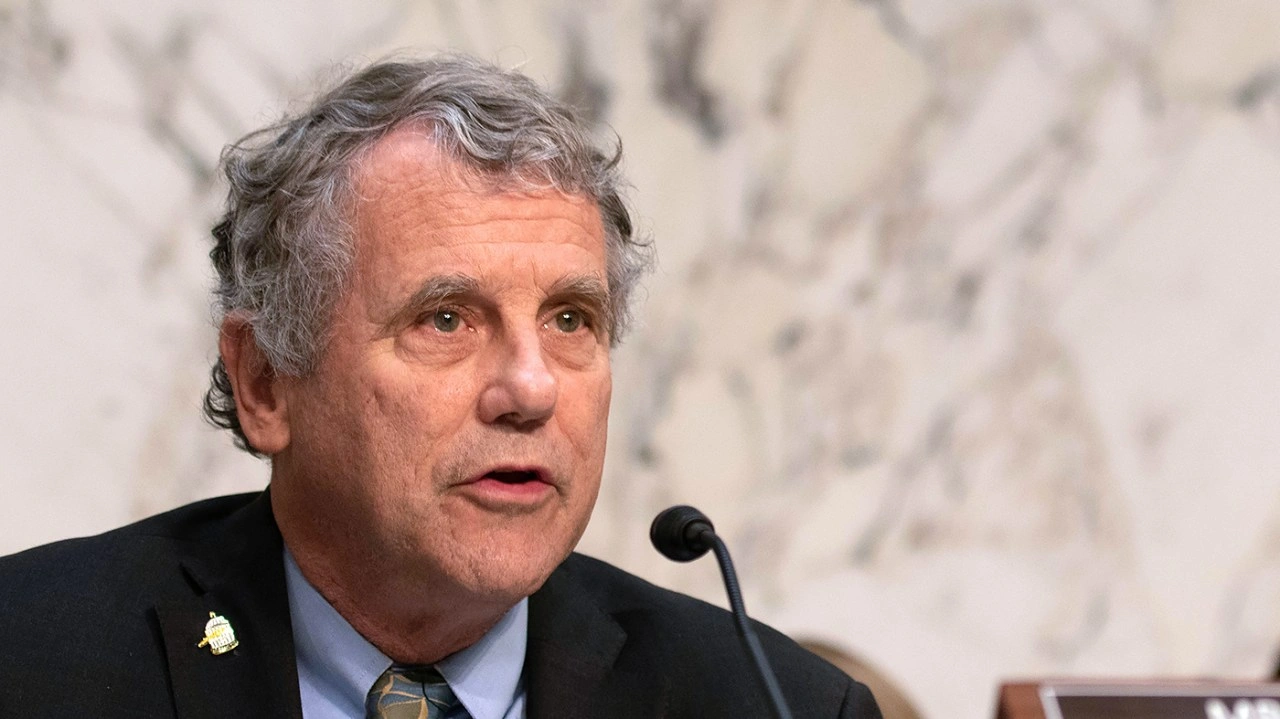
A senior official at the United States Federal Reserve has indicated that rising oil prices linked to geopolitical tensions could influence future monetary policy decisions. Federal Reserve Governor Stephen Miran said the recent surge in energy prices may weaken consumer demand across the broader economy, a development that could strengthen the case for interest rate cuts. His remarks highlight the growing concern among policymakers that higher energy costs could weigh on economic activity even as inflation risks remain under close scrutiny.
Energy markets have experienced significant volatility in recent weeks as geopolitical tensions have pushed crude oil prices higher. Rising fuel costs tend to affect both businesses and consumers by increasing transportation expenses, production costs and household energy bills. Economists often view such developments as a supply shock that can slow economic momentum. According to Miran, higher oil prices may eventually reduce spending in other parts of the economy as households adjust budgets and companies face higher operating expenses.
The possibility that energy driven price increases could weaken economic demand presents a complex challenge for central banks. On one hand higher oil prices can push inflation upward by raising costs across the economy. On the other hand rising energy expenses can reduce overall spending power and slow economic growth. Policymakers must therefore evaluate whether inflation pressures are likely to persist or whether weaker demand could ultimately ease price growth over time.
Miran suggested that if the negative demand effects of higher energy prices become more pronounced it could support a more accommodative approach to monetary policy. A more dovish stance typically involves lower interest rates aimed at supporting economic growth and maintaining financial stability. However he emphasized that policymakers are still gathering information about how energy markets and geopolitical developments may influence the broader economic outlook in the coming months.
Financial markets are closely watching signals from central bank officials as investors attempt to forecast the path of interest rates. Expectations for Federal Reserve policy have shifted several times during the year as new economic data and geopolitical developments emerge. Rising energy prices have added another layer of uncertainty to this outlook. For now policymakers appear cautious about reacting too quickly while monitoring whether higher oil costs translate into broader economic weakness or persistent inflation pressures.