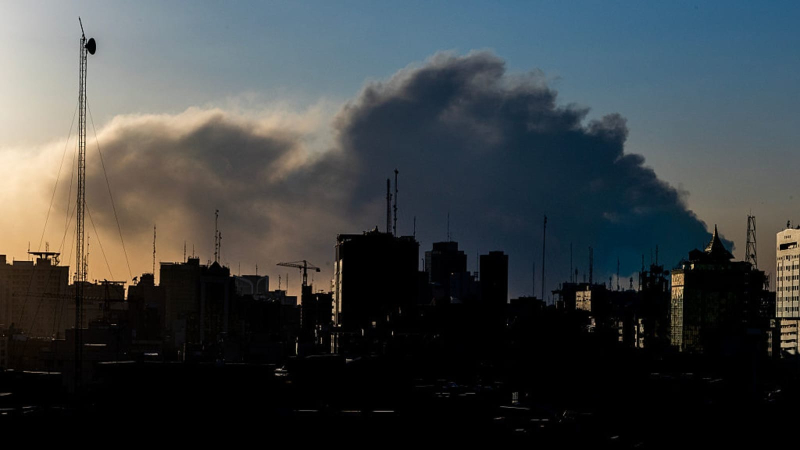
Escalating tensions in the Middle East are pushing investors toward defensive positions as uncertainty surrounding the Iran conflict intensifies across global financial markets. The widening geopolitical crisis has significantly reduced visibility for investors trying to forecast inflation trends, central bank policies and economic growth. Market participants are increasingly relying on established shock absorber trades such as the United States dollar, gold and select defensive assets to protect portfolios from sudden market swings. While volatility has risen in recent days, analysts say financial markets have not yet entered the type of panic conditions seen during past geopolitical or financial crises.
Currency markets have reacted quickly as the United States dollar strengthens on rising demand for safe haven assets. The dollar is on track for one of its strongest weekly performances in more than a year, reflecting investors seeking stability during heightened geopolitical risk. At the same time, sharp increases in oil and natural gas prices have revived concerns about a potential global energy shock similar to the surge experienced in 2022. Higher energy prices could quickly feed into inflation, complicating monetary policy decisions for central banks that are already balancing slowing growth with persistent price pressures.
Despite the uncertain outlook, several key indicators of financial stress remain relatively contained. Measures often used to gauge market anxiety, including corporate bond spreads and volatility indexes, have risen but remain far below the levels recorded during major financial disruptions. Analysts say this suggests investors still believe the conflict could be resolved before causing deeper damage to the global financial system. Derivatives markets, currency funding costs and credit markets are also functioning normally, indicating that liquidity across financial institutions has not yet been severely disrupted.
However the recent market turbulence has exposed vulnerabilities in some of the most crowded investment trades of the past year. Assets that previously attracted strong inflows such as gold, emerging market equities and major technology stocks have faced significant pressure during the past week. Global bond markets have also experienced their sharpest selloff in months as rising energy costs push inflation expectations higher. Investors who had positioned portfolios around expectations of lower interest rates are now reassessing those assumptions as geopolitical tensions threaten to reshape inflation dynamics.
Energy markets remain the central fault line shaping investor sentiment. Oil prices have surged dramatically in a matter of days as traders evaluate the potential impact of supply disruptions across key shipping routes and production regions. Some analysts warn that if crude prices approach or exceed one hundred dollars per barrel the economic consequences could become far more severe. Rising energy costs would increase pressure on consumer spending and corporate profitability while also forcing central banks to reconsider plans for easing monetary policy later in the year.
The broader financial environment was already facing several structural risks before the conflict escalated. Regulators and central banks have repeatedly warned about vulnerabilities linked to high levels of leverage in hedge fund trading, the rapid expansion of private credit markets and speculation around emerging technologies such as artificial intelligence. The sudden geopolitical shock has therefore arrived at a moment when global financial systems were already navigating complex risks. As investors attempt to assess the long term economic impact of the Iran conflict many are temporarily shifting portfolios toward familiar defensive assets until greater clarity emerges.