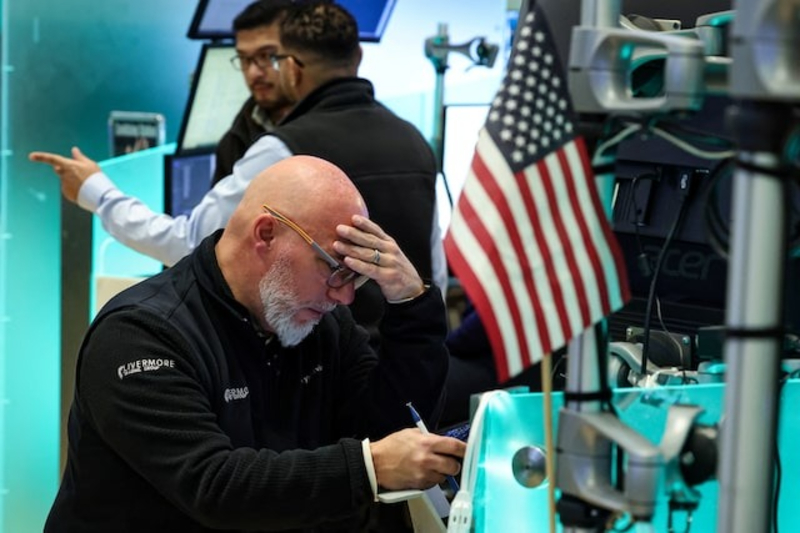
Rising geopolitical tensions linked to the war involving Iran are sending shockwaves across global financial markets, forcing investors to reconsider how the conflict could influence currencies, energy prices and long term portfolio strategies. Financial analysts warn that prolonged instability in the Middle East may disrupt oil supply routes, fuel inflation and weaken confidence in traditional safe haven assets. Market participants are already adjusting investment allocations as volatility increases across equities, commodities and foreign exchange markets. For households and investors alike, the expanding conflict is no longer a distant geopolitical story but a development that could reshape borrowing costs, energy bills and the stability of financial markets in the months ahead.
One of the most immediate effects is being seen in the energy sector where fears of supply disruptions have pushed crude oil prices sharply higher. The Strait of Hormuz remains one of the most important global oil shipping routes and any threat to vessels moving through the region can quickly tighten global supply. Higher oil prices tend to spread through the wider economy by raising transportation costs, manufacturing expenses and household energy bills. As inflation pressures rise, central banks may face renewed challenges in controlling price growth while maintaining economic stability. This combination of rising costs and economic uncertainty has already made investors more cautious across global markets.
Currency markets are also responding to the unfolding situation as traders move capital toward perceived safety. The United States dollar has historically benefited during periods of geopolitical stress, yet analysts say the current environment is more complex. Government bond markets have experienced unusual volatility and long term Treasury securities are not delivering the predictable stability investors often expect during global crises. Some investors have begun increasing their exposure to cash and short term instruments while reducing risk in equity portfolios. The shift reflects growing concern that prolonged conflict could slow global growth and place additional strain on already fragile financial systems.
Market strategists say investors should expect a period of adjustment as financial markets absorb the full economic impact of the conflict. Several major banks have suggested that it could take weeks for asset prices to reflect the longer term implications of rising energy costs and supply chain uncertainty. Some analysts believe the situation may lead to renewed debate about diversification strategies including exposure to commodities, currency hedging and defensive sectors. Financial advisers are encouraging investors to remain cautious rather than reacting to daily market swings, noting that geopolitical shocks often create both risks and opportunities for disciplined portfolio management.
Beyond financial markets, the conflict has wider implications for global economic stability. Escalating tensions in the Gulf region could disrupt shipping routes, airline operations and international trade flows if security risks expand. Energy importing nations may face increased pressure on national budgets while consumers in many economies could see higher fuel and electricity costs. Economists also warn that sustained increases in oil prices historically contribute to slower economic growth. As governments and financial institutions monitor the evolving situation, investors around the world are closely watching whether geopolitical tensions continue to escalate or begin to stabilize.