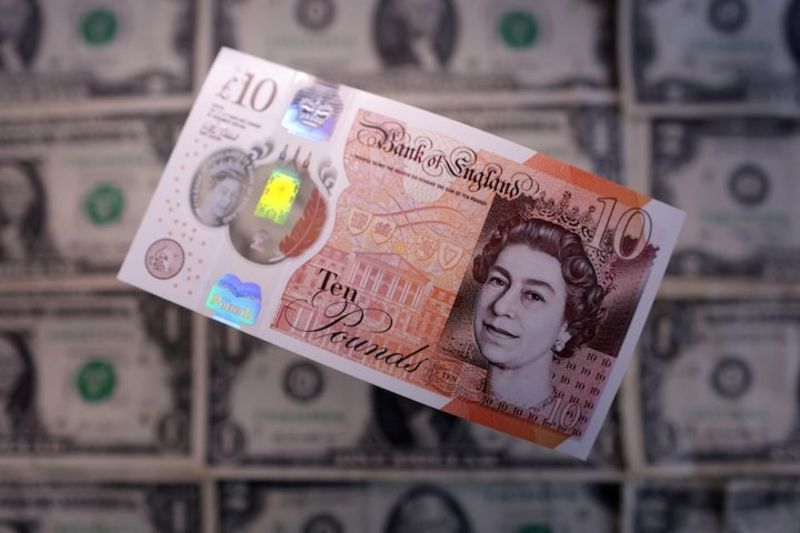
The British pound resumed its downward movement in global currency markets as escalating tensions in the Middle East triggered another wave of risk aversion among investors. Heightened geopolitical uncertainty has prompted traders to shift capital toward safe haven assets, strengthening the US dollar and placing pressure on several major currencies including sterling. Currency markets have become increasingly volatile as investors respond to rising energy prices and the potential economic impact of prolonged instability across a strategically important region for global oil supply.
Sterling slipped modestly against the US dollar as investors increased exposure to dollar denominated assets during the latest bout of market uncertainty. The pound also weakened slightly against the euro as currency traders reassessed the relative resilience of different economies under conditions of rising energy prices. Analysts note that currencies linked to economies dependent on imported energy often face greater pressure during geopolitical shocks that threaten supply chains and drive commodity prices higher.
The strengthening of the dollar reflects a broader shift in investor sentiment toward liquidity and stability during periods of global stress. When geopolitical tensions intensify, investors typically seek assets backed by deep financial markets and strong institutional frameworks. The US dollar continues to benefit from this dynamic as the dominant reserve currency used in global trade and financial transactions. Recent movements in currency markets suggest that safe haven demand remains one of the strongest drivers of short term foreign exchange trends.
Expectations surrounding interest rate policy in the United Kingdom have also changed as financial markets absorb the implications of higher energy prices. Traders have scaled back forecasts for a near term interest rate cut by the Bank of England. Earlier expectations had suggested that policymakers might begin easing monetary policy soon, but rising inflation risks tied to energy markets are now complicating that outlook. If oil prices continue to climb, central banks may face renewed pressure to maintain restrictive monetary policies for longer than previously anticipated.
Domestic economic factors are adding additional pressure to the pound as the United Kingdom navigates a period of slower growth. Recent economic indicators have pointed to weak expansion in the final quarter of the previous year, raising concerns about the durability of the country’s recovery. Sluggish growth combined with elevated borrowing costs has left the British economy vulnerable to external shocks. As global markets react to geopolitical developments, investors are increasingly cautious about economies that face structural growth challenges.
Political developments within the United Kingdom have also contributed to uncertainty surrounding the currency. Domestic policy debates and shifting political dynamics have drawn attention from investors assessing the country’s economic direction. Political pressure on the government has intensified following recent electoral developments and criticism of its foreign policy positioning during the ongoing Middle East conflict. These factors have added another layer of complexity to the outlook for sterling in global financial markets.
Recent fiscal updates from the British government suggested that inflation and borrowing could come in lower than previously expected, offering some optimism about the country’s medium term fiscal position. However official projections also indicated that economic growth may slow in the coming year. Economists caution that these forecasts were prepared before the latest escalation of geopolitical tensions and may not fully capture the economic consequences of sustained instability in global energy markets.
Energy prices remain a key variable influencing the outlook for the pound. The United Kingdom relies heavily on imported oil and natural gas, making its economy particularly sensitive to spikes in energy costs. If geopolitical tensions continue to push energy prices higher, inflationary pressures could intensify while economic growth slows. Currency markets are therefore closely watching developments in both global energy supply and international diplomacy as they attempt to assess how prolonged geopolitical uncertainty could shape the trajectory of sterling.