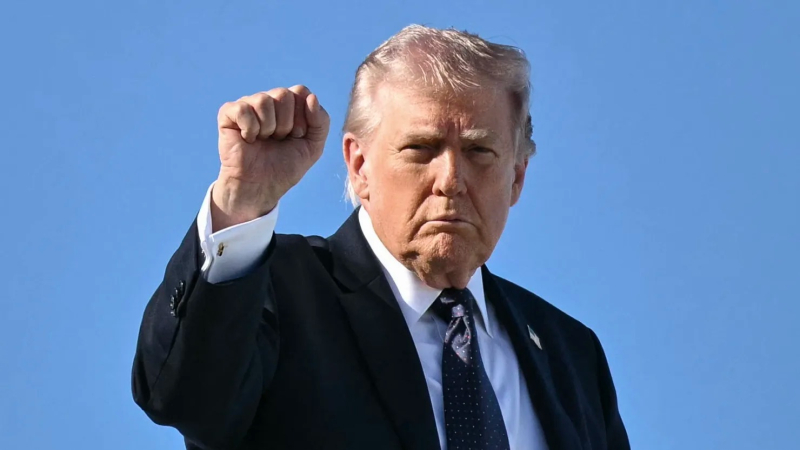
The debate over stablecoin regulation in the United States has intensified after President Donald Trump publicly backed cryptocurrency companies in their ongoing dispute with traditional banks over whether digital dollar tokens should be allowed to generate yield for users.
The conflict centers on a major legislative effort in Washington aimed at establishing a clear regulatory framework for stablecoins. These digital assets are designed to maintain a stable value by being linked to traditional currencies such as the U.S. dollar and are widely used across cryptocurrency trading platforms and digital finance applications.
Crypto firms argue that stablecoins should be able to offer interest like returns to users who hold their tokens. According to industry leaders, allowing yield generating stablecoins could transform digital payments by giving consumers the ability to earn returns on funds that would otherwise remain idle.
Traditional banks, however, have raised strong concerns about the proposal. Banking executives warn that if stablecoins begin offering competitive yields, large volumes of deposits could shift away from the traditional banking system into digital wallets and crypto platforms.
Financial industry analysts say the scale of the potential disruption could be significant. Studies cited by banking groups suggest that trillions of dollars currently held in bank deposits could move into digital assets if stablecoin providers begin offering yield based products to consumers.
Banks rely heavily on customer deposits as a source of funding for loans to households and businesses. A major migration of funds into digital stablecoins could therefore affect the broader credit system by reducing the amount of capital available for lending across the economy.
President Trump’s support for the crypto sector adds new momentum to the debate. In recent comments, he urged banks and the cryptocurrency industry to reach an agreement that would allow stablecoin innovation to proceed while still protecting the broader financial system.
Supporters of the crypto industry argue that stablecoins represent a natural evolution of financial technology. By combining blockchain infrastructure with dollar backed reserves, these digital assets can enable faster payments, lower transaction costs and greater financial accessibility for consumers.
Technology firms and digital asset companies also believe stablecoin yields could encourage wider adoption of blockchain based financial services. For many users, the ability to earn returns on digital balances could make stablecoins more attractive than traditional payment systems.
At the same time, regulators remain cautious about how such products should be structured. Policymakers are examining whether stablecoin issuers should be required to follow banking style rules regarding capital reserves, transparency and consumer protections.
Financial markets have responded to the political developments as investors evaluate the potential impact on both banking institutions and cryptocurrency companies. Shares of several crypto related firms have gained momentum as expectations grow that the industry could receive stronger regulatory backing.
The outcome of the legislative debate could shape the future of digital finance in the United States. Stablecoins are already playing a growing role in global financial markets, and the regulatory decisions made in Washington may determine how quickly these technologies expand into mainstream financial services.