The recent rebound in the U.S. dollar following the outbreak of conflict involving Iran is unlikely to be sustained over the long term, according to currency strategists who say underlying economic expectations still point toward a softer dollar in the months ahead.
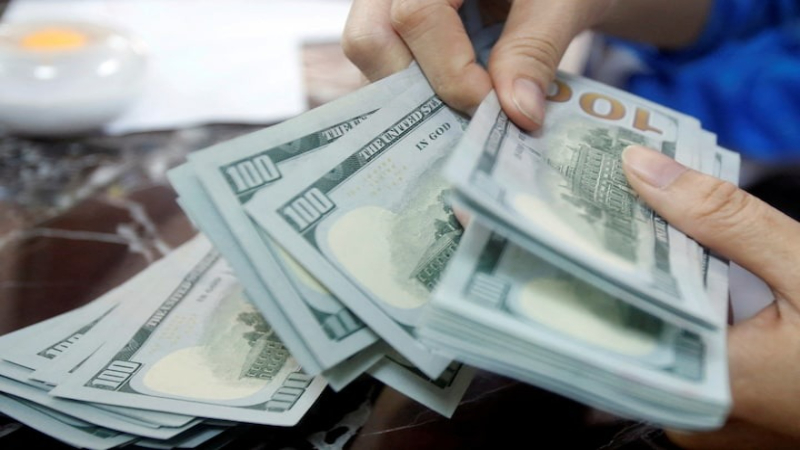
The greenback has strengthened modestly since the escalation of geopolitical tensions in the Middle East, gaining roughly 1.5 percent in recent trading sessions. The move came as investors reassessed risk exposure across global markets and reacted to rising oil prices triggered by fears of supply disruptions in the region.
However, many foreign exchange analysts believe the rally reflects short term market positioning rather than a durable shift in global demand for the dollar. Prior to the outbreak of hostilities, many investors had already built significant short positions against the U.S. currency, anticipating continued weakness throughout 2026.
When geopolitical tensions intensified, some traders moved quickly to close those positions, temporarily boosting the value of the dollar. Analysts say this kind of positioning adjustment can often create short lived currency spikes without signaling a lasting change in macroeconomic fundamentals.
Despite the recent bounce, the U.S. dollar has declined significantly since the beginning of 2025, losing about 12 percent against a basket of major currencies. That trend reflects expectations that U.S. monetary policy may begin to ease later this year as inflation gradually stabilizes and economic growth moderates.
Interest rate markets continue to anticipate that the Federal Reserve could cut borrowing costs twice before the end of 2026. Lower interest rates typically reduce the yield advantage of U.S. assets and can weaken demand for the dollar in global currency markets.
Currency strategists also note that the dollar’s traditional safe haven role has become less predictable in recent years. While geopolitical crises historically pushed investors toward U.S. assets, recent market reactions have been more mixed, with some investors diversifying into alternative stores of value such as gold or non dollar assets.
Energy markets have also played an important role in shaping currency movements. Brent crude prices have surged sharply amid fears that the conflict could disrupt oil shipments from key producing regions. Higher oil prices tend to weigh on many emerging market currencies, particularly those heavily dependent on imported energy.
As a result, several Asian and Latin American currencies have weakened in recent sessions as investors shift toward defensive positioning. Rising bond yields and elevated geopolitical risk have further amplified volatility in emerging market foreign exchange markets.
Currency forecasts remain highly uncertain as global markets continue to monitor developments in the Middle East, U.S. monetary policy signals and the broader trajectory of the global economy. While some analysts expect the dollar to stabilize temporarily, many projections suggest the euro could gradually strengthen against the U.S. currency over the coming year.
Foreign exchange markets are therefore expected to remain volatile as investors balance geopolitical risks with expectations for interest rate changes and global economic growth.