Global financial markets extended their selloff after U.S. President Donald Trump pledged to do “whatever it takes” to achieve military objectives in Iran, a statement that heightened investor anxiety and reinforced a surge in energy prices.
Equity markets across Asia and Europe declined sharply, while U.S. futures pointed to further weakness on Wall Street. MSCI’s broad Asia Pacific index outside Japan dropped more than 2 percent, with Korean stocks among the hardest hit. Futures linked to the S and P 500 and Nasdaq also moved lower as investors reacted to escalating geopolitical uncertainty.
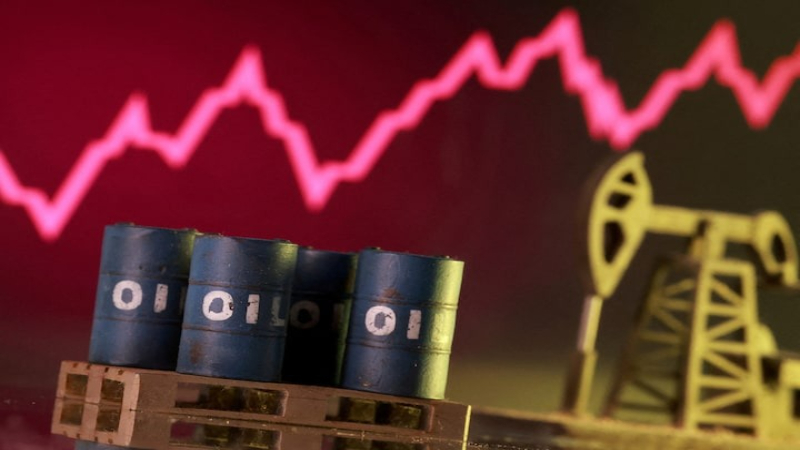
Oil prices continued to climb for a third consecutive session. Brent crude rose toward the 80 dollar per barrel mark, supported by threats to shipping through the Strait of Hormuz. The narrow waterway remains central to global energy trade, and fears of prolonged disruption have driven tanker rates to record highs. The cost of chartering a supertanker from the Middle East to Asia has surged above 400000 dollars per day, reflecting both security risks and insurance premiums.
Higher crude prices are amplifying concerns about inflation and economic growth. A sustained energy shock can feed directly into transportation, manufacturing, and consumer prices, complicating central bank policy decisions worldwide. Markets are increasingly weighing whether renewed oil driven inflation could delay interest rate cuts in major economies.
The U.S. dollar index held near a six week high as the conflict bolstered demand for dollar denominated assets. The greenback regained some of its traditional safe haven appeal, strengthening against several major currencies. The Japanese yen remained under pressure, prompting officials in Tokyo to signal that currency intervention remains a possibility if volatility intensifies.
Bond markets also reflected heightened caution. The yield on the U.S. 10 year Treasury edged higher, indicating mixed demand for government debt amid shifting inflation expectations. Gold prices advanced modestly, although gains were tempered by the stronger dollar and rising yields.
European equity futures pointed to additional declines at the open, with German and pan regional benchmarks indicating losses. Investors are closely monitoring energy markets, diplomatic developments, and potential policy responses aimed at stabilizing fuel costs.
U.S. officials have indicated that measures to mitigate rising energy prices could be announced, though details remain limited. The broader market reaction underscores how geopolitical rhetoric can rapidly influence investor sentiment, especially when tied to vital supply routes and global commodities.
With oil prices climbing and volatility spreading across asset classes, market participants are bracing for continued swings in equities, currencies, and bonds as the conflict unfolds.