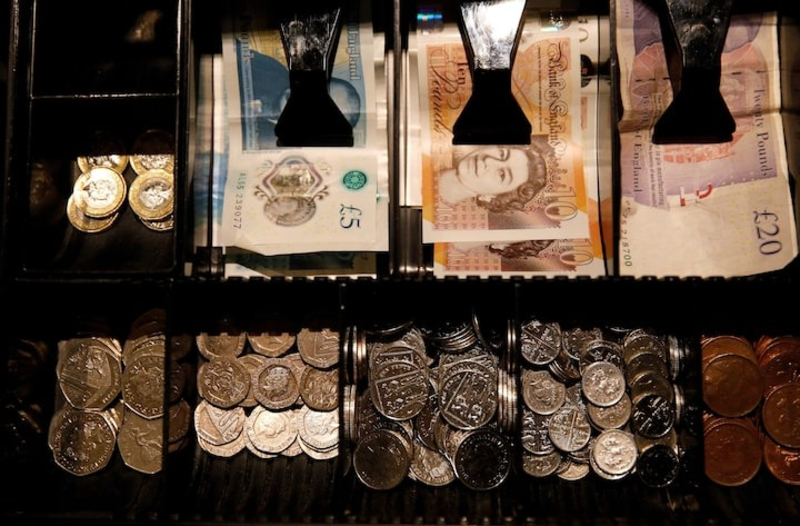
The British pound dropped to its weakest level in three months as rising oil prices and escalating tensions in the Middle East unsettled currency markets and complicated expectations for Bank of England policy.
Sterling fell around 0.6 percent against the U.S. dollar, slipping toward the 1.33 level, while remaining broadly steady against the euro. The move reflected renewed demand for the dollar as energy markets rallied and investors reassessed inflation risks tied to higher crude prices.
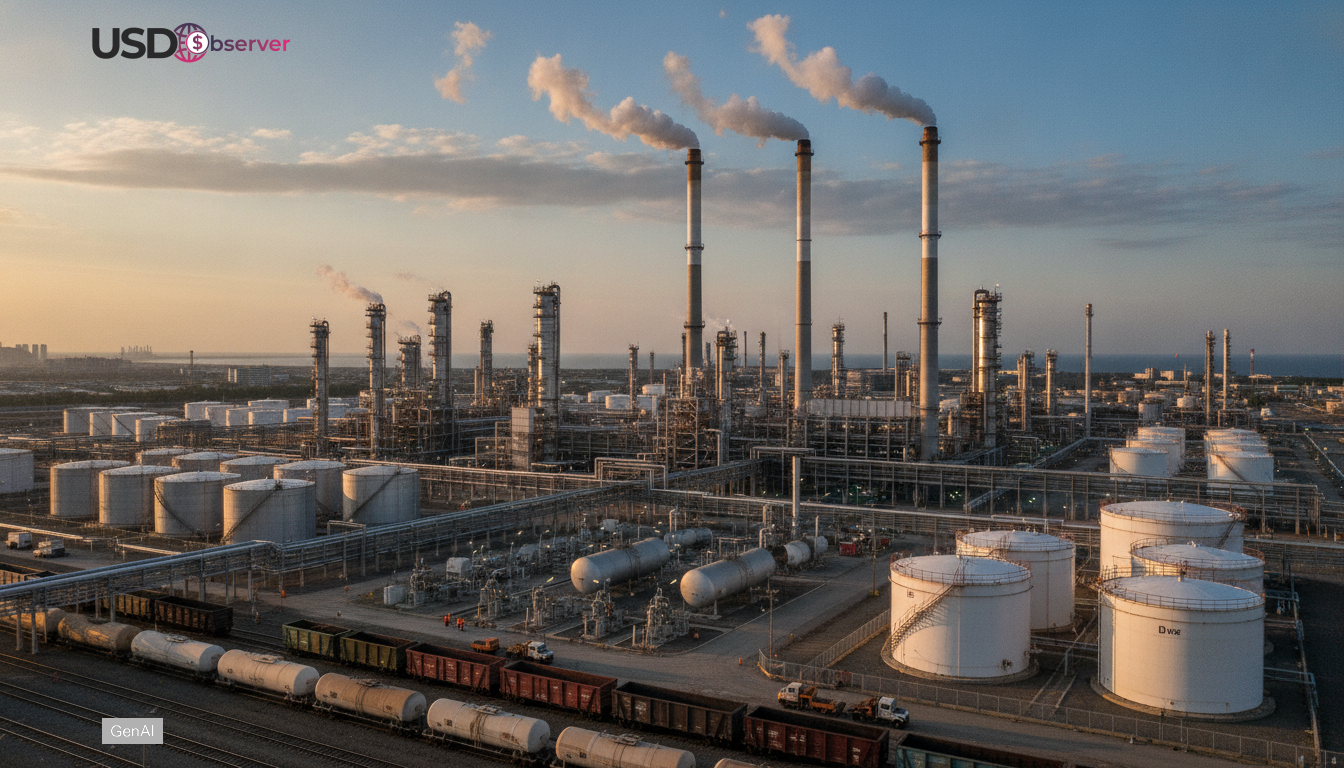
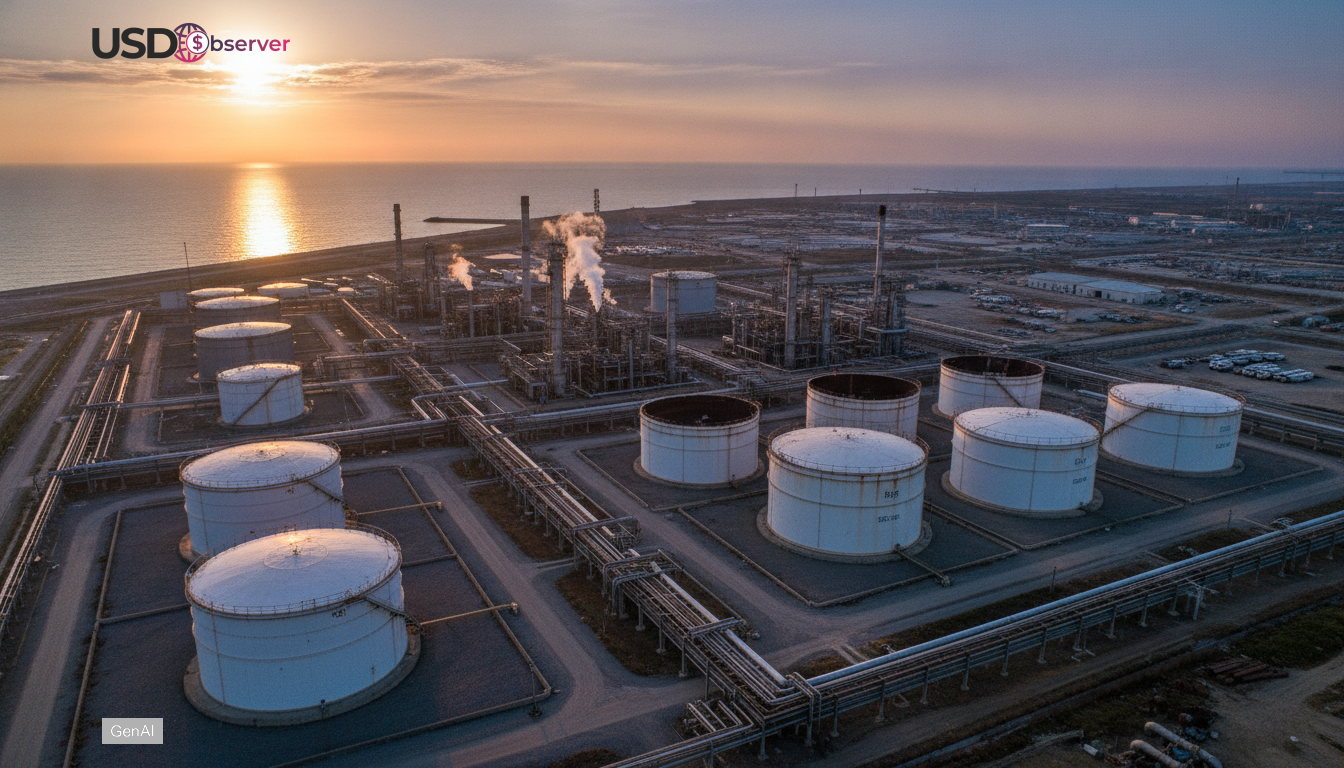
Brent crude climbed sharply, approaching the mid 80 dollar per barrel range, after fears of supply disruption intensified around the Strait of Hormuz. The waterway is a critical conduit for global oil shipments, and threats to tanker traffic have pushed energy benchmarks higher in recent sessions. Rising oil prices tend to weigh on energy importing economies, including the United Kingdom, by increasing production costs and household fuel bills.
For the UK, the surge in energy prices arrives at a delicate economic moment. Official forecasts indicate modest growth this year, with the Office for Budget Responsibility projecting expansion slightly above 1 percent. Recent data showed limited momentum in late 2025, highlighting the fragility of the recovery.
Higher oil prices risk rekindling inflationary pressures just as consumer price growth had begun to ease. The UK already has one of the highest inflation rates among major advanced economies. If fuel costs remain elevated, the pass through to transportation and utility bills could slow progress toward the Bank of England’s target.
Interest rate expectations have shifted rapidly in response. Market pricing now implies a sharply reduced probability of a near term rate cut, compared with expectations just days earlier. British government bond yields have climbed for a second consecutive session, reflecting concerns that policymakers may need to keep borrowing costs higher for longer to anchor inflation expectations.
Currency strategists note that sterling has also been sensitive to domestic political developments. Investor confidence has been tested by recent electoral setbacks for the ruling party and ongoing debate over fiscal strategy. Political uncertainty can amplify external shocks by raising questions about policy continuity and fiscal discipline.
The broader foreign exchange landscape shows that currencies of energy importers have generally underperformed during the latest oil rally. The dollar’s strength has been reinforced not only by safe haven flows but also by relative energy resilience in the United States, which is a net exporter of petroleum products.
For sterling, the path ahead will likely depend on how long oil prices remain elevated and whether inflation expectations begin to drift upward again. If energy costs stabilize, pressure on the currency could ease. However, sustained volatility in commodity markets may keep traders cautious toward UK assets in the near term.