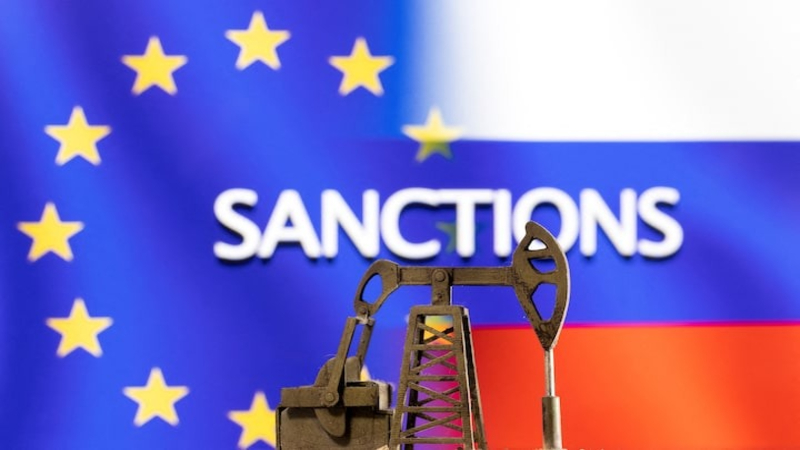
Belgium has imposed a 10 million euro bail on a Russian linked oil tanker seized in the North Sea, intensifying enforcement of European Union sanctions aimed at curbing Moscow’s energy revenues. The vessel, identified as Ethera, was detained after authorities cited multiple regulatory violations, including sailing under a false flag and carrying improper documentation.
Belgian officials said the tanker was operating as part of what is commonly described as a shadow fleet, a network of vessels accused of circumventing sanctions imposed on Russia following its invasion of Ukraine. Authorities reported dozens of violations, primarily related to certification and registration irregularities. Investigators determined the ship had been sailing under a false Guinean flag, raising questions about its legal status and compliance with international maritime rules.
The government stated that the vessel will only be permitted to resume operations once the bail is paid and follow up inspections confirm full compliance. That process includes securing a legitimate flag state registration, presenting valid safety and operational certificates, and addressing identified technical deficiencies.
European sanctions targeting Russian crude exports have contributed to the expansion of alternative shipping networks designed to maintain oil flows outside traditional Western insurance and regulatory frameworks. These shadow fleet tankers often operate with opaque ownership structures and limited transparency, complicating oversight by maritime authorities.
Officials argue that stricter enforcement serves both geopolitical and environmental objectives. Beyond sanctions compliance, regulators have expressed concern that aging and poorly maintained vessels could pose spill and safety risks in European waters. Environmental groups have warned that insufficiently regulated tankers increase the likelihood of mechanical failures and ecological damage in sensitive marine areas.
The seizure underscores a broader tightening of scrutiny across European ports and coastal zones. As sanctions enforcement expands, authorities are placing greater emphasis on verifying documentation, ownership records, and insurance coverage of vessels linked to sanctioned entities. Financial penalties such as bail requirements are intended to deter non compliance and reinforce adherence to international maritime standards.
Russia has previously criticized similar actions against its tankers, characterizing seizures and inspections as politically motivated. However, European governments maintain that measures are grounded in legal frameworks designed to uphold sanctions regimes and maritime safety obligations.
The development comes at a time of heightened volatility in global energy markets, with geopolitical tensions elsewhere pushing oil prices higher. While the immediate impact of the vessel’s detention on crude flows appears limited, enforcement actions contribute to operational uncertainty for traders and shipping operators engaged in Russian oil transport.
As regulators continue to monitor maritime traffic for sanctions breaches, the case highlights the evolving intersection of energy trade, geopolitical policy, and environmental oversight in European waters.