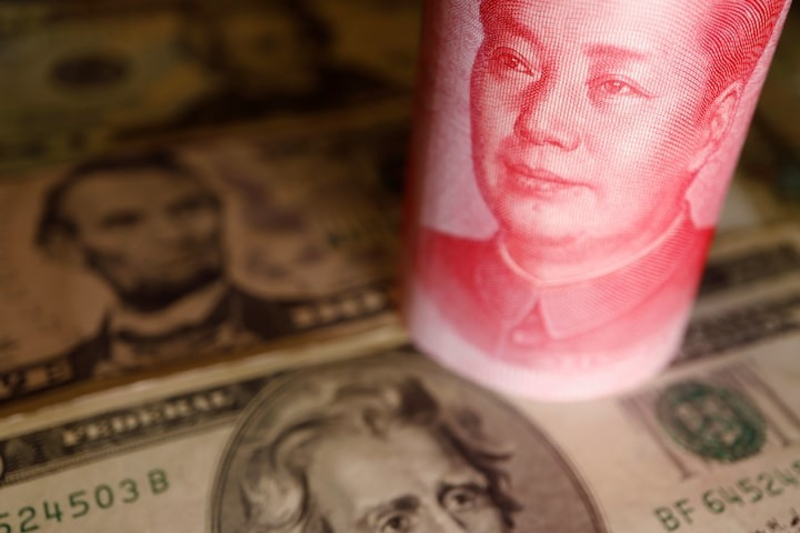
China’s yuan has strengthened sharply against the US dollar, prompting policymakers to consider additional steps to prevent excessive appreciation. Supported by robust export performance, softer US interest rates, and broad dollar weakness, the currency has climbed to near three year highs.
The yuan gained 4.4 percent last year, its strongest annual performance since 2020, and has added roughly 2 percent so far in 2026. While a firmer currency can signal economic resilience, rapid appreciation risks undermining export competitiveness and tightening domestic financial conditions.
The People’s Bank of China has already begun adjusting policy settings. It announced the removal of the 20 percent risk reserve requirement on foreign exchange forward contracts, effective in early March. By lowering the cost of purchasing dollars in the forward market, the measure is designed to encourage hedging and moderate upward pressure on the yuan.
This move reverses a 2022 decision that had raised reserve requirements to curb sharp depreciation. The current adjustment signals that authorities are now more concerned about excessive strength rather than weakness. Market analysts view the change as a clear indication that the central bank intends to guide expectations without resorting to abrupt intervention.
Another potential lever is the foreign exchange reserve requirement ratio applied to financial institutions. The ratio currently stands at 4 percent after being reduced from 6 percent in 2023. Raising it would require banks to hold more foreign currency reserves, effectively increasing demand for dollars and tempering yuan gains.
The daily reference rate mechanism remains a key instrument. The central bank sets an official midpoint for the yuan each trading day. In recent weeks, that midpoint has been fixed weaker than market projections, widening the gap between official guidance and spot expectations. This counter cyclical adjustment acts as a signal that authorities are managing the pace of appreciation.
State owned banks have also played a role. Reports indicate that major lenders have been purchasing dollars in the onshore market and holding them rather than immediately recycling them through swaps. Such activity can tighten dollar liquidity domestically and increase the cost of positioning for further yuan strength.
Verbal guidance remains another tool. Officials frequently emphasize the need for exchange rate stability and caution against speculative one way bets. Encouraging firms to use derivatives for hedging rather than directional trading is part of broader efforts to smooth volatility.
In more extreme circumstances, direct intervention through foreign exchange transactions remains available. However, China has largely avoided large scale direct action in recent years, with foreign reserves staying relatively stable.
As global capital flows shift and the dollar fluctuates, China’s calibrated approach reflects a preference for gradual management rather than abrupt currency moves. The trajectory of US monetary policy and export demand will remain central to the yuan’s outlook in 2026.