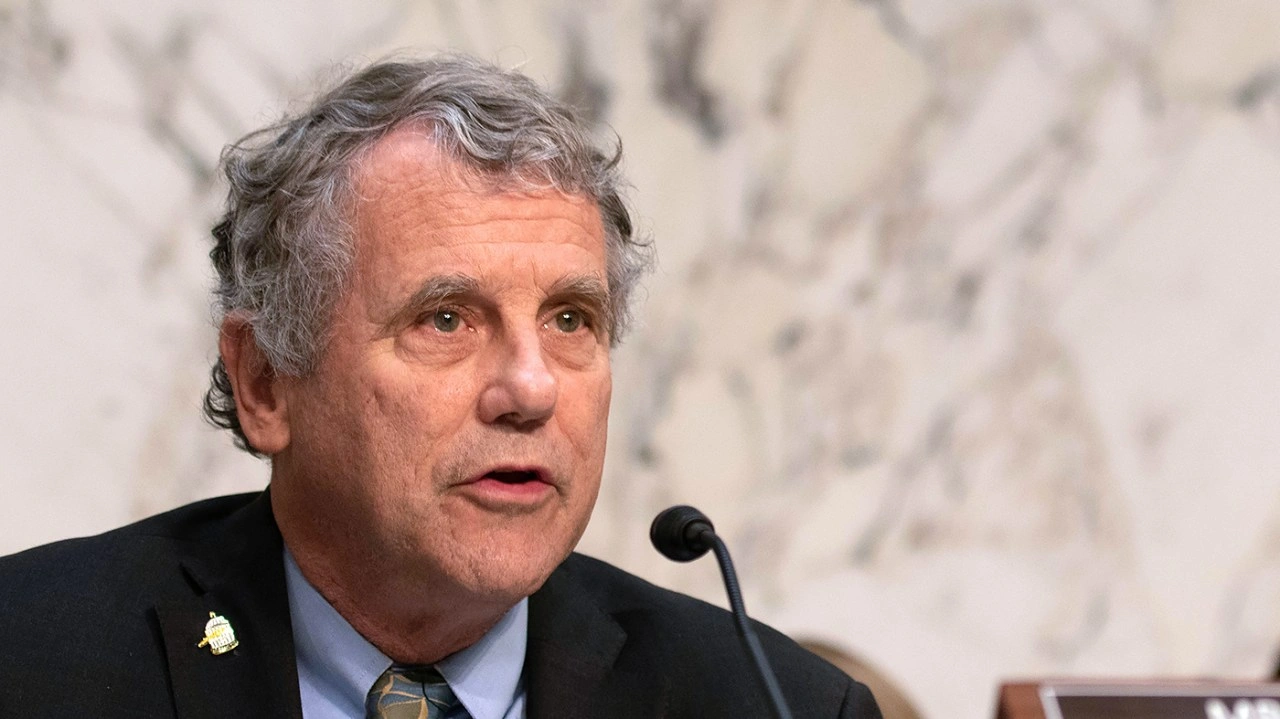
Federal Reserve Bank of Kansas City President Jeffrey Schmid said inflation remains the more pressing issue facing the US central bank, even as the labor market appears to be in relatively solid shape.
Speaking at an event hosted by the Economic Club of Colorado, Schmid noted that while employment conditions are stable, price pressures continue to demand attention. He emphasized that the Federal Reserve still has work to do to ensure inflation moves sustainably toward its 2 percent target.
Schmid did not provide specific guidance on how his assessment would translate into monetary policy decisions. However, his remarks suggest a cautious stance toward additional interest rate cuts in the near term. Last year, the Federal Reserve reduced its benchmark rate to a target range of 3.5 percent to 3.75 percent in response to signs of a cooling labor market, while attempting to maintain sufficient restraint to curb inflation.
Financial markets are currently pricing in further rate reductions later this year, but central bank officials have largely refrained from signaling a clear timeline. Policymakers are closely monitoring incoming data to determine whether inflation is on a sustained downward path or risks reaccelerating.
Recent economic data has shown mixed signals. Job growth has moderated but remains steady, and unemployment has stayed near historically low levels. At the same time, core inflation measures have proven sticky, reflecting ongoing price pressures in services and housing related components. For Fed officials like Schmid, that combination reinforces the importance of maintaining credibility in the fight against inflation.
Beyond interest rates, Schmid also addressed the Federal Reserve’s balance sheet. He said internal discussions are focused on identifying the appropriate level of bank reserves needed to ensure smooth functioning of the financial system. The Fed continues to hold a substantial portfolio of Treasury and mortgage backed securities accumulated during previous asset purchase programs.
According to Schmid, the central bank’s large holdings of mortgage bonds are still influencing borrowing costs. He estimated that current mortgage rates are likely between 75 and 100 basis points lower than they would otherwise be due to the Fed’s mortgage bond portfolio. That dynamic highlights how balance sheet policy continues to shape financial conditions even as the Fed gradually reduces its asset holdings.
The interplay between interest rate policy and balance sheet management remains central to the outlook for US monetary policy. With inflation still above target and growth steady but not robust, officials face the challenge of calibrating policy to avoid reigniting price pressures while supporting economic stability.
Investors in bond, currency and equity markets will continue to scrutinize speeches from Fed officials for clues about the pace and timing of any future adjustments to rates or asset holdings.