The US dollar weakened on Monday as investors reassessed the outlook for trade policy following a Supreme Court decision that struck down key tariffs introduced under President Donald Trump, while geopolitical tensions involving Iran added another layer of uncertainty to global markets.
The court ruled that the administration exceeded its authority under a 1977 emergency law when imposing broad based tariffs. Although the decision removes a significant part of the existing trade framework, it has not clarified the path forward. President Trump signaled he would seek alternative legal mechanisms to maintain or introduce new levies, including a temporary 15 percent tariff on imports under a separate statute that allows such measures for up to 150 days without extended congressional approval.
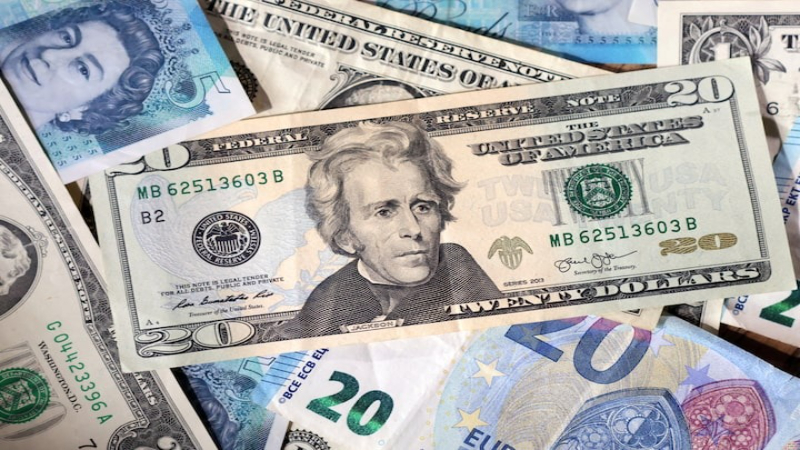
Currency markets reacted cautiously. The euro edged higher to around 1.18 dollars, while the Japanese yen strengthened against the greenback. Sterling also gained modest ground. Analysts say the dollar’s direction now hinges on how investors interpret the balance between inflation risks and policy uncertainty.
On one hand, higher tariffs could lift import prices and reduce the likelihood of near term interest rate cuts by the Federal Reserve, a scenario that would typically support the dollar. On the other hand, prolonged legal battles, shifting trade rules, and uncertainty over potential refunds for companies that paid tariffs may undermine confidence in US policy stability. Some strategists argue that sustained unpredictability could gradually fuel concerns about reduced reliance on the dollar in global trade and finance.
Litigation over tariff refunds could take years to resolve. Thousands of companies have filed lawsuits seeking clarity on whether duties collected under the invalidated measures will be repaid. The fiscal implications of possible reimbursements add another dimension to the debate, particularly as inflation remains above the Fed’s 2 percent target.
Federal Reserve officials have maintained a cautious tone. Policymakers are widely expected to hold rates steady in the near term, with attention focused on upcoming labor market and inflation data. Any signs of renewed price pressures, including those linked to trade policy, could delay potential easing.
Geopolitical risks are also influencing sentiment. The United States and Iran are continuing nuclear discussions amid heightened tensions in the Middle East. Reports of precautionary moves involving US diplomatic personnel have underscored concerns about potential escalation. Energy markets have responded with firmer oil prices, a development that can indirectly affect inflation expectations and currency flows.
In emerging markets, the Mexican peso weakened following domestic security developments, while cryptocurrency markets saw bitcoin decline sharply. Overall, the dollar’s near term trajectory reflects a complex mix of trade policy shifts, geopolitical risk, and evolving monetary expectations.