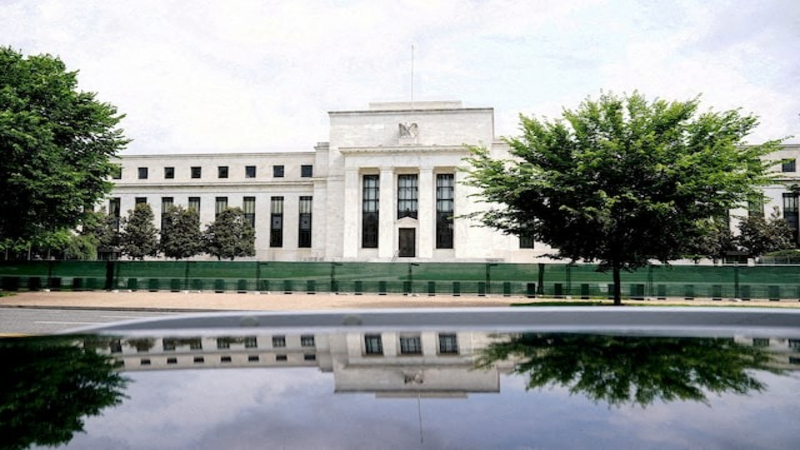
The Federal Reserve has confirmed that recent inquiries into dollar yen exchange rates were conducted at the request of the US Treasury, clarifying market speculation that briefly intensified volatility in foreign exchange markets.
According to minutes from the Federal Open Market Committee meeting held in late January, the New York Fed requested indicative quotes on the dollar yen pair in what are commonly known as rate checks. The central bank stated that the requests were made solely in its capacity as fiscal agent for the Treasury, rather than as part of an independent monetary policy action.
News of the rate checks circulated in late January and contributed to a sharp move in currency markets. The US dollar had been trading at elevated levels against the Japanese yen, reflecting policy divergence between the Federal Reserve and the Bank of Japan as well as broader global demand for dollar liquidity. Following reports of the inquiries, the yen strengthened and traders began positioning for the possibility of coordinated currency action between Washington and Tokyo.
Rate checks are not interventions in themselves. They are typically used by authorities to gauge market depth, pricing conditions, and dealer readiness in the event intervention becomes necessary. However, such inquiries are relatively rare in the US context and often interpreted by markets as a signal that officials are monitoring exchange rate movements closely.
The dollar yen exchange rate has remained a focal point in global currency markets. Persistent weakness in the yen has raised concerns in Japan about imported inflation and financial stability, particularly as energy and commodity prices remain sensitive to exchange rate swings. For the United States, the strength of the dollar intersects with broader macro variables, including capital inflows, Treasury demand, and global funding conditions.
The Treasury Secretary has publicly denied that the United States was actively intervening in currency markets. No evidence has emerged of large scale dollar selling or yen purchases by US authorities following the rate checks. Still, the episode has put investors on alert for potential joint action, which would mark the first coordinated US Japan currency intervention in roughly fifteen years.
From a dollar liquidity perspective, even the perception of official engagement can influence positioning across global markets. Hedge funds, corporate treasurers, and asset managers often adjust exposures when they believe authorities may step in to smooth currency volatility. This can affect not only spot exchange rates but also options pricing, cross currency basis swaps, and Treasury flows.
The Fed’s clarification reinforces the distinction between monetary policy operations and fiscal agency responsibilities. While the central bank remains focused on inflation and domestic financial conditions, its operational role on behalf of the Treasury means that currency related inquiries can occasionally enter the policy spotlight, especially when exchange rate movements become a macroeconomic variable in their own right.