Introduction: A Crisis Unlike Any Other
The U.S. dollar entered the pandemic period as the world’s ultimate safe haven. But by 2020–2021, it was caught in a paradox: trillions in monetary and fiscal stimulus stabilized financial markets and turbocharged the labor rebound, even as early inflation warnings crept into the outlook. With interest rates pinned near zero, investors had to weigh the Fed’s extraordinary support against signs of supply bottlenecks, crime perception shifts, and social unease.
The Fed’s Ultra-Low Rate Policy
At the height of the COVID shock in March 2020, the Federal Reserve slashed its benchmark rate to 0–0.25% and launched unprecedented bond-buying programs. Liquidity swaps with global central banks reinforced the dollar’s safe-haven status, with DXY briefly surging above 102 in March 2020.
But through 2021, the story flipped. As vaccines rolled out and growth rebounded, the Fed stuck with its dovish stance, repeating that inflation spikes were “transitory.” The policy backdrop kept U.S. yields suppressed — a headwind for the dollar compared to the rate-sensitive periods that would follow in 2022.
Employment: A Rapid YoY Turnaround
The labor market collapse of 2020 — unemployment soaring to 14.8% in April 2020 — was historic. But the rebound was equally dramatic.
- 2020: Payrolls collapsed by more than 20 million in April, with MoM declines unmatched since the Great Depression.
- 2021: Nonfarm payrolls rebounded at a pace of 400k–600k jobs per month, pushing unemployment down to 5.9% by June and 4.2% by December. YoY comparisons showed the sharpest recovery in modern U.S. history.
This rapid labor rebound strengthened consumer demand and restored investor confidence. For the dollar, however, it created tension: strong jobs data signaled growth, but the Fed’s refusal to tighten meant yield differentials still weighed against the greenback.
Inflation Jitters Take Center Stage
By mid-2021, consumer prices were climbing at their fastest pace in decades.
- May 2021 CPI: +5% YoY, fueled by used cars, energy, and housing.
- Summer 2021 MoM: Increases of 0.6–0.9% highlighted broadening pressures.
- Core inflation: Rose above 4%, challenging the Fed’s narrative of temporary bottlenecks.
Investors began speculating about earlier rate hikes, briefly lifting the dollar against the euro and yen. Yet Fed officials, led by Chair Jerome Powell, continued to reassure markets that patience was warranted. This policy lag vs. inflation reality set the stage for the more aggressive tightening cycle that would begin in 2022.
Social and Crime Narratives: A Risk Premium Layer
While macro data drove markets, social indicators added to the U.S. risk premium.
- Crime: FBI statistics showed homicides rising sharply in 2020–2021, even as other categories varied. Public perception was even starker — surveys indicated most Americans believed crime was worsening.
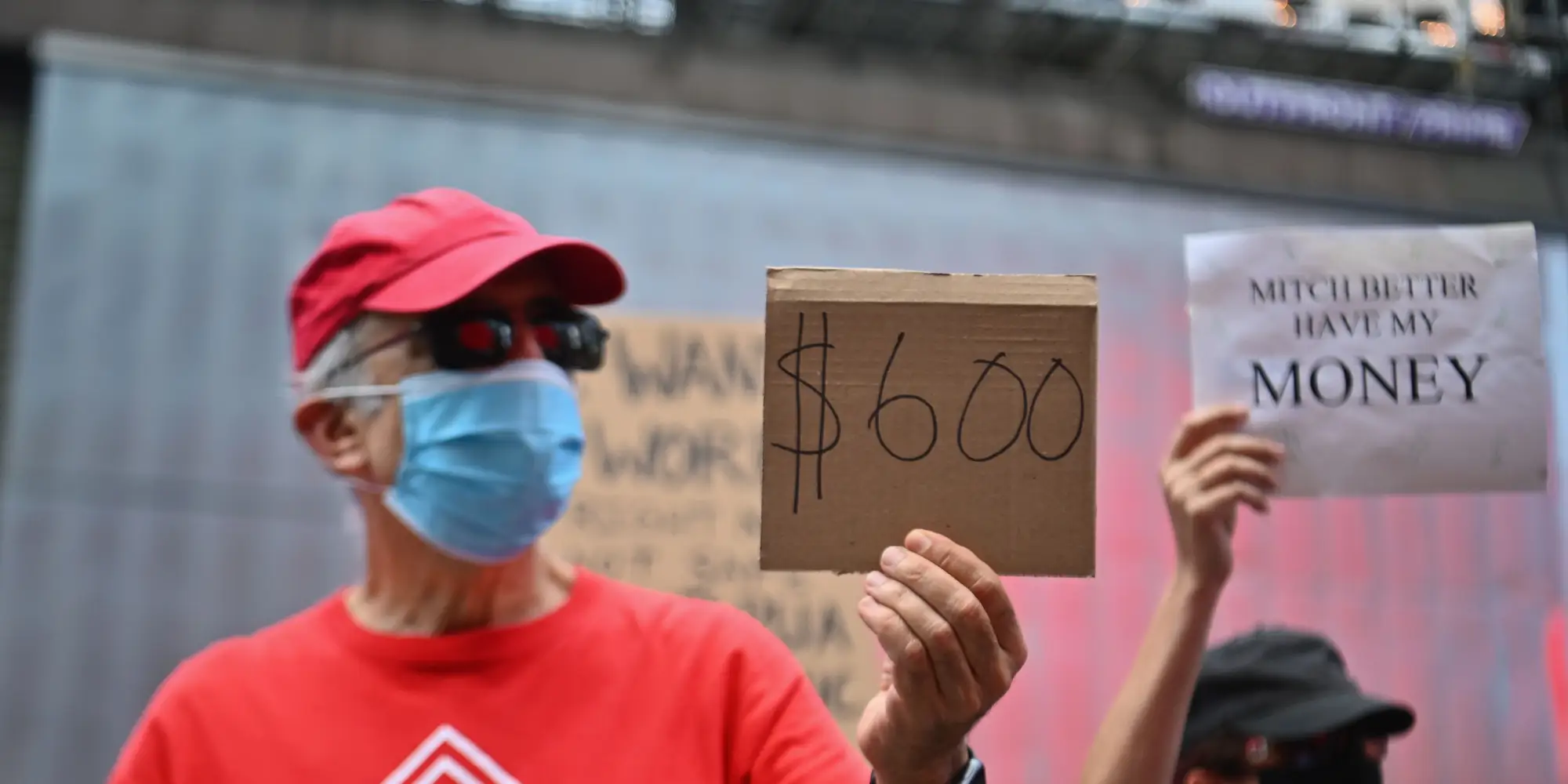
- Social unrest: From protests in 2020 to political polarization heading into the 2020 election, instability narratives influenced global views of U.S. governance.
Though these factors did not directly weaken the dollar in 2021, they contributed to a broader sense of uncertainty that global investors priced into Treasuries and risk assets.
The Dollar’s Mixed Journey
The USD’s trajectory during 2020–2021 reflected this push-pull dynamic:
- Early 2020: Surge as investors sought liquidity.
- Late 2020–Early 2021: Weakening trend as Fed stimulus and global recovery favored riskier assets.
- Mid–Late 2021: Stabilization as inflation concerns boosted bets on eventual Fed tightening.
By the end of 2021, the dollar was regaining strength — not because the Fed had acted, but because markets anticipated it soon would.
Conclusion: Foundations of the Next Cycle
The 2020–2021 period marked a bridge: from pandemic panic to recovery optimism, from ultra-dovish policy to early inflation alarm bells. Employment MoM/YoY data underscored a resilient U.S. rebound, while inflation prints hinted at the storm ahead. External factors — crime perception, political divides, and social protests — added a layer of instability that investors could not ignore.
For the dollar, it was a year of contradiction: strong growth without strong yields. That tension would only resolve in 2022, when the Fed finally pivoted to its fastest tightening cycle in decades — sending the USD soaring.