Introduction
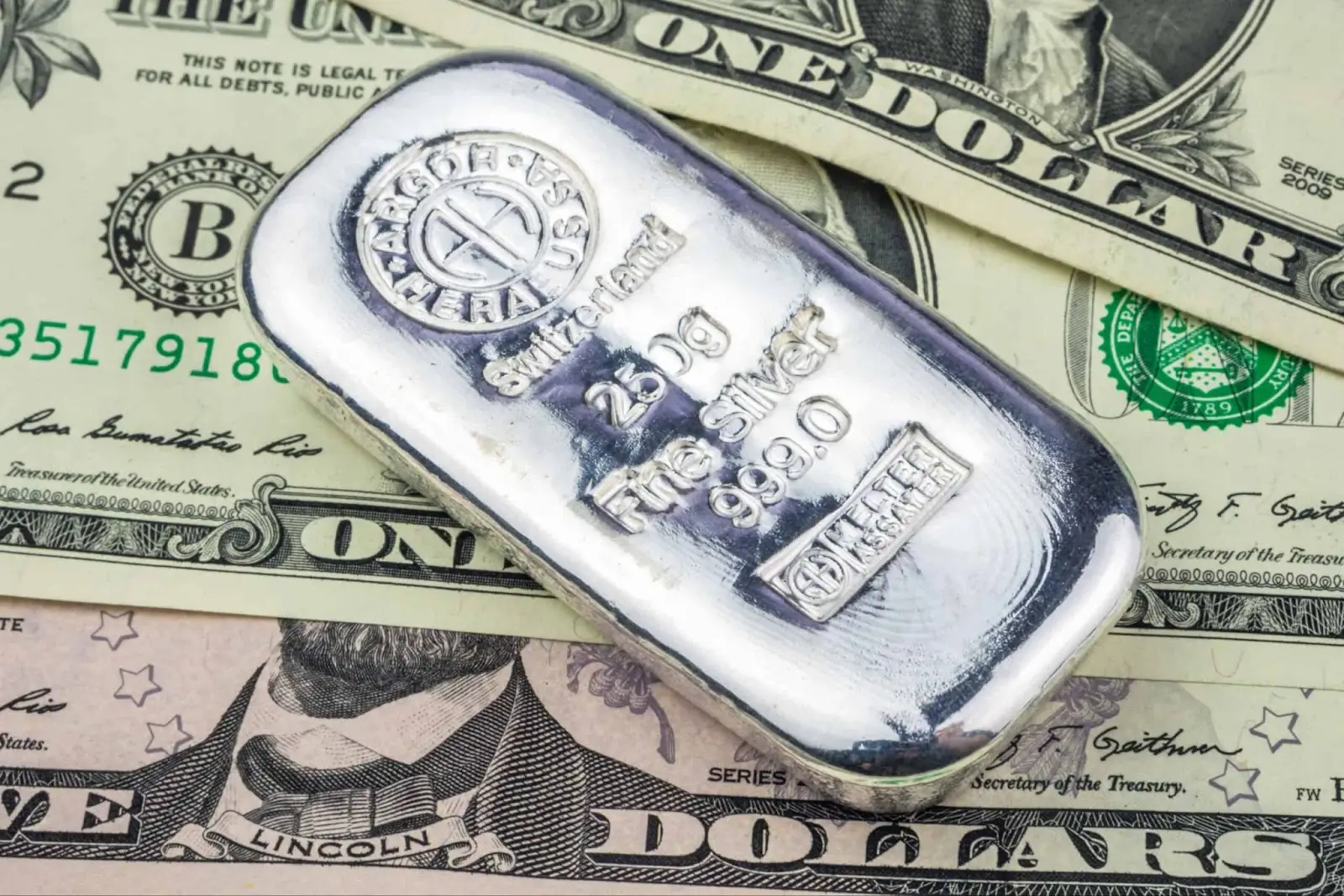
Among precious metals, silver often plays second fiddle to gold. Yet, for traders and analysts, the silver–U.S. dollar (USD) relationship is just as important to watch. While gold is seen as a traditional safe-haven, silver straddles a dual role — both as a monetary asset and an industrial metal. This unique positioning makes its correlation with the dollar more complex, but also highly valuable for traders seeking signals in both forex and commodities markets.
Why Silver and the Dollar Are Linked
Silver is priced globally in USD. As with most commodities, this creates an inverse relationship:
- Stronger Dollar → Silver becomes more expensive for holders of other currencies, which typically reduces demand.
- Weaker Dollar → Silver becomes cheaper for global buyers, driving demand upward and lifting prices.
However, silver’s industrial demand adds another dimension, making its movements less predictable than gold.
Silver’s Dual Identity: Industrial vs. Monetary Asset
- Industrial Demand
- Nearly 50% of silver demand comes from industrial applications: solar panels, electronics, electric vehicles, and medical technology. This makes silver prices sensitive not just to the dollar, but also to global growth cycles.
- For example, in periods of strong global manufacturing growth, silver may rise even when the dollar is strong, defying the typical inverse correlation.
- Monetary and Investment Demand
- Like gold, silver is viewed as a hedge against inflation and currency debasement. In times of dollar weakness, investors often flock to silver alongside gold, lifting prices sharply.
Historical Trends in Silver–USD Correlation
- 2008 Global Financial Crisis: The dollar surged as a safe-haven, while silver plunged initially due to weak industrial demand. But as central banks injected liquidity, silver rallied strongly, reflecting both monetary demand and dollar weakness.
- 2020 Pandemic: A weaker dollar, coupled with booming demand for solar energy projects and investment inflows, drove silver to its highest level in nearly a decade.
- 2022 Fed Tightening Cycle: A surging dollar weighed heavily on silver prices, highlighting how rate hikes and dollar strength suppress precious metals.
Why Traders Watch This Pairing
- Hedging Inflation Risks
- When the dollar weakens, inflation concerns rise, and silver becomes a natural hedge. Traders often use the silver–USD relationship as a barometer of inflationary expectations.
- Cross-Market Signals
- The silver-dollar dynamic provides clues about both risk appetite and industrial health. Strong silver prices amid a weak dollar may indicate economic optimism.
- Volatility Opportunities
- Silver is notoriously more volatile than gold. This higher beta makes its USD correlation a prime target for short-term traders looking for momentum plays.
Silver vs. Gold: The Trader’s Perspective
Although both metals move inversely to the dollar, silver often shows sharper swings due to its industrial exposure. The gold-to-silver ratio (GSR) is a widely watched metric: when the dollar weakens and the GSR falls, it suggests silver is outperforming gold, signaling risk appetite in the commodities space.
The Outlook Ahead
As the global economy transitions toward clean energy and electrification, silver’s industrial demand is expected to remain robust. At the same time, any long-term weakening of the dollar due to rising debt or dovish monetary policy would act as a tailwind for silver. Traders, therefore, keep a close eye on USD trends when forecasting silver prices.
Conclusion
The silver–USD relationship is one of the most dynamic pairings in financial markets. While the inverse correlation holds true in many cases, silver’s unique role as both an industrial and monetary asset introduces additional complexity. For traders, this means greater volatility — but also greater opportunity.
In a world where the dollar remains the dominant reserve currency, and silver’s role in green technologies continues to expand, this pairing is likely to remain a critical focus for investors and analysts alike.