Bitcoin miner Cango has sold a significant portion of its bitcoin holdings during the recent market downturn, raising roughly $305 million as it accelerates a strategic shift away from pure crypto mining and toward artificial intelligence computing infrastructure. The move highlights a broader trend among miners seeking new revenue streams as volatility and competition weigh on the sector.
Cango said it sold 4,451 bitcoin over the weekend, generating proceeds in USDT that it plans to use to reduce leverage and fund expansion into AI focused operations. Based on the disclosed figures, the average sale price was around $68,500 per coin, close to recent multi year lows for bitcoin. Despite the large transaction, the company’s shares were little changed in early week trading, though they remain sharply lower on a year over year basis.
The company described the decision as part of a broader assessment of market conditions and long term strategy. Management said strengthening the balance sheet was a priority as Cango prepares to reposition itself around AI compute services rather than relying primarily on bitcoin mining revenues, which have become increasingly sensitive to energy costs, network difficulty, and price swings.
A portion of the proceeds from the bitcoin sale was used to repay a bitcoin collateralized loan, reducing financial risk and freeing up capacity for new investments. Even after the sale, Cango retains a sizable crypto position, holding 3,645 bitcoin valued at more than $250 million at current prices, according to industry data.
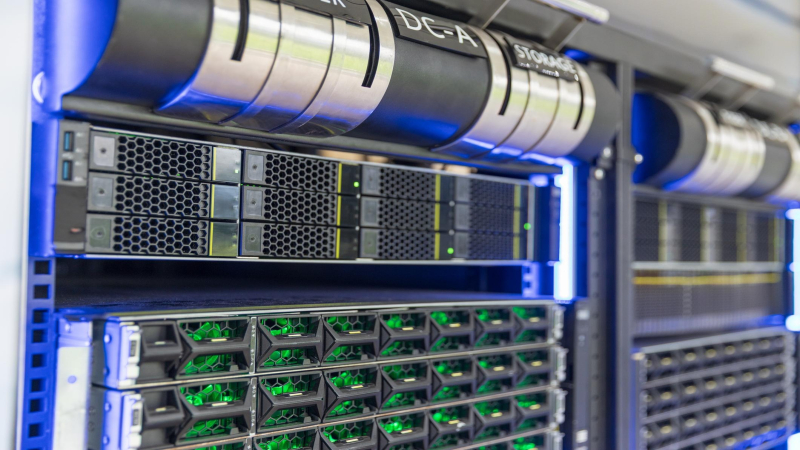
Cango’s AI strategy centers on deploying modular GPU units across a network of more than 40 global sites. The company aims to offer on demand AI inference capacity to small and mid sized businesses that lack the resources to build their own computing infrastructure. By focusing on modular deployments, Cango says it can scale capacity more flexibly and respond faster to shifts in demand.
The company argues that it is well positioned to benefit from what it sees as a growing gap between rising demand for AI compute power and the limitations of existing grid and data center capacity. That imbalance, Cango believes, creates an opportunity for operators with access to power, cooling, and global sites to repurpose mining infrastructure for higher value workloads.
Cango is part of a growing group of bitcoin miners rethinking their business models. As the economics of mining become more challenging, several firms are reallocating capital and equipment toward high performance computing and AI data center services. This transition is reshaping how investors view the sector, with traditional mining metrics giving way to questions about execution, customer acquisition, and margins in the AI space.
Some peers have gone even further. Bitfarms has said it plans to exit crypto mining entirely by around 2027 as it pivots to AI and high performance computing. Other miners including Bitdeer and Hive Digital, have also flagged greater exposure to AI workloads.
Analysts caution that while the AI opportunity is attractive, execution risks are significant. Monetizing AI infrastructure requires different expertise, customer relationships, and operational discipline than bitcoin mining. Still, Cango’s decisive sale of bitcoin during a market slump underscores how urgently some miners are repositioning themselves for a future where AI, rather than crypto alone, drives growth.