Washington D.C., September 14, 2025 – In late 2018, the U.S. dollar stood tall as the Federal Reserve’s tightening cycle fueled investor demand for the greenback. But within a year, the landscape shifted dramatically. The Fed’s abrupt policy pivot — moving from interest rate hikes to a rapid easing cycle reversed much of the dollar’s momentum and reshaped the global currency markets. The episode remains a case study in how central bank policy shifts can influence the world’s most important currency.
The Dollar Rally of 2018
By early 2018, the Federal Reserve had signaled confidence in the U.S. economy, pushing forward with its plan to normalize policy after years of near-zero rates. With unemployment below 4% and inflation approaching the Fed’s 2% target, markets expected a steady path of rate hikes.
The dollar index (DXY) responded accordingly, climbing over 8% between April and December 2018. Higher yields on U.S. Treasuries drew global capital, especially as other central banks like the European Central Bank (ECB) and Bank of Japan (BOJ) kept policy ultra-loose.
At the time, the “strong dollar” narrative was supported by robust growth and a widening interest rate differential between the U.S. and its peers. Emerging market currencies such as the Turkish lira and Argentine peso came under severe pressure as capital flowed back into dollar-denominated assets.
Cracks in the Rally
Yet beneath the surface, risks were mounting. By the final quarter of 2018, equity markets sold off sharply amid concerns about a global slowdown and escalating U.S.-China trade tensions. Investors began to worry that the Fed’s aggressive hiking path was overshooting, tightening financial conditions too much.
The turning point came in December 2018, when the Fed raised rates for the fourth time that year but signaled fewer hikes ahead. Markets viewed the move as a reluctant acknowledgment of growing risks. The dollar briefly held its ground, but expectations of a policy shift were building.
The Fed Pivot of 2019
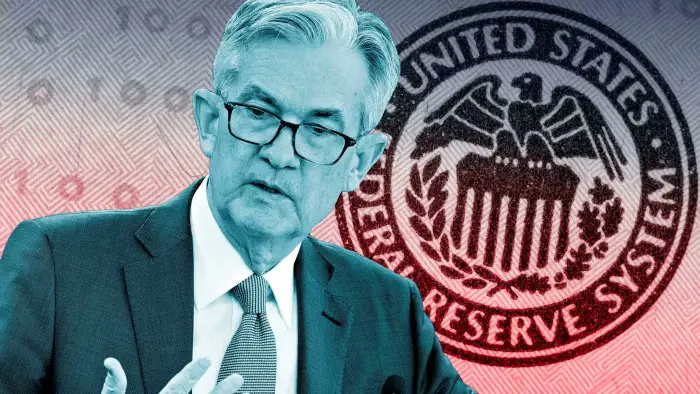
In January 2019, Federal Reserve Chair Jerome Powell made headlines when he declared the Fed would be “patient” with future rate hikes. It was a significant departure from the “automatic pilot” tightening rhetoric of 2018. Investors immediately interpreted this as a signal of a looming policy reversal.
By mid-2019, the Fed confirmed the shift. Between July and October, the central bank delivered three consecutive 25-basis-point rate cuts, marking the first easing cycle since the global financial crisis.
The cuts were aimed at insuring the economy against downside risks, including trade disputes, slowing global growth, and muted inflation. The U.S. economy remained relatively resilient, but the Fed was clearly moving to protect against a deeper downturn.
Impact on the Dollar
The shift in policy had a visible impact on the dollar’s trajectory. While the DXY had peaked around 97–98 in late 2018, it struggled to extend gains once the Fed pivot became clear. The dollar weakened against safe havens such as the Japanese yen and Swiss franc, while emerging market currencies found relief after a year of heavy selling pressure.
Global investors recalibrated, seeking opportunities outside of the U.S. as yield differentials narrowed. Commodity-linked currencies such as the Australian dollar and Canadian dollar benefited from improved risk sentiment. Meanwhile, gold prices — often inversely correlated with the dollar — rallied more than 18% in 2019 as rate cuts reduced the greenback’s appeal.
A Lesson in Policy Sensitivity
The 2018–2019 episode underscored how sensitive the dollar is to shifts in Fed policy. Even modest changes in forward guidance triggered large currency moves as traders reassessed relative yield advantages.
“The pivot showed how quickly the dollar’s momentum can reverse once the Fed changes course,” said a New York–based forex strategist. “It was a reminder that the Fed’s credibility and flexibility are as important as the rate levels themselves.”
Broader Implications
For global markets, the pivot had two key consequences:
- Relief for Emerging Markets: Countries that had suffered capital flight in 2018 saw inflows return as U.S. rates fell.
- Repricing of Risk Assets: Lower borrowing costs boosted equities and commodities, setting the stage for market recoveries in 2019.
Some analysts argue the Fed’s pre-emptive easing helped stabilize global growth ahead of the COVID-19 pandemic shock, buying the world economy valuable time.
Conclusion
The Fed’s pivot from tightening in 2018 to cutting rates in 2019 remains a defining moment in modern monetary history. What began as a strong dollar rally fueled by aggressive hikes ended with a policy U-turn that weakened the greenback and shifted global capital flows.
For traders and policymakers alike, the episode is a vivid reminder: in the battle between markets and the Fed, it is often policy flexibility — not rigidity — that determines the fate of the world’s reserve currency.