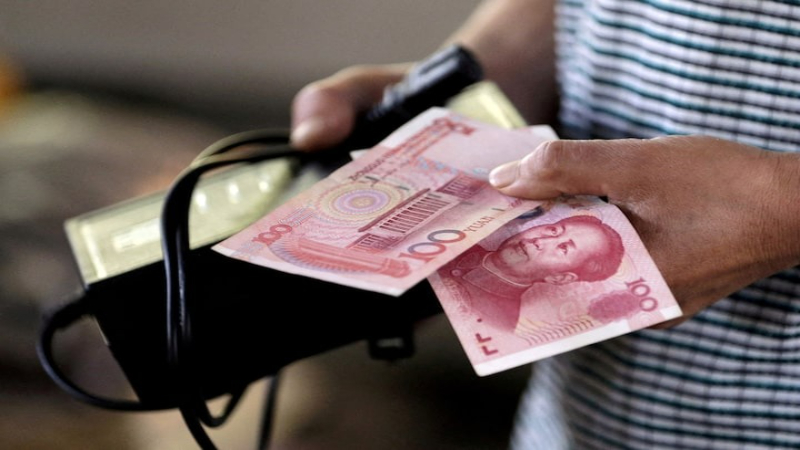
China’s yuan remained steady on Friday and is on course to record its longest weekly winning streak against the U.S. dollar in nearly thirteen years, supported by strong export performance and a softer greenback. While short term trading showed mild caution, analysts say broader fundamentals continue to favor the Chinese currency.
In onshore trading, the yuan edged slightly lower during the session but stayed within a narrow range, reflecting subdued market activity ahead of holidays. Offshore, the currency traded marginally stronger, mirroring resilience seen throughout the week. Taken together, the moves leave the yuan up around 0.2 percent on the week and heading toward its eleventh consecutive weekly gain, a run not seen since early 2013.
Market participants attribute the currency’s strength to a combination of external and domestic factors. A weaker dollar globally has played a key role, as investors reassess U.S. growth prospects and interest rate expectations. At the same time, China’s export sector has delivered solid results, providing a steady flow of foreign exchange and supporting the currency through trade related conversions.
Seasonal demand has also contributed. Analysts note that exporters typically increase dollar to yuan conversions ahead of holiday periods, boosting demand for the local currency. According to strategists at major Chinese banks, these flows have remained consistent in recent weeks, offsetting concerns about slower domestic growth and uneven investor sentiment.
The People’s Bank of China continued to guide the currency cautiously. The central bank set the daily midpoint weaker than market estimates, signaling a preference for stability rather than rapid appreciation. Under China’s managed float system, the spot yuan is allowed to trade within a two percent band around the midpoint, giving policymakers room to smooth volatility without reversing the broader trend.
Liquidity conditions have drawn attention as well. Measures of onshore dollar funding costs tightened to their most restrictive levels since mid 2023. Traders said part of the squeeze was linked to capital being sent offshore to meet margin requirements during recent volatility in precious metals markets. Despite the tightness, there were no signs of stress severe enough to disrupt currency trading.
Globally, the U.S. dollar has shown mixed performance. The dollar index slipped modestly on Friday but remains on track for a strong weekly showing, reflecting broader risk aversion tied to sharp moves in equities and commodities. That backdrop suggests the yuan’s advance has occurred despite, rather than because of, short term dollar strength.
Looking ahead, analysts expect the pace of appreciation to moderate. Reduced liquidity during holiday closures, combined with potential swings in the dollar, could slow gains in the near term. Still, the underlying drivers of the rally remain intact, particularly if exports continue to outperform expectations and capital outflows stay contained.
For policymakers, the current environment presents a balancing act. A stable but not overly strong yuan helps support exporters while reinforcing confidence in China’s financial markets. If the streak extends into coming weeks, it would mark a notable shift after years of intermittent depreciation pressure.