Introduction
For more than seven decades, the U.S. dollar has been the world’s most powerful currency. It fuels international trade, underpins global reserves, and sets the benchmark for trust in financial markets. But in today’s fast-shifting digital age, the dollar faces new challenges—and opportunities—that will determine whether it continues to reign supreme in the future of money.
From the rise of cryptocurrencies to the development of central bank digital currencies (CBDCs), the way the world understands and uses money is undergoing a historic transformation. The question is no longer if the financial system will change, but how quickly—and how far—the dollar can adapt.
The Historical Role of the Dollar
The dollar became the world’s reserve currency after World War II, formalized by the Bretton Woods Agreement in 1944. Even after the U.S. cut ties between the dollar and gold in 1971, its dominance grew stronger. Today, about 60% of global foreign exchange reserves are held in U.S. dollars, and over 80% of international trade transactions are settled in dollars.
This dominance gave the U.S. unparalleled economic leverage. Oil is priced in dollars, emerging markets borrow in dollars, and central banks stockpile dollars to stabilize their economies. But in the digital age, this dominance is no longer guaranteed.
The Digital Transformation of Money
We are entering an era where money itself is becoming digital. This shift is driven by three major forces:
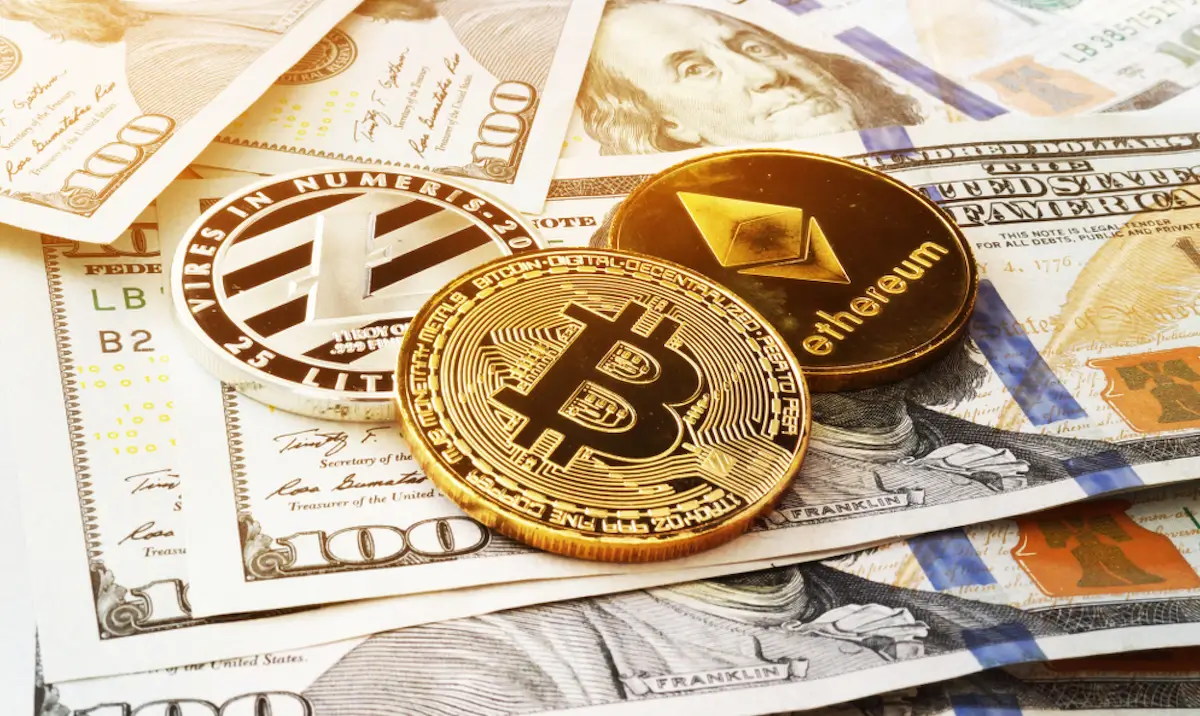
- Cryptocurrencies – Bitcoin, Ethereum, and thousands of other tokens have created decentralized alternatives to government-issued money. While most remain volatile, they’ve forced central banks to rethink the very definition of currency.
- Stablecoins – Digital assets pegged to fiat currencies (like the dollar) provide the stability needed for practical everyday use. Their rise shows demand for faster, borderless transactions.
- CBDCs (Central Bank Digital Currencies) – More than 130 countries are exploring CBDCs, with China’s digital yuan already in large-scale trials. The U.S. is cautiously researching a digital dollar, knowing its delay could mean losing ground.
Challenges to the Dollar’s Dominance
The U.S. dollar’s supremacy is not written in stone. Several trends could reshape the global currency landscape:
- Geopolitical competition – Countries like China and Russia are actively seeking ways to reduce dependency on the dollar, promoting alternatives such as the yuan and local-currency trade agreements.
- Technological innovation – If other nations launch advanced CBDCs before the U.S., they could capture a significant share of global payments.
- Private innovation in stablecoins – Companies launching their own dollar-backed coins (such as USDC, Tether, and new entrants like RMBT) might play a role in reducing reliance on traditional dollar systems.
- Erosion of trust – Rising U.S. debt and political polarization could gradually weaken global confidence in the dollar.
Opportunities for the Dollar in a Digital Era
While challenges exist, the dollar also has powerful advantages in this new financial era:
- First-mover advantage in stablecoins – The majority of stablecoins today are pegged to the U.S. dollar. This means digital finance, ironically, is expanding the dollar’s global reach rather than replacing it.
- Deep financial markets – The U.S. still has the largest, most liquid capital markets in the world, which makes holding dollars attractive for investors and governments alike.
- Innovation ecosystem – American tech companies and fintech startups remain at the forefront of blockchain and payments innovation. If aligned with regulators, they could solidify the dollar’s role in digital finance.
The Role of Stablecoins and Projects Like RMBT
Stablecoins may become the bridge between the traditional dollar and the digital world. By combining the stability of fiat with the speed and accessibility of blockchain, they can modernize how global payments work.
For instance, RMBT positions itself as a highly secure and globally accessible stablecoin with a strong focus on transparency. Unlike traditional fiat transfers that can take days, RMBT transactions happen in seconds—while still maintaining a peg to stable value.
Such innovations don’t replace the dollar—they extend its reach. They ensure that the U.S. currency doesn’t just survive but thrives in a future where money is instant, borderless, and digital.
What Experts Predict
Leading economists and institutions suggest three possible futures for the dollar:
- Digital Reinvention – The U.S. launches a digital dollar, keeping pace with rivals like China and embedding the dollar deeper into the digital economy.
- Shared Dominance – The dollar remains important but shares the stage with other digital assets like the euro, yuan, and global stablecoins.
- Gradual Decline – If the U.S. fails to adapt, its share in global reserves could slowly erode, weakening its financial and geopolitical power.
The most likely scenario? A hybrid system, where the traditional dollar, a digital dollar, and dollar-pegged stablecoins coexist, reinforcing the greenback’s central role.
Conclusion
The U.S. dollar is at a crossroads. Its history, trust, and global dominance give it an edge, but the digital era is unforgiving to systems that resist change. Whether through a U.S.-backed CBDC, private stablecoins like RMBT, or a blend of both, the dollar’s survival depends on its ability to adapt.
In the coming decade, the true test will be whether the dollar can evolve fast enough to remain not just the currency of the past and present, but also the currency of the digital future.