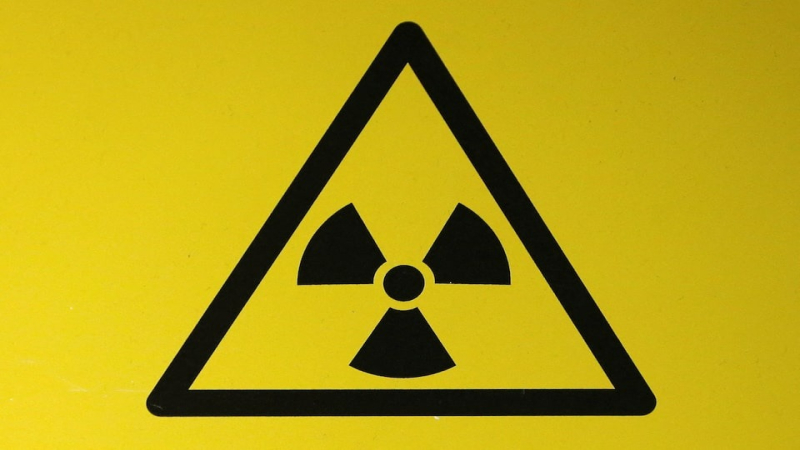
The United States is considering a significant shift in nuclear energy policy by exploring agreements with individual states to host nuclear waste storage facilities in exchange for incentives to support new nuclear power development. The initiative comes as federal authorities seek solutions to a long standing waste management challenge that has constrained the growth of the nuclear sector for decades. With electricity demand rising due to data centers, artificial intelligence infrastructure, and digital asset activity, policymakers are increasingly focused on expanding reliable baseload power. Nuclear energy has reemerged as a strategic option, but unresolved waste storage issues remain a central obstacle. Encouraging states to voluntarily engage in discussions represents a move away from a single national repository model toward a more decentralized, consent based approach that aligns energy expansion goals with local economic incentives.
The proposed strategy reflects the administration’s ambition to significantly expand nuclear capacity over the coming decades, positioning atomic power as a pillar of long term energy security. By linking waste storage agreements with support for reactor construction, officials aim to align state level economic interests with national energy priorities. Nuclear waste is currently stored at operating plant sites, a temporary solution that has fueled local opposition and regulatory delays. Offering incentives could help overcome resistance by pairing waste hosting with investment, employment, and infrastructure benefits. However, federal officials have emphasized that discussions remain preliminary, with no binding commitments or final decisions in place, underscoring the political sensitivity surrounding radioactive material storage.
This approach would also mark a departure from earlier efforts centered on a single permanent repository, which stalled after years of political and legal opposition. Billions of dollars have already been spent on prior plans that failed to secure lasting consensus, leaving the country without a long term disposal solution. Since then, policymakers have shifted toward voluntary participation models that prioritize dialogue and flexibility. Under the current framework, states would not be required to accept every component of a potential agreement, allowing for selective engagement. The inclusion of incentives related to fuel recycling and enrichment also signals broader ambitions to strengthen the domestic nuclear fuel cycle, though these elements carry their own economic and security considerations.
Despite renewed momentum around nuclear power, the proposal is likely to face scrutiny from environmental groups, local communities, and nonproliferation advocates. Concerns over safety, long term contamination risks, and security remain central to the public debate. Critics argue that expanding waste storage without a permanent disposal solution could deepen future liabilities, while supporters contend that modern technologies and oversight can manage risks effectively. The initiative highlights the growing tension between energy transition demands and legacy challenges within the nuclear sector. As discussions unfold, investor and industry attention will focus on whether incentives can meaningfully accelerate nuclear development while navigating the complex regulatory and political landscape surrounding radioactive waste.