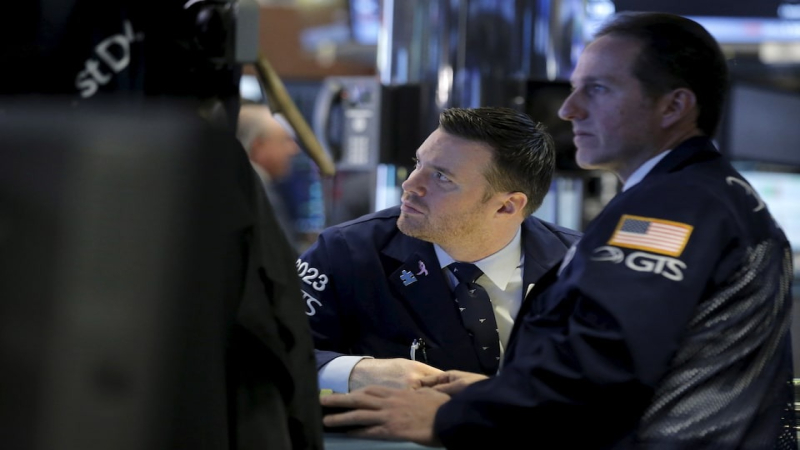
Global financial markets saw a broad relief driven rebound as investor sentiment improved following signals that trade tensions tied to Arctic geopolitics would ease rather than escalate. U.S. equities led gains, with stocks advancing sharply while government bond yields declined, reflecting a renewed appetite for risk assets. The shift came as policy signals reduced fears of imminent tariffs on European economies, calming markets that had been unsettled by recent volatility and aggressive rhetoric. Investors interpreted the developments less as a geopolitical breakthrough and more as a reduction in downside economic risk, allowing attention to return to growth prospects and earnings momentum. The move highlighted how sensitive global markets remain to policy direction, particularly when trade measures threaten to disrupt supply chains, inflation trends, and cross border capital flows.
Market gains were not confined to the United States, although Wall Street showed the strongest response. Several emerging markets advanced as risk appetite improved, while currency markets reflected a modest recovery in the dollar alongside strength in higher yielding and commodity linked currencies. Bond markets also reacted positively, with longer dated U.S. Treasury yields declining as demand strengthened, supported by solid auction results. The pullback in yields suggested investors saw reduced pressure on inflation and borrowing costs if new tariffs were avoided. Commodities delivered mixed signals, with energy prices edging higher while precious metals showed volatility, underscoring how geopolitical uncertainty continues to influence safe haven demand even during risk on sessions.
Beyond headline driven relief, markets continued to digest broader structural tensions shaping the global outlook. Transatlantic relations remain strained, with investors aware that diplomatic cooling does not necessarily resolve deeper policy divergences between the United States and Europe. Public disagreements among political and financial leaders have added to uncertainty around future coordination on trade, defense, and economic governance. While the immediate risk of tariff escalation has diminished, markets are factoring in the possibility of renewed friction as negotiations evolve. This backdrop has reinforced a cautious but opportunistic approach among investors, who are increasingly responsive to short term policy signals while remaining mindful of longer term fragmentation risks.
Attention has also turned toward domestic U.S. policy debates and their implications for markets, particularly surrounding monetary independence and regulatory intervention. Legal uncertainty involving central bank leadership has contributed to volatility in interest rate expectations, as investors weigh the potential impact on inflation control and market credibility. At the same time, proposals affecting consumer finance and corporate regulation have drawn concern from financial executives, who warn that abrupt policy shifts could undermine stability. As global markets look ahead to key economic data releases and central bank decisions, the recent rally underscores how quickly sentiment can recover when immediate policy risks recede, even as underlying uncertainties remain unresolved.