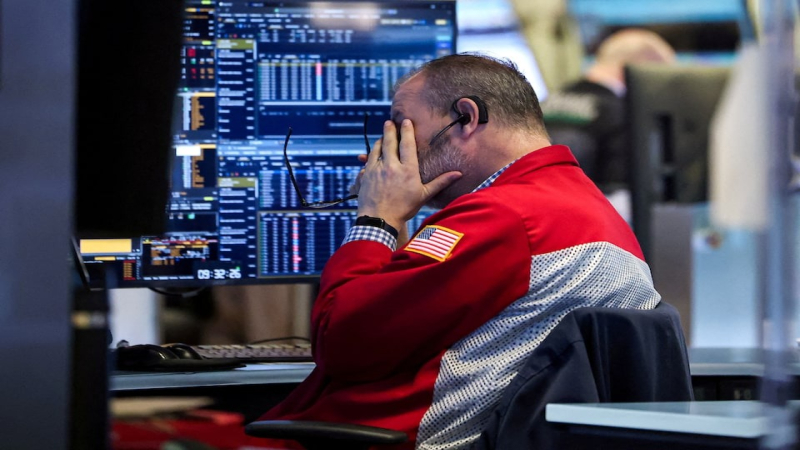
U.S. equities staged a strong recovery as Wall Street closed higher following a sharp selloff a day earlier, with investors encouraged by signs of easing trade tensions and renewed confidence in economic fundamentals. Market sentiment improved after signals that potential tariffs linked to geopolitical negotiations would not move forward, helping stabilize risk appetite. The rebound reflected relief rather than exuberance, as investors reassessed recent volatility and shifted focus back to earnings and macro resilience. All major indexes advanced more than one percent, marking their strongest single session gains in weeks. The move underscored how sensitive markets remain to policy signals, particularly those tied to trade and foreign relations, and how quickly positioning can reverse when uncertainty eases.
The rally gathered pace after confirmation that tariff measures scheduled for early February would be set aside following progress toward a broader diplomatic framework. While details of the agreement remained limited, markets responded positively to the reduction in near term trade risk rather than the substance of the arrangement itself. Investors viewed the avoidance of new tariffs as more economically relevant than the geopolitical outcome, given the potential impact tariffs could have had on supply chains, corporate margins, and consumer prices. The episode reinforced a familiar pattern in recent years, where aggressive rhetoric initially unsettles markets before being tempered by policy recalibration, often producing sharp swings in equity momentum.
Beyond trade headlines, corporate earnings played a significant role in restoring confidence. Financial stocks were among the strongest performers as results from large regional lenders exceeded expectations, pushing banking shares to their highest levels in more than a year. Improved net interest income and resilient credit conditions helped support the sector, offering reassurance that higher rates have not yet translated into broad financial stress. Energy stocks also advanced, helping lift the broader market as colder weather boosted natural gas prices and supported earnings optimism across the sector. The broad participation across sectors suggested the rebound was not narrowly driven, but instead reflected a wider reset in sentiment.
Transportation and travel related stocks benefited from the positive tone as well, with airlines advancing after upbeat outlooks signaled stable demand and improving cost dynamics. These gains contrasted with weakness in select technology names, where cautious guidance and strategic shifts weighed on investor expectations. The mixed performance highlighted a market increasingly selective, rewarding earnings clarity while penalizing uncertainty. Despite the strong close, investors remain alert to policy driven volatility, recognizing that markets are likely to continue reacting sharply to developments tied to trade, fiscal direction, and global diplomacy in the weeks ahead.