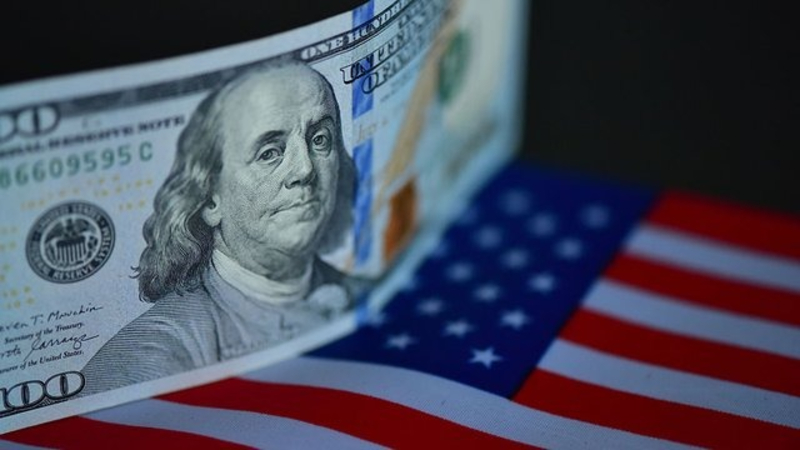
The U.S. dollar entered 2026 with a noticeably firmer tone across global foreign exchange markets. What initially appeared to be a routine adjustment in currency pricing has evolved into a broader reassessment of dollar liquidity and the durability of U.S. monetary policy. Investors are no longer focused on short term rate speculation but on how long restrictive financial conditions can persist without destabilizing growth.
This shift reflects a deeper macro recalibration rather than a tactical FX move. As global growth remains uneven and capital flows stay selective, the dollar continues to benefit from its role as the world’s primary settlement and funding currency. Liquidity conditions, rather than headline rate decisions, have become the central variable shaping FX behavior.
Dollar Liquidity Becomes the Core FX Driver
Dollar liquidity conditions have tightened gradually rather than abruptly, creating persistent pressure across funding markets. Cross currency basis swaps, offshore dollar borrowing costs, and reserve usage trends all signal that access to dollars is becoming more selective. This does not suggest a crisis but rather a controlled normalization after years of excess liquidity.
FX markets are responding by repricing currencies that rely heavily on external dollar funding. Emerging market units and trade sensitive currencies have shown increased sensitivity to U.S. financial conditions even in the absence of aggressive policy moves. The dollar’s strength is therefore less about yield advantage and more about availability.
Liquidity driven FX dynamics tend to be more durable than rate driven moves. When access to funding tightens, currency adjustments occur gradually and persist longer, reinforcing the dollar’s position even during periods of stable policy rates.
FX Markets Reprice Policy Endurance Not Policy Shifts
Rather than betting on immediate policy changes, FX participants are increasingly pricing how long current conditions can last. Expectations for quick reversals have faded as U.S. economic data continues to show resilience in consumption, employment, and financial stability metrics.
This endurance narrative supports the dollar by reducing downside risk. When markets believe restrictive conditions can persist without triggering systemic stress, there is less incentive to rotate away from the currency. This has resulted in narrower volatility bands and more directional positioning in major dollar pairs.
Importantly, this repricing is happening without excessive speculation. Positioning data suggests disciplined exposure rather than crowded trades, reinforcing the view that current dollar strength is structurally supported.
Global Growth Divergence Reinforces Dollar Demand
The global economy remains characterized by uneven recovery paths. While some regions face fiscal consolidation, weak demand, or structural headwinds, the U.S. continues to operate from a position of relative strength. This divergence amplifies demand for dollar assets as global investors seek stability and liquidity.
Trade invoicing, commodity pricing, and debt servicing all reinforce this dynamic. As long as global growth remains fragmented, the dollar benefits from its central role in financial and commercial transactions. FX markets reflect this by maintaining a premium on liquidity and safety.
This environment also discourages aggressive diversification away from the dollar. Even as reserve managers and institutions explore alternatives, practical considerations continue to anchor portfolios around dollar based instruments.
Liquidity Signals Matter More Than Headlines
One of the defining features of current FX behavior is the market’s focus on underlying liquidity signals rather than headline announcements. Balance sheet trends, funding spreads, and reserve movements now carry more weight than single data releases or policy statements.
This represents a maturation of FX pricing mechanisms. Investors are responding to real financial conditions rather than narrative driven volatility. As a result, dollar moves appear steadier and less reactive, reinforcing confidence in its role as a global anchor.
For traders and analysts, this means monitoring liquidity indicators is essential. Traditional event driven strategies are giving way to structural analysis based on funding availability and capital flow sustainability.
Conclusion
The tightening of dollar liquidity in 2026 reflects a recalibration rather than a disruption. FX markets are repricing the endurance of U.S. policy conditions, not anticipating abrupt shifts. As long as global growth remains uneven and liquidity remains selective, the dollar is likely to retain its central role, supported by structural demand rather than short term speculation.