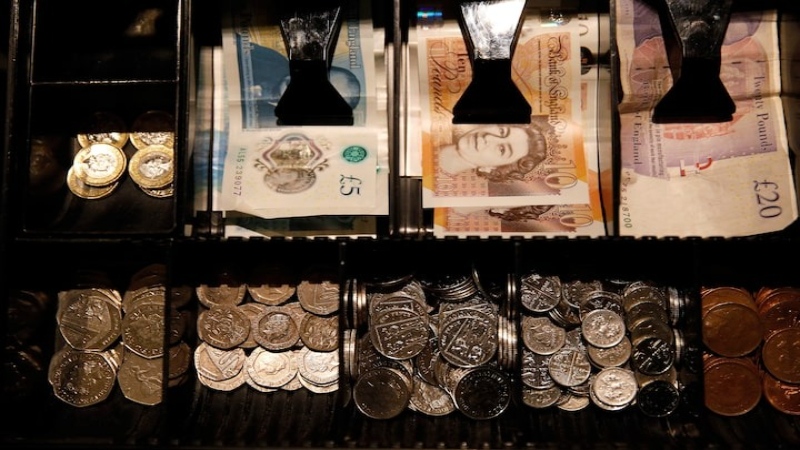
Sterling extended its advance toward the end of the week, positioning itself for a weekly gain as fresh economic data pointed to stronger momentum in the UK economy. The pound firmed against both the dollar and the euro after figures showed output expanded more than expected in November, offering relief after a period of subdued growth. The data suggested that economic activity rebounded faster than markets had anticipated, supporting confidence in the near term outlook. Currency markets responded by trimming some downside expectations for the pound, which had faced pressure earlier in the quarter from concerns over fiscal policy and slowing domestic demand. The improved tone reflected growing confidence that the UK economy may be stabilizing after months of uncertainty.
The stronger growth reading was supported by a recovery in industrial activity following temporary disruptions earlier in the year, particularly in the automotive sector. Analysts noted that the rebound indicated underlying resilience, even as businesses and consumers navigated tighter financial conditions. Importantly, the data eased fears that political uncertainty surrounding the government’s late November fiscal announcements would significantly weigh on output. With those concerns fading, investors have increasingly shifted their focus back to incoming economic indicators rather than political risk, allowing sterling to benefit from relatively positive surprises compared with other major European economies.
Interest rate expectations remain a key driver for the currency, with markets continuing to price in gradual easing by the Bank of England later this year. While investors still anticipate rate cuts, the timing has been pushed further out as recent data reduces the urgency for immediate action. Current pricing suggests limited probability of a near term move, reinforcing the pound’s stability against the euro. The perception that UK rates may stay higher for longer than previously assumed has helped support sterling, particularly as growth momentum contrasts with softer conditions across parts of the euro area.
Looking ahead, attention is likely to turn toward upcoming inflation data, which will be critical in shaping expectations around monetary policy. Until then, sterling’s performance may continue to be guided by relative growth dynamics and shifting rate expectations. With fiscal and political risks receding from the forefront, markets appear more willing to reward signs of economic resilience. While gains remain measured, the currency’s recent trajectory highlights how incremental improvements in data can translate into sustained support in foreign exchange markets during periods of global uncertainty.