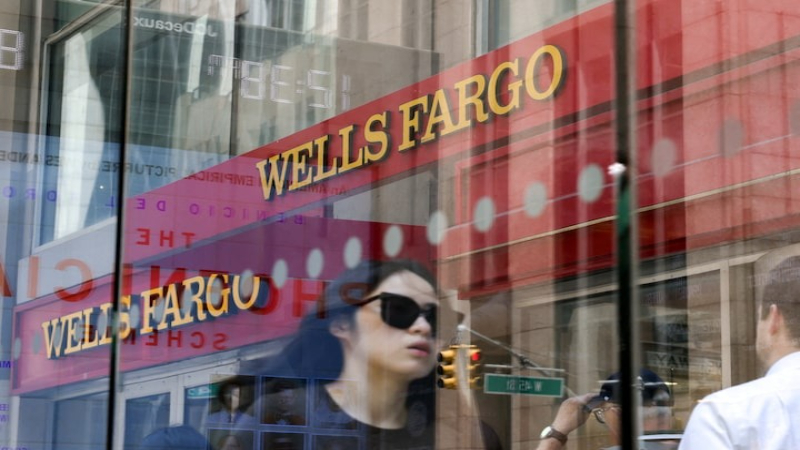
Wells Fargo reported fourth-quarter results that fell short of market expectations, sending its shares sharply lower despite an increase in interest income and signs of underlying balance sheet strength. The bank posted earnings of $1.62 per share, up from a year earlier but below analysts’ forecasts, as higher severance costs weighed on profitability. Shares dropped more than four percent, marking the lender’s steepest single-day decline in six months. The miss underscored the challenges Wells Fargo faces as it restructures operations following years of regulatory scrutiny, even as it benefits from a higher rate environment. Investors focused on the cost burden tied to workforce reductions and on guidance that pointed to slightly weaker interest income growth than the market had anticipated.
Net interest income, a key measure of bank profitability, rose four percent from a year earlier to $12.33 billion, supported by higher loan yields. However, the figure still came in below expectations, dampening optimism that Wells Fargo would quickly catch up with peers now that regulators have lifted its long-standing asset cap. For 2026, the bank forecast around $50 billion in interest income, also marginally below consensus estimates. Management said average loan growth is expected in the mid single-digit range, driven mainly by commercial lending, auto loans, and credit cards. While loan quality remains strong, the outlook suggests a more measured pace of balance sheet expansion than some investors had hoped following the removal of regulatory constraints.
A major drag on quarterly results came from $612 million in severance expenses linked to ongoing job cuts under Chief Executive Charlie Scharf’s multi-year effort to streamline the bank. Wells Fargo has steadily reduced headcount as it invests in technology and compliance while aiming to improve efficiency. The bank ended 2025 with just over 205,000 employees, continuing a trend of workforce reductions that has persisted for several years. Management said artificial intelligence will play a growing role in boosting productivity and modernizing services, even as cost discipline remains a priority. Analysts described the results as mixed, noting that while expenses are largely under control and credit metrics remain solid, revenue growth has yet to fully accelerate.
Policy uncertainty added another layer of caution to the outlook. Executives warned that proposals from President Donald Trump to cap credit card interest rates could prompt banks to rein in lending, echoing concerns raised by other major US lenders. Still, management expressed willingness to engage with policymakers as discussions evolve. The results cap a transformative year for Wells Fargo, marked by the lifting of its asset cap and assets surpassing $2 trillion for the first time. For markets, the earnings highlighted how even large US banks with improving fundamentals remain sensitive to cost pressures, regulatory shifts, and evolving policy risks.