Weekly US jobless claims unexpectedly declined last week, offering a surface-level sign of labor market stability even as underlying indicators point to subdued hiring momentum. New applications for unemployment benefits fell by 9,000 to a seasonally adjusted 198,000 for the week ended January 10, coming in well below market expectations. The decline, however, was widely attributed to ongoing difficulties in adjusting claims data for seasonal distortions around the year end period rather than a meaningful improvement in labor demand. Unadjusted claims actually rose sharply, highlighting how calendar effects continue to cloud interpretation. Economists broadly describe the labor market as stable but stagnant, with layoffs limited while hiring remains cautious. The data reinforced a pattern that has persisted into early 2026, where employment conditions are neither deteriorating rapidly nor generating enough new jobs to signal renewed expansion.
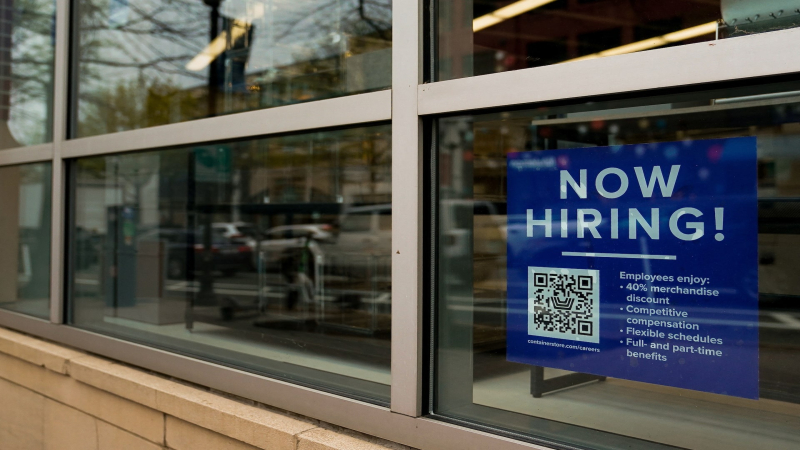
Broader indicators suggest the labor market is operating in what policymakers have described as a low-hire, low-fire environment. Businesses appear reluctant to expand payrolls as uncertainty around trade policy, immigration rules, and technology investment weighs on workforce planning. President Donald Trump’s aggressive stance on tariffs and border enforcement has constrained both labor supply and demand, while growing adoption of artificial intelligence has reduced the urgency to hire across some white-collar sectors. When companies do recruit, hiring is often focused on replacing departing workers rather than creating new roles. Recent commentary from the Federal Reserve indicated employment levels were largely unchanged across regions in early January, with increased reliance on temporary staff as firms seek flexibility amid an uncertain outlook.
Signs of labor market softness are more evident beneath the headline claims figures. Continuing claims, which track workers still receiving unemployment benefits and serve as a proxy for hiring activity, fell modestly to just under 1.9 million but remain elevated relative to periods of stronger job growth. Economists note that continuing claims data is also affected by seasonal factors, making near-term trends difficult to assess. Government figures released earlier showed nonfarm payrolls rose by only 50,000 jobs in December, capping a year in which employment gains slowed to their weakest pace in five years. While the unemployment rate edged down to 4.4 percent, long-term unemployment remains a concern, particularly for new labor market entrants who are not eligible for benefits and face limited opportunities in a slow hiring environment.
Financial markets reacted calmly to the data, with US equities trading higher and the dollar firming against a basket of major currencies, reflecting confidence that labor conditions are cooling without signaling recession. Treasury yields were mixed as investors balanced signs of labor market restraint against steady inflation readings. Most economists expect the Fed to hold interest rates steady at its late January meeting, with potential rate cuts more likely later in the year if hiring weakens further. Inflation pressures have shown signs of easing, giving policymakers greater flexibility to respond should labor conditions deteriorate. For now, the claims data reinforces a picture of an economy treading water, where stability persists but momentum remains elusive, keeping both policymakers and markets focused on whether modest cooling turns into broader softness in the months ahead.