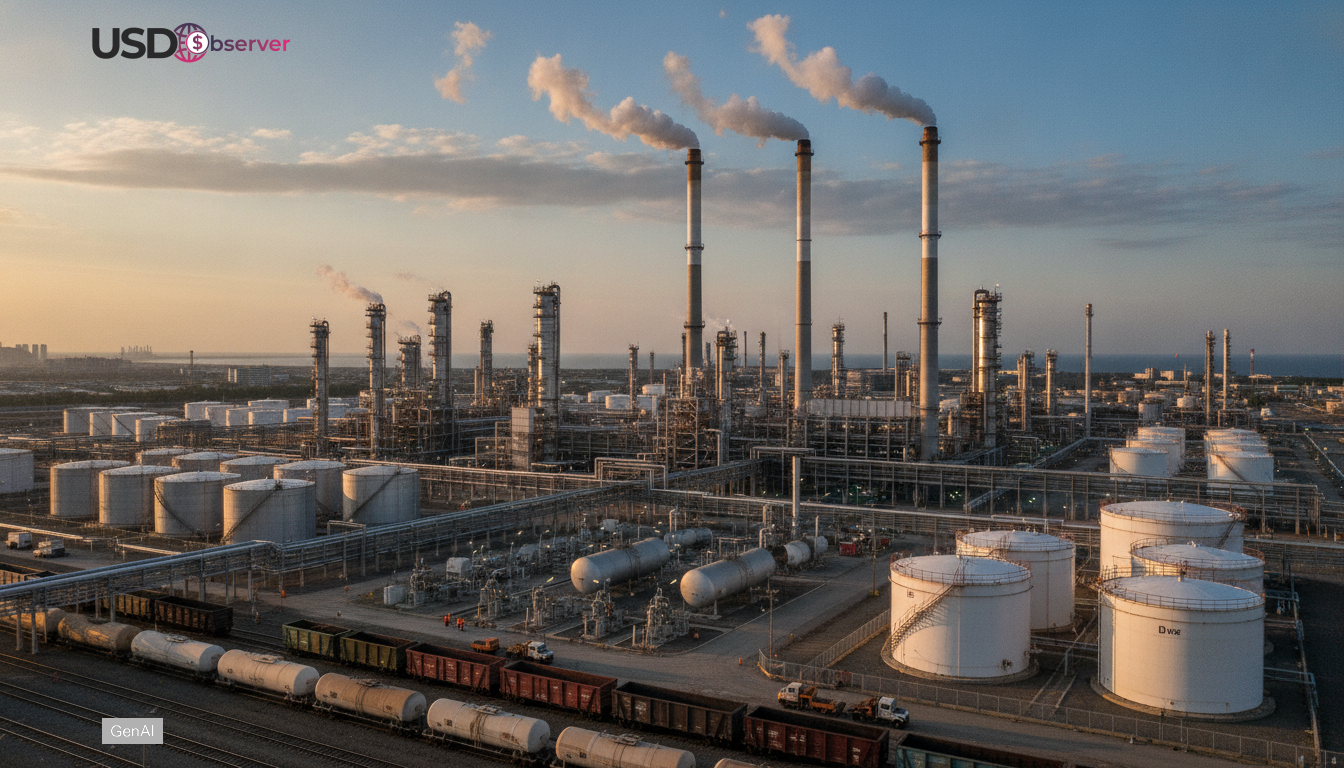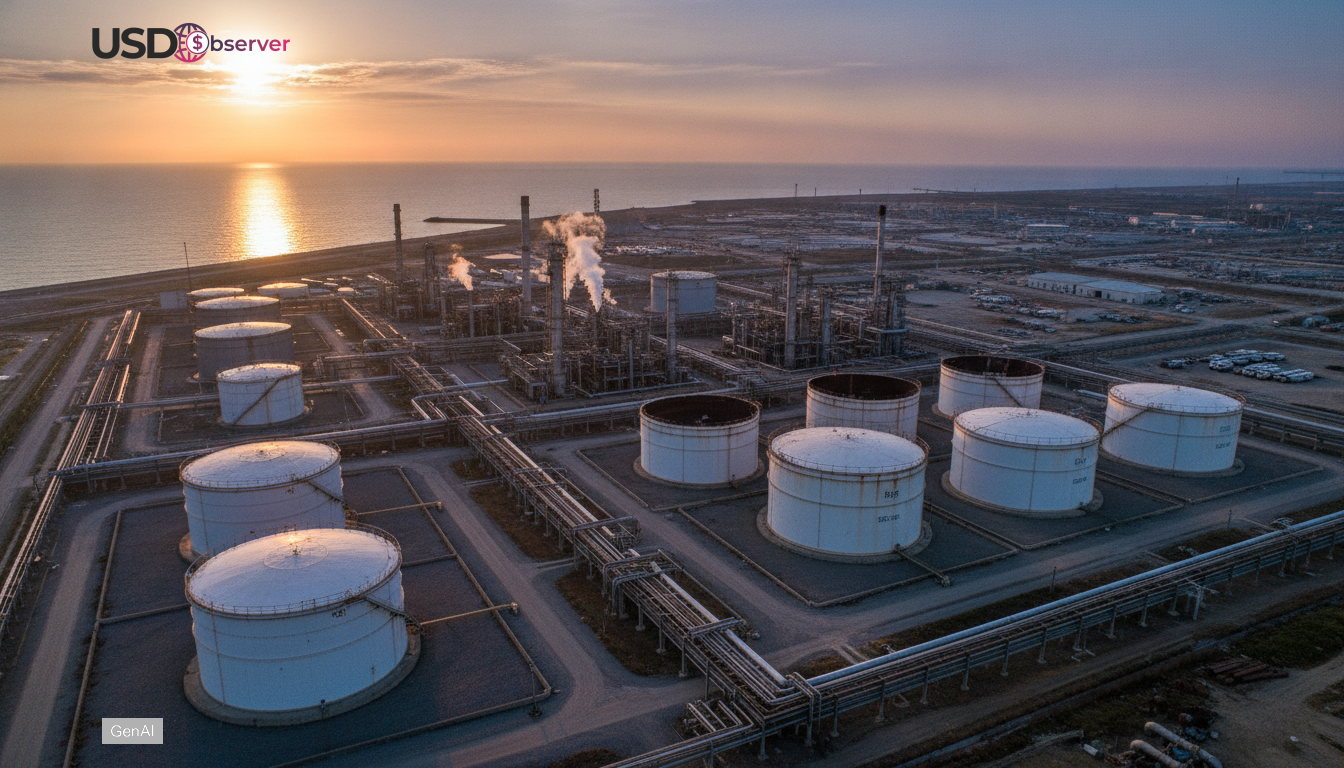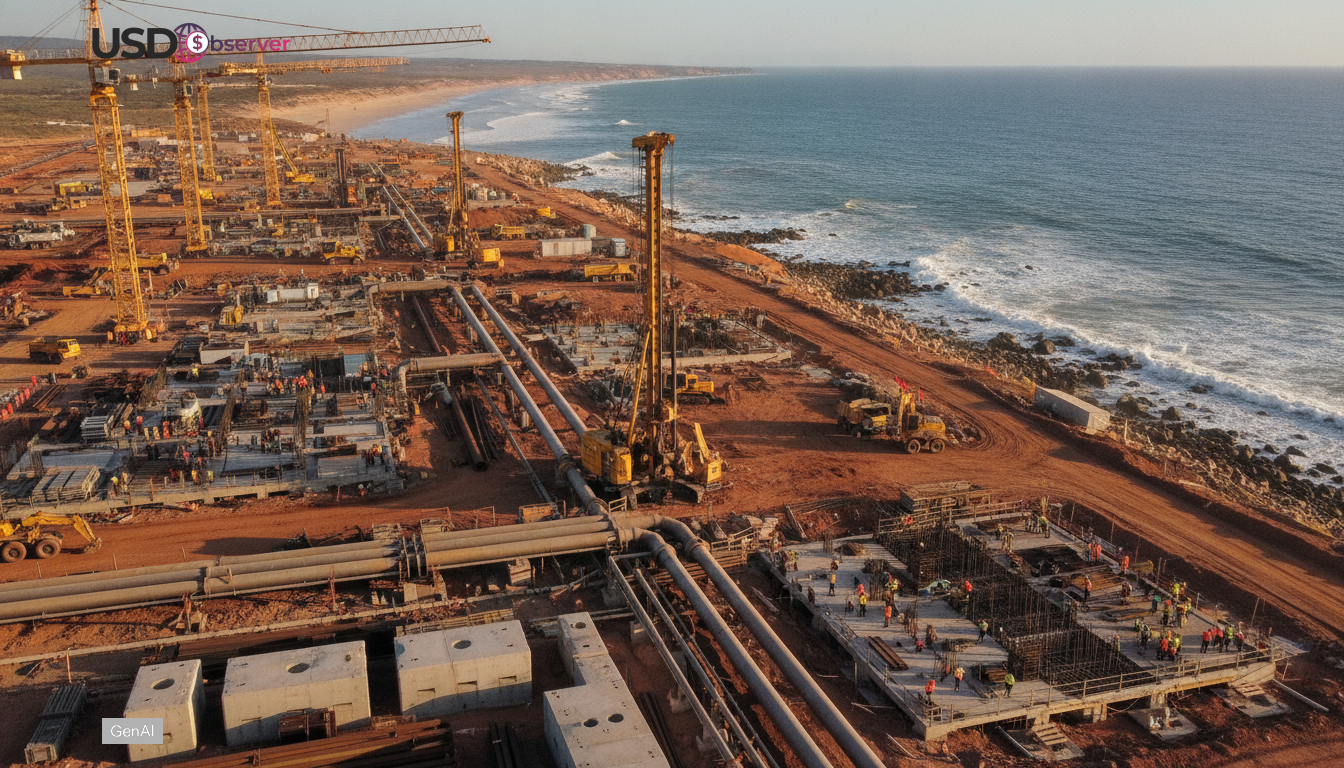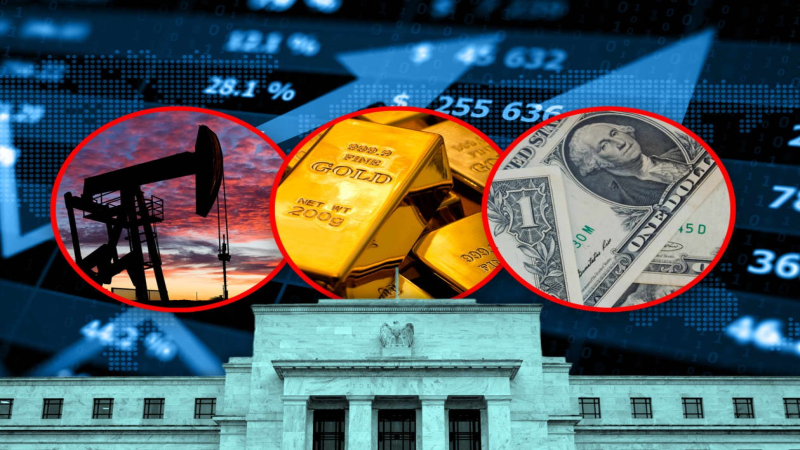
Commodity markets have shown renewed strength as 2026 begins. Oil prices have stabilized after recent volatility, industrial metals have rebounded on infrastructure demand, and energy markets are adjusting to shifting supply dynamics. Under normal assumptions, rising commodity prices would be expected to weaken the U.S. dollar by improving the terms of trade for producers and increasing inflation expectations. That relationship has not played out in a meaningful way.
Instead, the dollar has remained resilient even as commodities recover. This outcome reflects a deeper structural reality. Commodities may move in cycles, but they remain firmly embedded within a dollar centric monetary system. Price rebounds do not automatically weaken the currency that defines the system’s financial gravity.
Dollar Pricing Keeps Commodities Tied to U.S. Monetary Policy
The most important reason commodities cannot escape U.S. monetary gravity is pricing convention. Oil, metals, and most globally traded raw materials are priced and settled in dollars. This structure means that changes in U.S. interest rates and liquidity conditions directly influence commodity markets regardless of underlying supply and demand.
When U.S. monetary conditions tighten, dollar funding becomes more expensive, raising the cost of holding and financing commodities. Even if physical demand improves, tighter financial conditions can limit speculative inflows and cap price gains. Conversely, easing conditions tend to support commodities, but only when liquidity expands decisively.
This link ensures that commodity markets respond not only to physical fundamentals, but also to the broader dollar liquidity environment.
Commodity Rebounds Do Not Guarantee Dollar Weakness
The idea that rising commodities weaken the dollar assumes a simple inflation feedback loop. In practice, that relationship has become more complex. Commodity price increases can coincide with dollar strength when they reflect global supply constraints rather than overheating demand.
In recent cycles, commodity rebounds have often occurred alongside cautious growth expectations and tight financial conditions. In such environments, the dollar can strengthen as a defensive asset even as raw material prices rise. The currency responds to relative stability and yield rather than to commodity inflation alone.
This explains why commodity rallies have struggled to generate sustained dollar weakness. The macro backdrop matters more than the price move itself.
Financialization Has Increased Dollar Influence
Commodities are no longer traded purely as physical goods. They are deeply financialized assets held by hedge funds, institutions, and asset managers. These participants manage exposure based on interest rates, currency movements, and portfolio risk rather than just supply disruptions or consumption trends.
As a result, commodities behave more like financial instruments sensitive to dollar conditions. A stronger dollar raises the opportunity cost of holding commodities and reduces returns for non U.S. investors. This financial channel reinforces the dollar’s influence even during periods of strong commodity demand.
Financialization has tightened the link between commodities and U.S. monetary policy rather than loosening it.
Producers Cannot Fully Decouple From the Dollar
Commodity producers often seek to benefit from price strength, but their revenues and financing remain tied to the dollar. Many producers carry dollar denominated debt or rely on dollar based trade finance. This exposure limits their ability to benefit from currency diversification.
Even when producers explore alternative pricing mechanisms, the depth and liquidity of dollar markets remain unmatched. Hedging, insurance, and financing are still most efficient in dollar terms. As a result, attempts to reduce dollar exposure tend to be incremental rather than transformative.
The dollar’s role persists because it offers efficiency and scale that alternatives struggle to replicate.
Monetary Gravity Outweighs Physical Supply Dynamics
Physical supply disruptions can move commodity prices sharply, but they do not override monetary gravity. U.S. interest rates, inflation expectations, and liquidity conditions shape how those price moves are absorbed and sustained.
When monetary conditions are restrictive, commodity rallies tend to be shorter lived. When liquidity is ample, price increases are more durable. This pattern reinforces the idea that commodities orbit around U.S. monetary policy rather than escaping it.
The dollar does not need to weaken for commodities to rise, but it does determine how far and how fast those moves can go.
Conclusion
Oil and metals may rebound, but they remain bound to the dollar’s monetary gravity. Pricing conventions, financialization, and global liquidity ensure that U.S. monetary policy continues to shape commodity outcomes. Until the structure of global finance changes, commodities will rise and fall within a dollar centered system, not outside it.