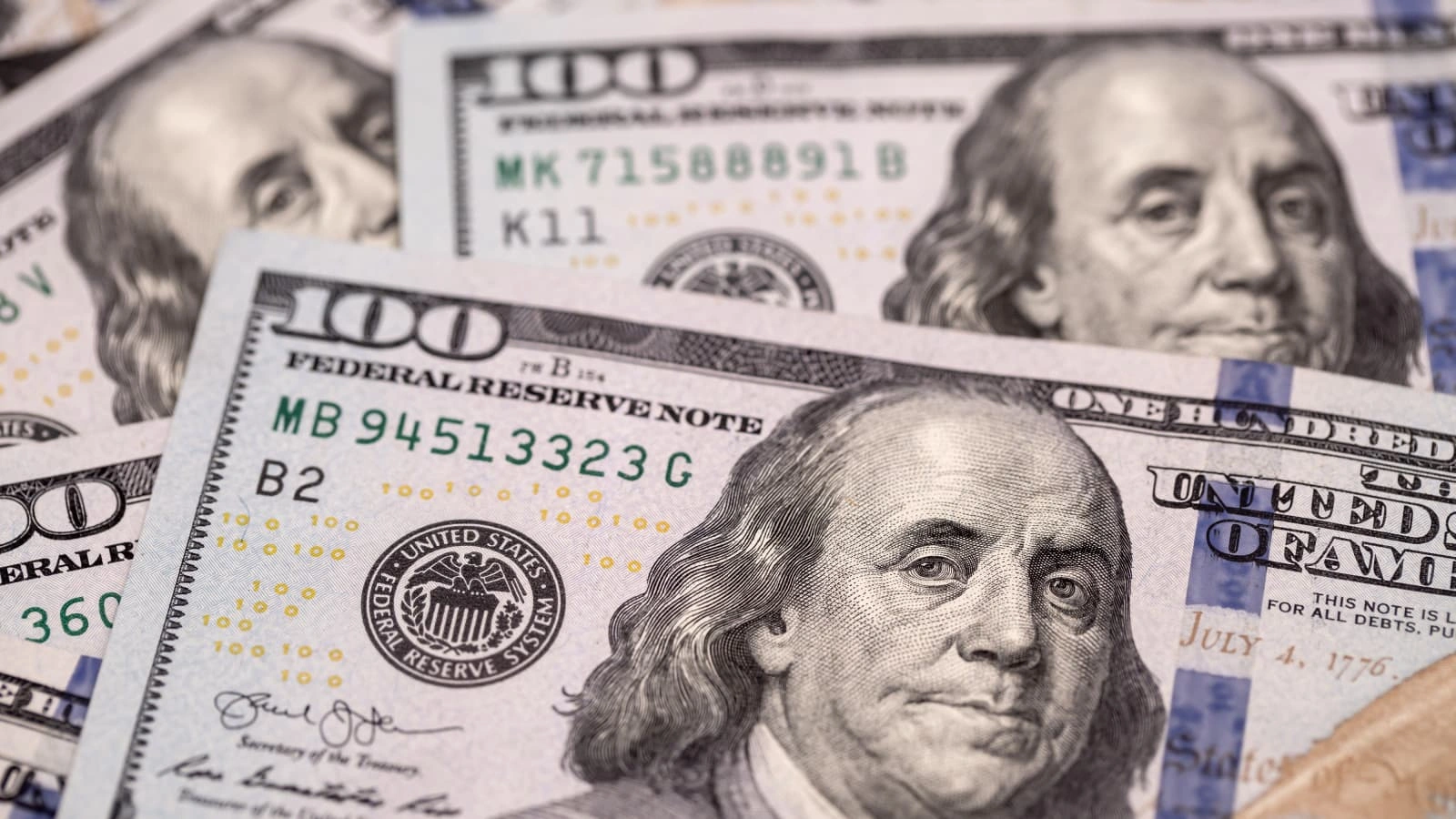
In a world marked by persistent geopolitical tension, uneven growth, and fragile confidence, global capital continues to gravitate toward the United States. Despite debates around debt levels, political polarization, and long term fiscal sustainability, the U.S. remains the preferred destination when uncertainty rises. This pattern has held into 2026, reinforcing the country’s role as the ultimate macro safe haven.
The appeal is not driven by perfection but by comparison. Investors allocate capital based on relative safety, liquidity, and institutional strength. When alternatives appear constrained or unstable, the U.S. stands out not because it is risk free, but because it offers the deepest and most reliable ecosystem for absorbing global risk.
Depth and Liquidity Remain the Core Attraction
The most important reason global capital treats the U.S. as a safe haven is the unmatched depth of its financial markets. U.S. Treasury markets, equity exchanges, and credit instruments offer scale that no other country can replicate. Large investors can move significant sums without distorting prices, a critical feature during periods of stress.
Liquidity is not just about volume, but about trust in continuous functioning. Even during episodes of global volatility, U.S. markets tend to remain open, transparent, and orderly. This reliability reinforces confidence and encourages capital inflows when conditions elsewhere deteriorate.
For institutional investors managing pensions, reserves, or sovereign wealth, the ability to enter and exit positions smoothly outweighs concerns about headline risks. Depth acts as insurance.
Geopolitical Risk Is Driving Defensive Allocation
Geopolitical uncertainty has become a persistent feature of the global landscape rather than a temporary shock. Conflicts, trade fragmentation, and strategic rivalry have increased the frequency of risk events. In response, capital allocation has become more defensive and conservative.
The U.S. benefits from this shift because it sits at the center of global security, trade, and financial networks. Even when geopolitical tensions involve the U.S. directly, markets tend to view its institutions as more resilient than those of smaller or more exposed economies.
This perception drives a flight toward U.S. assets not only during acute crises but also during prolonged periods of uncertainty. Capital seeks jurisdictions where legal protections, enforcement, and continuity are strongest.
Alternatives Face Structural Constraints
While discussions about diversification away from the U.S. are common, practical alternatives remain limited. Other major economies face their own challenges, including slower growth, demographic pressures, political fragmentation, or constrained policy flexibility.
In some regions, capital controls or regulatory uncertainty limit accessibility. In others, financial markets lack the scale required to absorb large inflows without instability. These constraints reduce the effectiveness of diversification strategies during periods of stress.
As a result, even investors seeking to reduce concentration risk often return to the U.S. when uncertainty intensifies. The absence of a true substitute reinforces the country’s safe haven status.
Policy Credibility and Institutional Continuity Matter
Another factor supporting the U.S. as a macro refuge is the credibility of its policy framework. While policy debates can be contentious, the underlying institutions remain durable. Monetary policy, fiscal management, and financial regulation operate within established systems that investors understand and trust.
Predictability does not require perfection. It requires clear rules, transparent communication, and a track record of crisis management. The U.S. continues to meet these criteria better than most peers.
This institutional continuity reduces tail risk in the eyes of global investors, making U.S. assets a preferred hedge against uncertainty elsewhere.
Capital Preservation Is Taking Priority Over Optimization
In the current environment, many investors are prioritizing capital preservation over return maximization. This shift favors assets that offer stability and liquidity rather than aggressive growth potential.
The U.S. fits this preference well. Even when returns moderate, the ability to protect capital during adverse scenarios remains highly valued. This mindset explains why capital continues to flow into U.S. markets despite widespread awareness of long term challenges.
Conclusion
Global capital still treats the U.S. as the last macro safe haven because it offers depth, liquidity, institutional strength, and geopolitical insulation that others cannot match. In an uncertain world, comparison matters more than ideals. Until credible alternatives emerge, the U.S. will remain the default destination for global risk capital.