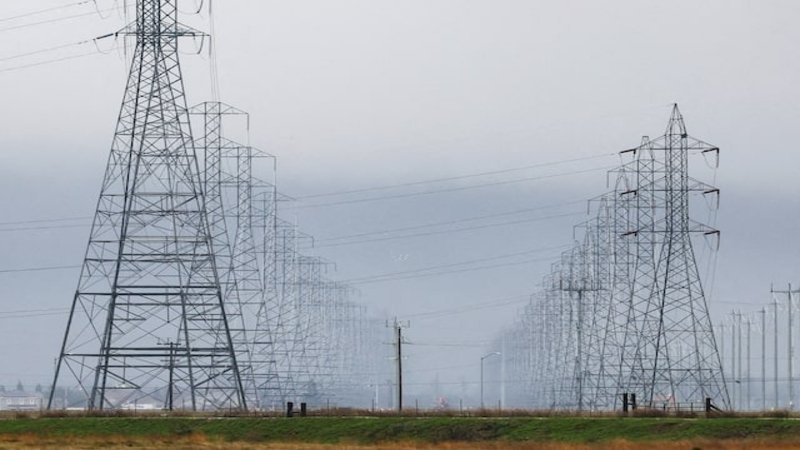
US electricity consumption is projected to climb to new record levels in 2026 and 2027, extending a trend of rising power demand as the economy becomes more energy intensive. Government forecasts show total power use increasing steadily after already reaching historic highs last year, reflecting structural changes in how energy is consumed across households and businesses. The surge is being driven by rapid expansion in data centers linked to artificial intelligence and digital services, alongside a broader shift toward electrification in heating, transportation, and industrial processes. As more sectors rely on electricity rather than fossil fuels, power demand growth is becoming less cyclical and more structural. This trend is reshaping expectations for utilities, grid operators, and energy markets, raising questions about supply adequacy, infrastructure investment, and long term pricing dynamics across the US power system.
Growth in electricity consumption is expected across all major customer segments, with residential, commercial, and industrial demand each projected to surpass previous peaks. Household electricity use continues to rise as consumers adopt electric heating, cooling, and vehicles, while commercial demand is being boosted by office buildings, data centers, and service sector activity. Industrial power consumption is also set to expand as manufacturers increase electrification and automation. These combined forces point to a more evenly distributed demand profile than in past cycles, reducing reliance on any single sector for growth. The outlook suggests utilities will face sustained pressure to expand capacity and improve grid resilience as demand growth becomes a persistent feature of the energy landscape rather than a short term fluctuation.
The projected rise in power use is also altering the mix of electricity generation. While natural gas remains the largest source of US power, its share is expected to gradually decline as renewable energy gains ground. Wind and solar generation are forecast to expand steadily, lifting renewables to a significantly larger share of the power mix by 2027. Coal’s role is expected to continue shrinking, reflecting both environmental policy trends and economic factors. Nuclear generation is projected to edge higher in the near term before stabilizing. These shifts highlight the challenge of meeting rising demand while transitioning toward cleaner energy sources, a balance that will require significant investment in generation, transmission, and storage infrastructure.
Natural gas consumption patterns are also expected to diverge across sectors as electricity demand grows. While gas use by households, commercial buildings, and industrial users is forecast to decline gradually, consumption by power generators is set to rise as gas continues to play a key role in balancing intermittent renewable output. This reinforces gas’s position as a critical transition fuel within the power sector, even as its overall share of generation slips. The outlook underscores how rising electricity demand is reshaping US energy flows, capital allocation, and policy debates. As power consumption reaches new highs, the focus is likely to intensify on grid reliability, energy security, and the pace at which infrastructure can adapt to a more electricity driven economy.