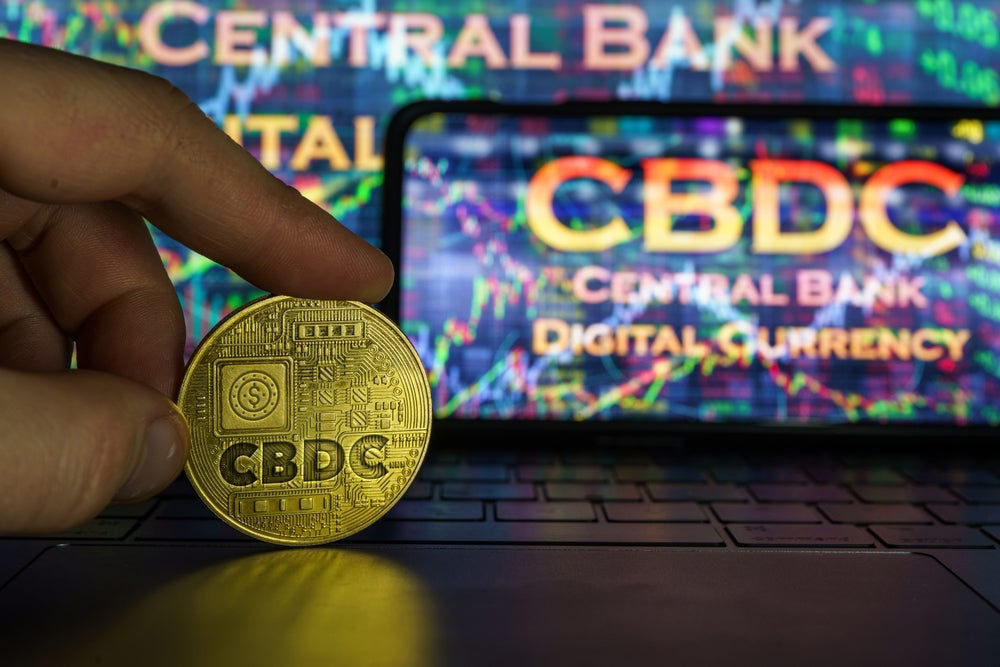
Washington, September 2, 2025 – The U.S. dollar has long been the cornerstone of the global financial system, serving as the primary reserve currency for central banks, corporations, and investors worldwide. But as countries accelerate the development of central bank digital currencies (CBDCs), analysts are beginning to ask a pressing question: will the rise of CBDCs erode the dollar’s dominance in global reserves, or will they reinforce its supremacy?
The Dollar’s Unique Position
Since the Bretton Woods Agreement of 1944, the U.S. dollar has occupied an unparalleled role in the international system. Nearly 60% of global foreign exchange reserves are held in dollars, and most commodities – from oil to gold – are priced in USD. The Federal Reserve’s stability, deep U.S. Treasury markets, and America’s geopolitical influence have all helped cement the dollar’s primacy.
Yet the emergence of CBDCs introduces new dynamics. By creating digital versions of national currencies, central banks are looking to modernize payment systems, reduce reliance on intermediaries, and potentially increase their currencies’ influence abroad.
CBDCs on the Rise
As of 2025, over 130 countries are exploring or piloting CBDCs. China’s digital yuan (e-CNY) leads the way, with millions of users already participating in pilot programs. The European Central Bank (ECB) is working on a digital euro, while smaller economies like Nigeria (eNaira) and the Bahamas (Sand Dollar) have already launched CBDCs.
The U.S., meanwhile, is moving cautiously. The Federal Reserve is conducting research but has yet to commit to issuing a digital dollar. This slow pace has raised concerns that rivals could use CBDCs to chip away at the dollar’s reserve status by offering alternative digital payment systems in cross-border trade.
Could CBDCs Challenge Dollar Dominance?
Analysts see three main pathways through which CBDCs could affect the dollar’s reserve role:
- Reduced Dollar Dependence in Trade:
If countries begin settling trade directly in digital yuan or digital euros, demand for dollars in cross-border transactions could gradually decline. For example, energy exporters might accept digital yuan payments instead of USD, especially if China continues to expand its Belt and Road network. - Enhanced Currency Competition:
CBDCs could make it easier for central banks to diversify reserves, as digital settlement systems lower transaction costs and make alternative currencies more accessible. This could benefit the euro, yuan, or even regional currencies. - Financial Sanctions Workarounds:
Countries under U.S. sanctions, such as Russia or Iran, may increasingly use CBDCs to bypass the dollar-dominated SWIFT network, reducing the leverage of Washington’s financial tools.
Why the Dollar Still Has the Edge
Despite these potential threats, experts caution against assuming the dollar’s decline is imminent. The U.S. still enjoys several structural advantages:
- Liquidity and Trust: No other asset market rivals the depth and safety of U.S. Treasuries, a key reason central banks hold dollars.
- Network Effects: Global trade is already heavily dollarized, and changing invoicing standards is slow and costly.
- Geopolitical Power: The U.S. military and political influence underpin the credibility of the dollar in ways that digital currencies alone cannot match.
Even if CBDCs grow, many analysts believe they will coexist with, rather than replace, the dollar’s dominance. In fact, a U.S. digital dollar could reinforce the dollar’s role by making cross-border payments faster and more efficient.
The U.S. Dilemma: To Issue or Not to Issue
The debate in Washington centers around balancing innovation with risks. Supporters argue that a digital dollar is necessary to keep pace with China and preserve dollar supremacy in the digital age. Critics, however, warn of potential privacy issues, cybersecurity risks, and disruption to the banking sector.
Federal Reserve Chair Jerome Powell has repeatedly stated that the U.S. will not rush into issuing a CBDC without congressional approval and broad public trust. Still, as other nations accelerate their projects, pressure is building for America to act.
The Global Financial Future
The next decade could redefine the balance of monetary power. A multipolar reserve system, with CBDCs playing a growing role, is no longer unthinkable. However, experts emphasize that the dollar’s position is not solely about technology – it’s about trust, scale, and stability.
CBDCs may reshape how money moves, but they may not immediately alter which money dominates. As long as global investors continue to view U.S. Treasuries as the ultimate safe haven, the dollar is likely to remain at the heart of international finance.
Bottom Line
CBDCs represent the future of money, but the U.S. dollar’s role as the world’s reserve currency is rooted in deeper fundamentals than digital infrastructure alone. While the rise of the digital yuan or digital euro could chip away at dollar use in certain regions, the greenback’s dominance is unlikely to disappear overnight.
The real question for policymakers is whether the U.S. will lead this transformation with a digital dollar of its own – or risk watching rivals use CBDCs to carve out their share of global influence.