Investors with heavy exposure to the U.S. dollar should consider hedging strategies as volatility rises and alternative funding options in Asia remain attractively priced, according to guidance from DBS Group. Speaking at a private banking outlook event, the bank’s leadership highlighted growing concentration risk tied to dollar assets at a time when geopolitical uncertainty and shifting monetary expectations are reshaping global capital flows. While the dollar remains dominant in global portfolios, the message reflected a broader reassessment of risk management rather than a bearish call on the currency itself. For investors, the focus is increasingly on balance and resilience as policy uncertainty, market sensitivity, and cross border tensions continue to influence currency behavior.
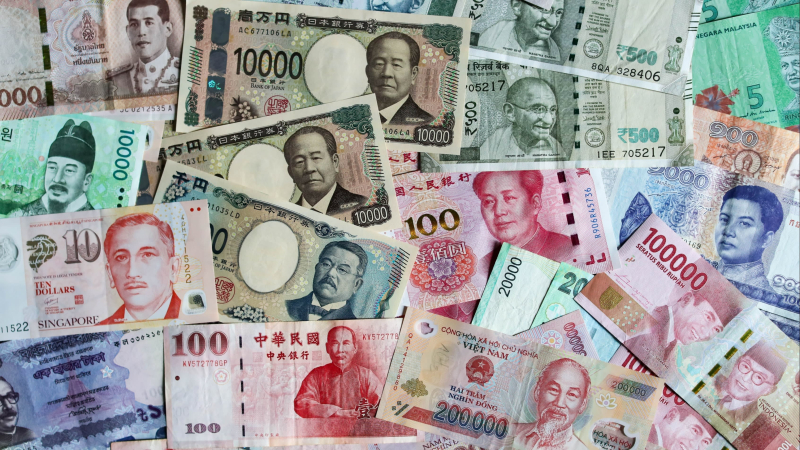
DBS pointed to persistently low funding costs across several Asian currencies, arguing that they offer a cost efficient hedge against dollar exposure. Short term borrowing benchmarks in the region remain well below U.S. funding rates, creating opportunities for investors to diversify currency risk without significantly raising financing costs. The bank also suggested that several Asian exchange rates appear undervalued relative to fundamentals, offering potential upside if global capital reallocates or regional growth stabilizes. This combination of low carry costs and valuation support makes Asia a compelling consideration for portfolio hedging rather than a directional bet.
The remarks reflect a wider shift among global banks toward encouraging more active currency management as volatility becomes a structural feature of markets rather than a temporary phase. With interest rate paths diverging across regions and political risk feeding directly into foreign exchange pricing, static exposure to any single currency carries increasing risk. DBS emphasized that hedging does not imply abandoning the dollar, but rather mitigating the impact of sharp moves that could affect returns, liquidity, or funding conditions during periods of stress.
Looking ahead, the bank expects market swings to persist through 2026 as global trade, geopolitics, and monetary frameworks continue to evolve. Currency markets are likely to remain sensitive to shifts in policy credibility and growth expectations, reinforcing the need for flexible strategies. For investors, the guidance underscores a pragmatic approach: maintaining dollar exposure where necessary, while selectively using low cost Asian currencies to manage volatility and improve overall portfolio resilience in an increasingly fragmented global financial environment.