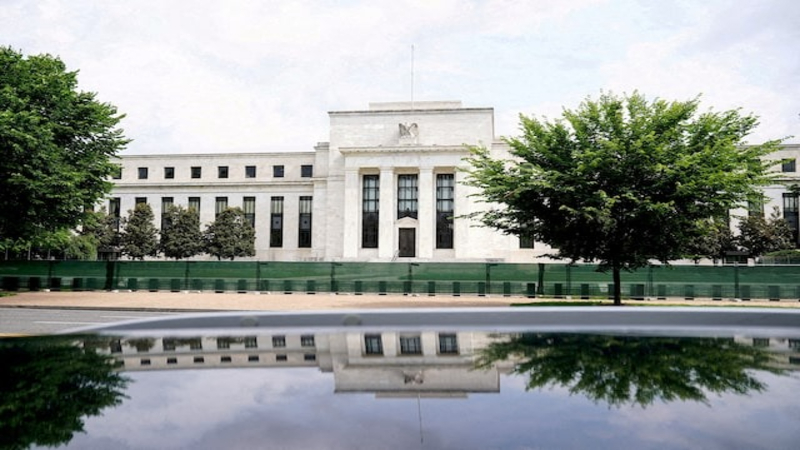
Major U.S. banks are pushing back expectations for Federal Reserve rate cuts as recent data reshapes views on the resilience of the American labor market and the pace of disinflation. Forecasts now increasingly suggest that policy easing will come later than previously anticipated, with some institutions arguing that the next meaningful move could even be a rate hike further out. The reassessment follows employment data showing slower job growth alongside steady wage gains and a lower unemployment rate, signaling that economic conditions remain firm enough to justify a cautious stance. For markets, the shift highlights growing confidence that borrowing costs will stay elevated for longer, reinforcing the idea that the tightening cycle has ended but that normalization will be gradual rather than swift.
Several banks have adjusted their projections to reflect a longer pause in policy action. Expectations for near term cuts have been withdrawn, replaced by forecasts that place easing in the second half of 2026 or beyond. Some analysts now see the possibility that the next adjustment after the current holding pattern could be upward, reflecting concerns that labor market tightness and persistent price pressures may limit the scope for rapid accommodation. Traders have responded by sharply increasing the probability that rates will remain unchanged at the upcoming policy meeting, underscoring how quickly sentiment has shifted following the latest data releases.
Underlying these revisions is the view that while job creation has slowed, the broader employment backdrop remains stable. Wage growth continues to provide households with income support, reducing the urgency for the central bank to intervene. Inflation progress is expected to be slow, reinforcing arguments that policy makers will prioritize durability over speed in returning rates to neutral levels. Some institutions have also lowered recession probabilities, pointing to improved balance sheets and steady consumption as buffers against downturn risks. This has encouraged a reassessment of how long restrictive policy needs to stay in place.
The evolving outlook comes amid heightened sensitivity around the Federal Reserve’s independence, adding another layer of complexity to market expectations. While forecasts are grounded in economic data, investors remain alert to the broader political backdrop and its potential influence on policy credibility. For now, the dominant signal from banks and markets is one of patience. The recalibration of rate expectations suggests that the era of quick pivots is fading, replaced by a longer period where stability and credibility matter more than rapid adjustments in response to short term fluctuations.