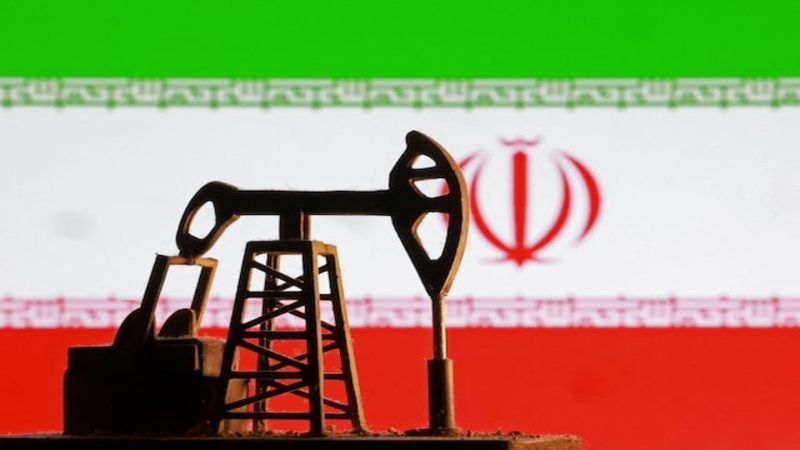
Iran has accumulated an unprecedented volume of crude oil and condensate in floating storage, underscoring mounting strain on its energy exports as geopolitical pressure and sanctions continue to reshape trade flows. Data from shipping trackers show that oil stored on tankers at sea has climbed to the equivalent of roughly fifty days of national output, marking the highest level recorded in nearly a decade. The buildup reflects a combination of weaker buying interest, logistical bottlenecks, and strategic caution as Tehran navigates heightened regional and political risk. For oil markets, the development highlights how supply can remain technically available while being effectively sidelined from global circulation, complicating assessments of true market balance.
A key factor behind the surge has been a slowdown in Chinese purchases, historically Iran’s largest outlet for sanctioned barrels. Refiners in China have faced quota constraints and elevated inventories, limiting their appetite for additional crude late last year. Rather than curtail production sharply, Iran has opted to keep pumping and store volumes offshore, preserving output capacity while awaiting more favorable conditions. This approach allows Tehran to avoid damage to reservoirs and maintain operational continuity, but it also ties up large quantities of oil that cannot be easily monetized. The strategy illustrates how sanctioned producers adapt by using floating storage as a buffer against demand shocks.
Geopolitical considerations have also played a central role in the decision to hold oil at sea. With internal unrest intensifying and external pressure rising, Iran has sought to move barrels away from the Persian Gulf to reduce exposure to potential disruption. A significant share of the stored oil is positioned near major Asian trading hubs, reflecting efforts to keep supply mobile and closer to eventual buyers. However, difficulties in unloading cargoes and increased scrutiny of shipping activity have slowed turnover, contributing to the swelling inventories. These constraints have pushed floating storage to levels that rival some of the largest seen during previous sanction episodes.
For global energy markets, Iran’s growing oil stockpile represents latent supply that could reenter trade flows if conditions shift, but its near term impact remains muted. As long as sanctions and geopolitical risks persist, much of this oil will remain stranded, limiting its influence on prices despite headline volumes. The situation adds another layer of uncertainty to an already complex supply landscape, where geopolitical events can quickly alter availability. The buildup at sea underscores how politics, logistics, and demand dynamics intersect, shaping oil flows in ways that go beyond simple production figures.