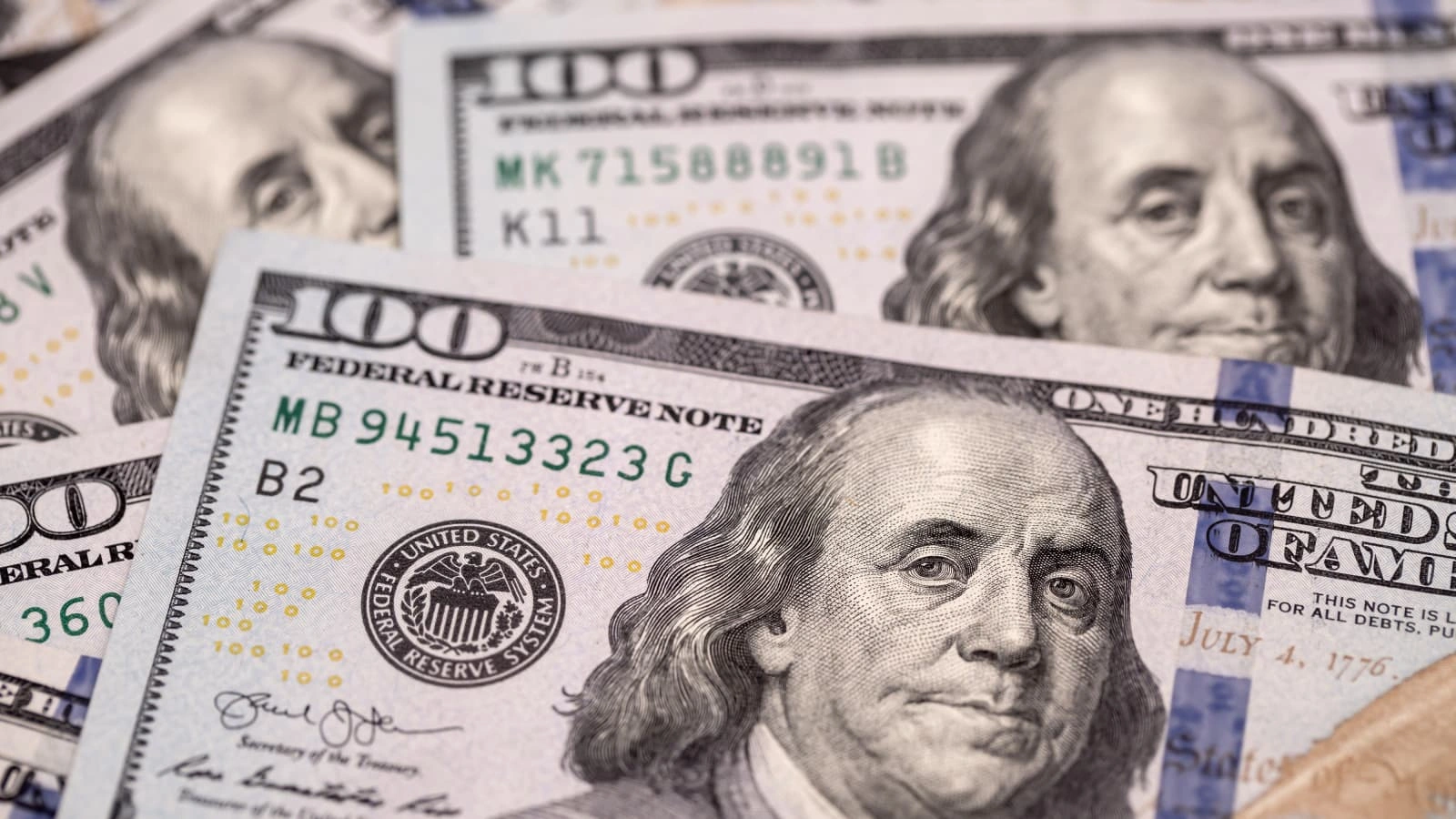
The U.S. dollar weakened as investors reacted to escalating pressure on the Federal Reserve, triggering renewed concern over the long term credibility of U.S. monetary policy. The move followed confirmation that the Justice Department issued subpoenas linked to Federal Reserve Chair Jerome Powell, a development markets interpreted as a direct challenge to central bank independence. Currency traders moved quickly to unwind recent dollar gains, reassessing the greenback’s role as a safe haven amid rising institutional uncertainty. The pullback reflected a broader repricing of political risk, with confidence in policy insulation emerging as a key driver of foreign exchange flows. For markets, the issue extended beyond legal questions to whether future rate decisions could face political interference.
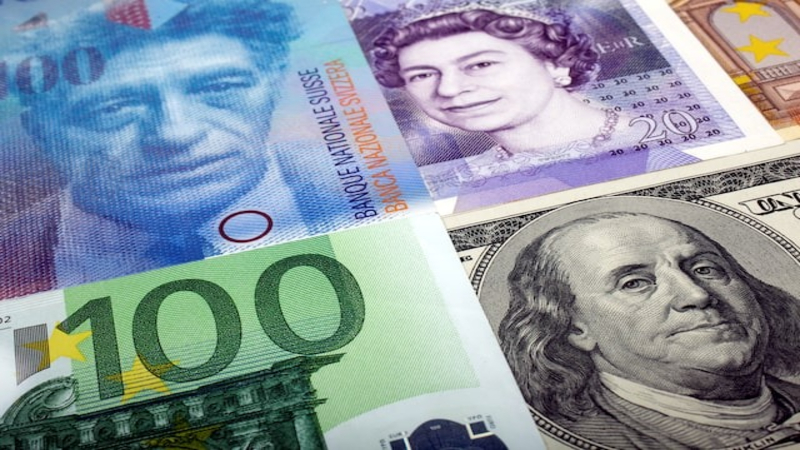
The dollar’s decline was most pronounced against major European currencies and the Swiss franc, which benefited from renewed demand for perceived stability. The euro advanced as investors shifted away from U.S. assets, while the franc emerged as a top performer amid the flight from political risk. Analysts noted that the legal pressure on the Fed chair effectively erased the dollar’s early year momentum, overwhelming supportive factors such as recent strength in U.S. economic data. The episode highlighted how quickly currency sentiment can turn when institutional norms are called into question, especially for a reserve currency that relies heavily on trust and predictability rather than yield alone.
Markets are now factoring in a higher probability that leadership at the Federal Reserve could change direction later this year. Powell’s term as chair is set to end in May, and speculation around a more dovish successor has added another layer of uncertainty to the dollar outlook. While expectations remain that rates will stay on hold in the near term, traders are increasingly sensitive to signals that longer term policy could tilt toward political priorities. That perception has weighed on the dollar index despite continued geopolitical tensions that had previously supported safe haven demand.
Elsewhere, the dollar showed relative resilience against the Japanese yen, supported by weak wage growth in Japan and reduced expectations for near term policy normalization. Still, the broader tone remained defensive as investors awaited key inflation data and potential legal rulings tied to U.S. trade policy. The currency market response underscored a central theme now shaping global pricing: confidence in institutional independence matters as much as economic fundamentals. For the dollar, preserving credibility remains critical as markets recalibrate risk across currencies.