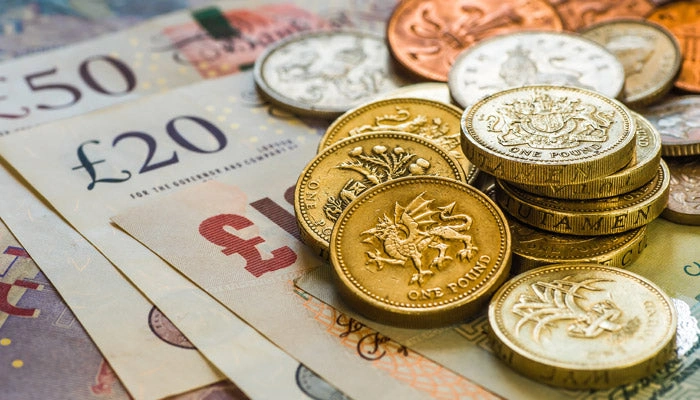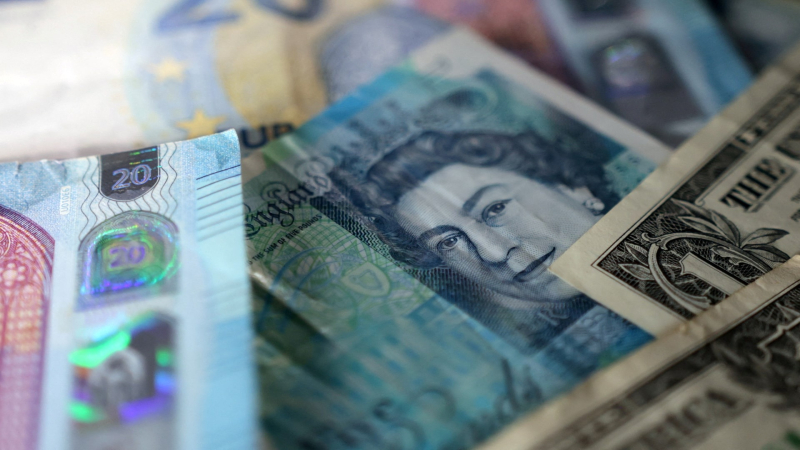
Sterling strengthened against the U.S. dollar as currency markets reacted to rising uncertainty around U.S. monetary governance, prompting investors to reassess the dollar’s traditional safe haven role. The move came as broader pressure weighed on the greenback, allowing several major currencies to recover ground. For sterling, the rally marked a rebound from recent lows and reflected a partial unwinding of risk premiums that had built up in prior weeks. Currency traders pointed to shifting perceptions of institutional stability as a key driver, with political developments in the United States spilling into foreign exchange markets. The adjustment highlighted how confidence in policy frameworks can influence capital flows as much as economic data, particularly when volatility increases across global markets.
Against the euro, however, sterling remained largely flat, underscoring diverging forces at work within European currency pairs. Analysts noted that while the pound benefited from dollar weakness, relative yield dynamics between the United Kingdom and the euro area continue to limit upside against the single currency. Narrowing interest rate differentials have gradually reduced support for sterling in that pairing, even as short term positioning fluctuates. The recent stabilization follows a period of adjustment after the UK’s autumn budget, which had helped calm fiscal concerns and improve sentiment toward British assets. Still, markets remain cautious about extrapolating recent moves, with traders watching whether the latest repricing reflects a durable shift or a temporary reaction to external shocks.
Strategists have suggested that much of the pound’s risk premium has already been priced out, leaving it more sensitive to incoming domestic data. Attention is turning to upcoming UK growth and labor market figures, which are expected to shape expectations around the Bank of England’s policy trajectory. Clearer signals on economic momentum could either reinforce recent gains or reintroduce pressure if growth disappoints. At the same time, political undercurrents remain part of the currency narrative. Lingering speculation about future leadership dynamics and fiscal direction continues to influence longer term assessments of UK assets, even if near term volatility has eased.
More broadly, the session underscored how foreign exchange markets are responding to shifts in global confidence rather than isolated national factors. The dollar’s pullback allowed other currencies to regain footing, but the sustainability of those moves will depend on how policy uncertainty evolves. For sterling, the balance between improved domestic stability and external forces remains delicate. As markets recalibrate expectations, currency performance is increasingly tied to perceptions of credibility and predictability across major economies, reinforcing the importance of institutional trust in shaping exchange rate trends.