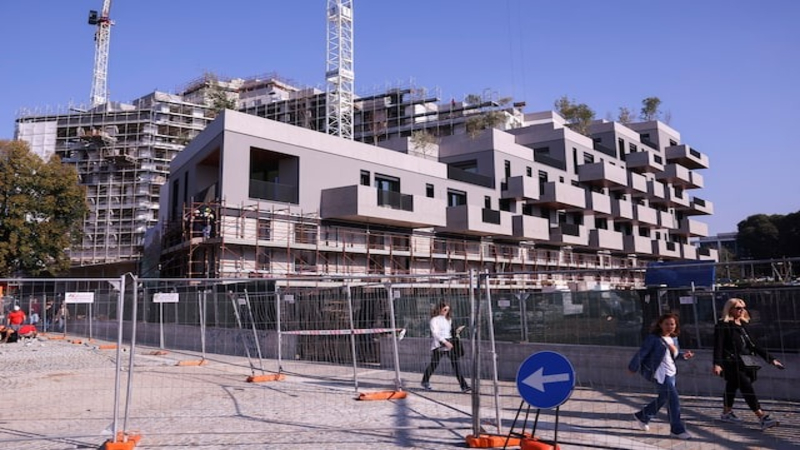
Investor appetite for Italian real estate remains resilient despite the fallout from a corruption scandal that disrupted development activity in Milan, the country’s largest property market. Market participants increasingly view the episode as a regulatory reset rather than a structural setback, with tighter oversight reducing uncertainty around building rules. Forecasts point to Italy outperforming other major European property markets in 2026, supported by steady transaction growth and renewed confidence in governance. Political stability has helped reinforce that outlook, encouraging long term investors to look past short term disruptions. Residential assets continue to dominate activity, reflecting persistent demand in urban centers and limited alternatives offering comparable yield and stability within Europe’s slower growth environment.
The Milan investigation initially raised fears of capital flight after dozens of projects were frozen amid judicial scrutiny of fast tracked building permits. Those concerns have largely faded as investors adjusted expectations and incorporated stricter due diligence into acquisition processes. Rather than exiting the market, many institutional players increased scrutiny while maintaining exposure, signaling confidence that clearer regulatory interpretation ultimately benefits valuations. The clean up has imposed higher compliance costs and longer timelines, but it has also reduced ambiguity that previously complicated large scale developments. For global investors, predictability now outweighs speed, particularly in markets where long term income and capital preservation matter more than rapid turnover.
Italy’s broader macro backdrop has also improved relative to peers, reinforcing the appeal of its property market. Narrower spreads between Italian and German government bonds, improved ratings outlooks, and stronger equity market performance have lowered perceived country risk. Milan has continued to attract wealthy foreign residents drawn by favorable tax arrangements and lifestyle factors, supporting demand for high end residential and mixed use assets. While economic growth remains modest, international events and infrastructure spending have helped sustain investment interest. These dynamics have positioned Italy as a stable destination for capital at a time when investors are selective about European exposure.
Supply constraints remain the main risk to the outlook. New construction has lagged demand, with a shrinking share of transactions involving newly built homes. Smaller residential developments that typically replenish housing stock have slowed as developers navigate tougher regulatory engagement with local authorities. While total real estate investment is expected to rise modestly, limited new supply could cap growth over the medium term. The market is expanding, but the pace of urban regeneration has eased following the investigations, creating a tighter pipeline of future projects. How quickly developers and municipalities adapt will shape Italy’s ability to sustain momentum beyond the current cycle.