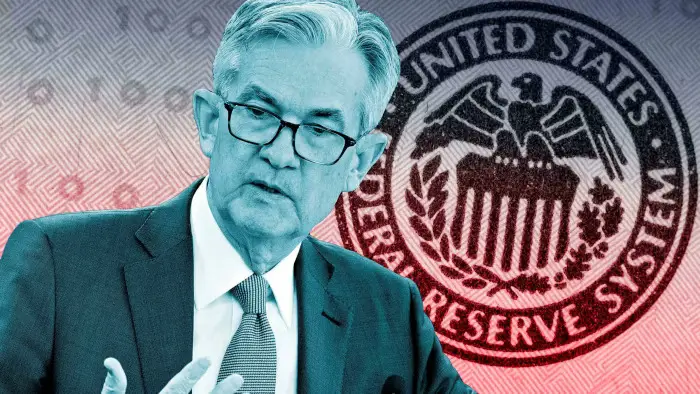
New York, September 15, 2025 – Few periods in recent monetary history illustrate the link between Federal Reserve policy and the U.S. dollar as clearly as the 2018–2019 cycle. A year of aggressive rate hikes gave the dollar its strongest run in nearly two years, only to be followed by an abrupt pivot toward rate cuts that reversed much of those gains. The episode remains a touchstone for traders assessing how quickly sentiment toward the greenback can shift when the Fed changes course.
2018: The Year of Aggressive Tightening
In 2018, the Federal Reserve under Chair Jerome Powell was firmly in tightening mode. After years of post-crisis accommodation, the U.S. economy appeared robust. Growth was strong, unemployment fell below 4% — its lowest level in decades — and inflation inched toward the Fed’s 2% target.
Against this backdrop, the Fed raised interest rates four times in 2018, bringing the federal funds rate to a range of 2.25%–2.50% by December. The hikes were accompanied by the ongoing reduction of the Fed’s balance sheet, a double dose of monetary tightening.
Markets took notice. The U.S. Dollar Index (DXY) surged nearly 8% between April and December 2018, reflecting the widening interest rate differential between the U.S. and other major economies. The European Central Bank (ECB) and the Bank of Japan (BOJ) remained in ultra-loose mode, keeping yields suppressed. For global investors, U.S. assets became the clear destination.
Emerging markets, meanwhile, faced the brunt of dollar strength. Currencies such as the Turkish lira, Argentine peso, and South African rand plunged, hit by capital outflows and rising debt-servicing costs on dollar-denominated borrowings.
Cracks in the Rally: Late 2018 Stress
Despite the dollar’s strength, by late 2018 signs of strain were emerging. Global equity markets sold off sharply in the fourth quarter, with the S&P 500 posting its worst December since the financial crisis. Investors began to worry that the Fed’s tightening path was too aggressive, especially as U.S.-China trade tensions escalated.
The December 2018 Fed meeting marked a critical inflection point. The central bank hiked rates once more but signaled fewer hikes ahead. Powell’s comments about policy being on “autopilot” rattled markets further, suggesting the Fed might be tightening without fully accounting for financial conditions. The dollar peaked but failed to extend gains.
2019: The Fed Pivot
In January 2019, Powell reversed tone. Declaring the Fed would be “patient” on future hikes, he effectively signaled the end of the tightening cycle. By mid-year, that patience had morphed into action.
Between July and October 2019, the Fed delivered three 25-basis-point rate cuts, the first easing cycle since 2008. Policymakers framed the move as “insurance cuts” against downside risks: slowing global growth, trade uncertainty, and persistently low inflation.
This marked a dramatic policy shift. Within a year, the Fed had gone from projecting multiple hikes to trimming rates, acknowledging the fragility of the global outlook.
The Dollar’s Response
The pivot had immediate consequences for the U.S. dollar.
- Against majors: The dollar, which had peaked near 98 on the DXY in late 2018, slipped through 2019 as lower yields eroded its relative advantage. The Japanese yen and Swiss franc gained ground as investors rebalanced toward safe-haven currencies.
- Emerging markets: Relief spread through EM assets. Countries battered in 2018 saw inflows return, as lower U.S. yields reduced pressure on capital outflows.
- Commodities: Gold rallied more than 18% in 2019, reflecting both reduced dollar strength and the global shift toward looser monetary conditions.
Still, the dollar did not collapse. While it lost upward momentum, demand for the greenback remained supported by lingering global uncertainty, underscoring its dual role as both a yield play and a safe-haven asset.
Lessons for Traders
The 2018–2019 cycle highlighted three key dynamics for currency markets:
- Interest Rate Differentials Drive Flows – The dollar’s strength in 2018 was tied directly to Fed hikes and yield spreads.
- Forward Guidance Matters – Powell’s shift from hawkish to dovish rhetoric moved markets even before the first rate cut.
- The Dollar’s Dual Role – Even during a pivot, the dollar retained demand as a global safe haven, moderating its downside.
Broader Implications
Analysts argue the pivot offered a valuable cushion ahead of the turbulence of 2020. “The Fed’s rapid shift in 2019 prevented an extended global downturn,” said one New York–based economist. “It also reminded markets that the dollar responds as much to Fed signaling as to actual policy moves.”
For global investors, the episode remains a textbook case study. Dollar rallies, often fueled by aggressive Fed tightening, can reverse quickly when growth risks force the Fed to cut. That volatility underscores why traders track every word of Fed communication.
Conclusion
From a strong 2018 rally to a 2019 reversal, the dollar’s trajectory mirrored the Fed’s policy evolution. The hikes drew capital in, the pivot pushed it out, and the cycle left an enduring lesson: in the currency markets, the Federal Reserve remains the ultimate driver of the greenback’s fate.