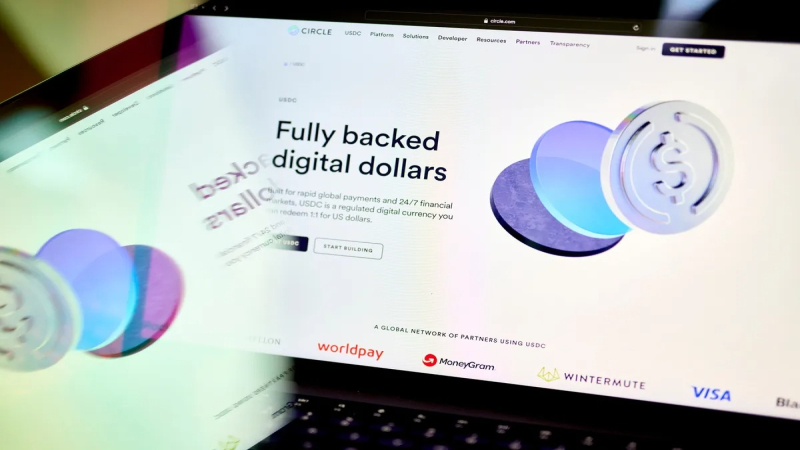
Stablecoin transaction activity reached a new record in 2025, underscoring how digital dollar instruments are becoming embedded in global payment and settlement flows. Total volumes climbed sharply over the year, reflecting growing use of blockchain based dollars for trading, transfers, and liquidity management across borders. The surge highlights a shift in how dollar exposure is accessed, with stablecoins increasingly functioning as an alternative rail rather than a niche crypto product. Market participants view the growth as structural, driven by efficiency gains, faster settlement, and broader acceptance across centralized and decentralized platforms. While volatility remains a feature of the wider crypto ecosystem, stablecoins have benefited from their utility focused role, allowing users to move value without direct exposure to price swings.
Dollar backed tokens dominated activity, with usage concentrated in a small number of large issuers that now rival traditional payment networks in scale. The concentration reflects trust dynamics, liquidity depth, and regulatory clarity around certain issuers, which has encouraged institutional and cross border adoption. Stablecoins are increasingly used for exchange settlement, remittances, and as collateral within digital financial markets. This has reinforced their position as a bridge between traditional finance and on chain activity. For global markets, the rise in transaction volumes signals that demand for dollar liquidity remains strong, even as it migrates into new technological formats. The trend also suggests that digital dollars are complementing rather than displacing existing payment systems, extending the dollar’s reach into new use cases.
Policy conditions have played a role in shaping adoption. A more accommodating regulatory tone toward digital assets has reduced uncertainty for issuers and users, supporting infrastructure investment and broader participation. Clarity around compliance and reserve backing has been particularly important in sustaining confidence at scale. As a result, stablecoins have moved beyond speculative trading into everyday financial plumbing for parts of the global economy. This evolution has implications for capital flows, as on chain dollars can circulate rapidly across jurisdictions without the friction associated with traditional correspondent banking. For emerging markets and high inflation environments, access to stable digital dollars has become an increasingly attractive alternative for preserving value and facilitating trade.
From a macro perspective, the expansion of stablecoin usage reinforces the dollar’s dominance rather than undermining it. Transaction growth reflects demand for dollar denominated settlement in a fragmented global system, where speed and accessibility matter as much as yield. While debates around regulation and financial stability continue, the scale of activity suggests stablecoins are now a permanent feature of the monetary landscape. For policymakers and market participants, the key question is how this parallel dollar infrastructure interacts with banks, payment networks, and central bank frameworks. What is clear is that stablecoins are no longer peripheral. They are emerging as a meaningful layer in global dollar circulation, with volumes that command attention alongside traditional financial channels.