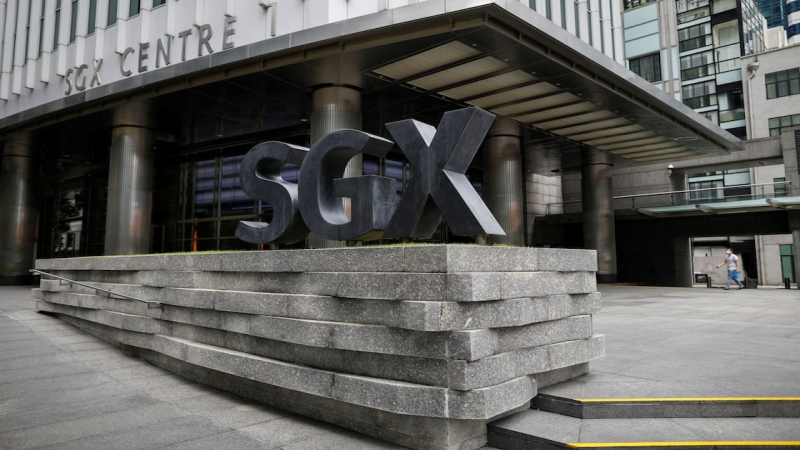
Singapore is moving to reposition itself in global capital markets with a new fast track dual listing framework linking the Singapore Exchange with Nasdaq, an initiative that has drawn early interest from issuers but faces structural limits. The proposed structure allows eligible companies to list simultaneously in Singapore and the United States using a single prospectus, reducing regulatory friction and lowering costs associated with cross border listings. The initiative is scheduled to launch by mid 2026 and is part of a broader strategy to reinvigorate Singapore’s equity market after years of subdued IPO activity. Policymakers are aiming to attract Southeast Asian growth firms while also restoring international relevance in an increasingly competitive regional listings landscape dominated by deeper liquidity pools elsewhere.
The plan has been welcomed by several technology and growth focused firms that see strategic value in accessing US capital while retaining a regional base. Executives point to reduced regulatory complexity as the main appeal, particularly the ability to engage with a single coordinated review process instead of navigating parallel approval systems. For companies seeking international visibility and a broader investor base, the Nasdaq connection adds brand recognition that Singapore alone has struggled to provide in recent years. The initiative also aligns with government efforts including tax incentives and market support measures introduced over the past year to encourage listings. These steps have helped lift IPO proceeds to their highest level since 2017, though the gap with regional rivals remains wide.
Despite the positive reception, bankers and advisers caution that strict eligibility criteria could sharply limit participation. The dual listing framework requires companies to meet a market value threshold of at least S$2 billion, a level that only a small number of Southeast Asian technology firms currently satisfy. While the threshold is designed to ensure quality and support trading depth, it narrows the pool of potential issuers and excludes earlier stage growth companies. Market participants estimate that fewer than a dozen regional firms currently qualify, with only a handful close to meeting the requirement. This raises questions about whether deal flow will be sufficient to generate momentum in the early stages of the program.
Liquidity remains another key challenge. Singapore’s equity market has long been characterized by relatively thin trading volumes compared with other Asian financial centers, limiting its appeal to global investors. Average daily turnover remains a fraction of that seen in competing hubs, and bankers note that sustained liquidity is essential for any dual listing structure to succeed. Authorities have taken steps to address this by backing funds aimed at supporting small and mid cap equities, but confidence will depend on execution rather than policy intent alone. Analysts argue that the success of the Nasdaq link will hinge on early listings, visible trading activity, and potential future adjustments to listing thresholds. Without these, the initiative may serve more as a symbolic signal than a transformational shift.