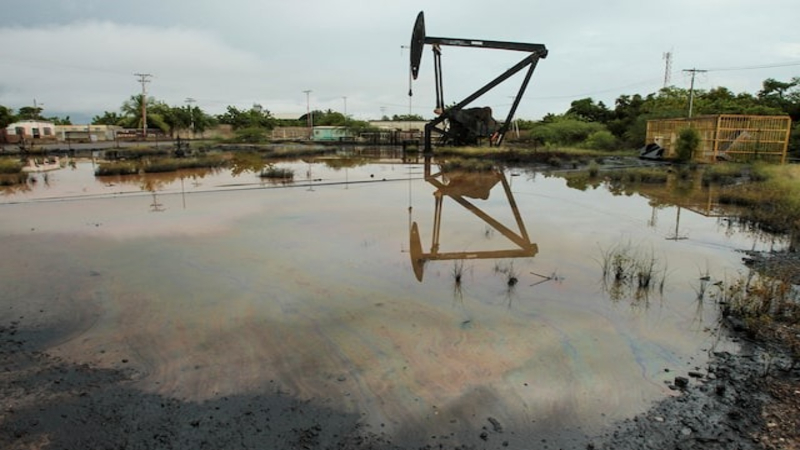
Oil prices drifted lower as markets absorbed fresh signals pointing to increased supply flows into the global system. Traders focused on statements indicating that Venezuelan crude could be redirected toward the United States, adding to a market already grappling with expectations of ample supply in the months ahead. The prospect of additional barrels entering the world’s largest consuming market weighed on sentiment, even as prices recovered slightly from earlier lows. Investors appeared cautious rather than alarmed, reassessing balances rather than reacting to a single headline. The move reflected a broader recalibration as geopolitical developments intersect with a supply landscape that has grown more flexible, limiting upside momentum for crude prices despite ongoing political risk.
The potential redirection of Venezuelan oil introduced a new variable into an already complex supply picture. Cargoes previously bound for other destinations may now flow toward the United States, increasing availability without materially tightening logistics. While the absolute volumes involved remain modest relative to global demand, the signaling effect has been more impactful than the barrels themselves. Markets interpreted the development as reinforcing expectations that supply growth will outpace demand growth in the near term. With inventories ample and spare capacity available across several producers, traders have become more sensitive to marginal increases in supply. This sensitivity has capped price recoveries and reinforced a more defensive trading posture.
Geopolitical risk continued to hover in the background, but it failed to offset concerns about oversupply. Tensions surrounding enforcement actions at sea and shifting alliances added uncertainty, yet markets appeared more focused on fundamentals than escalation scenarios. Analysts have increasingly pointed to the likelihood of a supply surplus emerging as production expands while consumption growth remains uneven. Expectations of higher output from both OPEC and non-OPEC producers have compounded this view, reinforcing the sense that the market is well supplied. Against this backdrop, crude prices have struggled to regain traction, even as volatility persists.
Looking ahead, attention is turning toward how sustained changes in Venezuelan exports could influence longer term investment decisions. Cheaper crude entering global markets may discourage capacity expansion elsewhere, reshaping supply dynamics beyond the immediate horizon. For now, pricing reflects a balance between geopolitical uncertainty and a growing belief that supply will remain sufficient. The latest price action suggests that traders are prioritizing structural trends over episodic risk, positioning oil markets for a period of consolidation rather than renewed upward momentum.