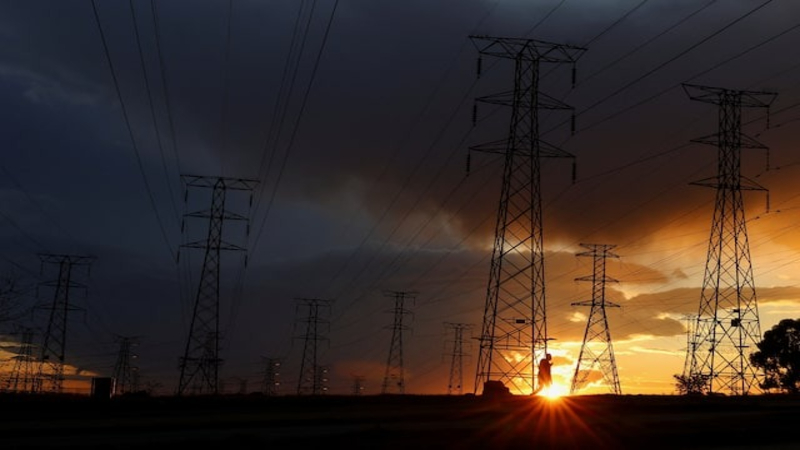
South Africa has adjusted its competition framework to give struggling industries more flexibility as power costs continue to weigh heavily on manufacturing and mining. The policy shift allows firms facing extreme electricity expenses to cooperate on energy solutions rather than compete in isolation. For years, rising tariffs and unstable supply have eroded the competitiveness of energy intensive sectors, forcing closures and job losses. The updated rules signal a more pragmatic stance by authorities, acknowledging that rigid competition laws may no longer be fit for an economy under infrastructure strain. By enabling collaboration, policymakers aim to preserve industrial capacity while broader reforms to the power system remain ongoing. The move reflects an effort to stabilize production and employment rather than allow further erosion of the country’s industrial base.
Electricity pricing has become one of the most significant constraints on South African industry, with costs rising dramatically over the past decade. Smelters and metal producers have been particularly exposed, given their reliance on continuous and affordable power. As prices climbed, firms found it increasingly difficult to compete with global rivals operating in lower cost energy environments. The new measures allow companies to jointly develop alternative or backup energy sources and negotiate supply arrangements collectively. This approach is intended to lower unit costs and reduce vulnerability to supply disruptions. While not a full solution to the power crisis, the policy provides short term relief to industries operating on thin margins.
The economic implications extend beyond individual companies. South Africa’s position in global commodity processing has weakened as production shifted to regions with cheaper and more reliable electricity. Once dominant sectors have seen capacity mothballed, undermining export earnings and regional employment. Allowing collaboration on energy infrastructure could slow this decline by keeping existing operations viable. The change also suggests a recalibration of policy priorities, placing industrial survival ahead of strict market separation. Investors and manufacturers will be watching closely to see whether this flexibility translates into measurable cost relief and improved output stability.
The policy adjustment comes amid wider efforts to reform the energy sector and restore confidence in long term supply. While collaboration among firms may ease immediate pressure, sustainable recovery will depend on structural improvements in generation and transmission. The revised competition rules acknowledge the scale of the challenge and the need for interim solutions. For markets, the decision highlights how energy constraints are reshaping policy choices in emerging economies. South Africa’s response illustrates a growing willingness to adapt regulatory frameworks to economic realities, especially when infrastructure bottlenecks threaten industrial viability and broader growth prospects.